Create an account to receive alerts on new research
SaveShareAsk AI
Triglide
Depletes
Prolonged use of Triglide can impact 3 essential nutrients.
Vitamin E
Fenofibrate has been shown in studies to increase the toxic effect of ultraviolet (UV) radiation that may lead to side effects such as hives, itching, and skin rash. Taking vitamin E before UV exposure is found in research to significantly help block UV-fenofibrate effects on the skin. Vitamin E supplementation should be considered when taking this drug therapy.
Replace with Vitamin E (d-alpha-tocopherol and mixed tocopherols) (30 IU)
Research: Eberlein-Konig B, Placzek M, Przybilla B. Phototoxic lysis of erythrocytes from humans is reduced after oral intake of...
Vitamin B6
Research demonstrates that fibrates, particularly fenofibrate, are known to increase homocysteine levels. Elevated levels of homocysteine is associated with increased risk of a range of health problems including atherosclerosis, stroke, and neurological diseases, and vitamin Bs including vitamin B6 helps facilitate the breakdown of homocysteine and may be helpful in reducing homocysteine levels.
Replace with B6 Blend {Pyridoxine HCl + Pyridoxal -5-Phosphate (P5P) (5mg)
Research: Foucher C, Brugère L, Ansquer JC. Fenofibrate, homocysteine and renal function. Curr Vasc Pharmacol. 2010 Sep;8(5):589-603....
Vitamin C
Fenofibrate has been shown in studies to increase the toxic effect of ultraviolet (UV) radiation that may lead to side effects such as hives, itching, and skin rash. Taking vitamin C before UV exposure is found in research to significantly help block UV-fenofibrate effects on the skin. Vitamin C supplementation should be considered when taking this drug therapy.
Replace with Vitamin C (Asorbic Acid) (125 mg)
Research: Eberlein-Konig B, Placzek M, Przybilla B. Phototoxic lysis of erythrocytes from humans is reduced after oral intake of...
Health Impact
Triglide-induced nutrient depletion can lead to a range of health problems
Stroke & Heart Disease Risk
Low vitamin B6 status can promote accumulation of homocysteine, a sulfur‑containing amino acid that can damage the endothelium, increase oxidative stress, and promote clot formation, all of which are relevant to cardiovascular disease and stroke. Large observational studies and cross‑sectional analyses have shown that people with lower plasma pyridoxal‑5‑phosphate (active B6) levels have higher rates of stroke and other vascular events, and in some cohorts low B6 was a stronger predictor of stroke or transient ischemic attack than homocysteine itself. The encouraging finding from meta‑analyses and clinical trials is that B‑vitamin combinations including B6 can lower homocysteine and modestly reduce the combined risk of stroke, myocardial infarction, and vascular death in high‑risk patients, suggesting that maintaining adequate B6 is one useful piece of broader cardiovascular prevention
Research: Vanuzzo D, Pilotto L, Lombardi R, Lazzerini G, Carluccio M, Diviacco S, Quadrifoglio F, Danek G, Gregori D, Fioretti P,...
Memory Loss & Dementia
In the brain, vitamin B6 (pyridoxine) is needed to produce neurotransmitters and to keep homocysteine in check, so low B6 status has been linked to both depressed mood and subtle cognitive problems such as slower processing and poorer attention in some adults. Observational work in older populations suggests that lower blood levels or intakes of B6 tend to track with worse performance on memory, executive‑function, and psychomotor‑speed tests, raising concern that marginal B6 status may contribute to age‑related cognitive decline. Clinically, when B6 deficiency coexists with depression, correcting it is viewed as one modifiable factor that may help support clearer thinking and better cognitive function alongside standard psychiatric and lifestyle treatments.
Research: Palacios N, Scott T, Sahasrabudhe N, Gao X, Tucker KL. Lower Plasma Vitamin B-6 is Associated with 2-Year Cognitive Decline...
Vision Loss & Eye Damage
In both children and adults, vitamin E deficiency can contribute to retinopathy and visual impairment because α‑tocopherol serves as a key fat‑soluble antioxidant that protects photoreceptor cells and retinal membranes from cumulative oxidative damage. Clinical reports describe patients with prolonged low vitamin E status developing pigmentary retinopathy, reduced visual acuity, and abnormal electroretinograms, sometimes alongside peripheral neuropathy, which can improve partially when deficiency is identified and corrected. These neurosensory changes appear more frequently in settings of fat malabsorption or genetic disorders affecting vitamin E transport, highlighting the importance of monitoring vitamin E status in at‑risk groups with otherwise unexplained visual decline.
Research: Runge P, Muller DP, McAllister J, Calver D, Lloyd JK, Taylor D. Oral vitamin E supplements can prevent the retinopathy of...
Seizures & Brain Symptoms
In the nervous system, vitamin B6 is essential for making the inhibitory neurotransmitter GABA, so significant deficiency can lower seizure threshold and lead to seizures or encephalopathy, particularly in infants but occasionally in adults. Classic pyridoxine‑dependent or B6‑responsive seizure syndromes in infants often present with refractory seizures that improve dramatically after B6 or pyridoxal‑5‑phosphate is given, highlighting how crucial this pathway is for brain stability. Clinically, this means that in patients, especially infants, with otherwise unexplained or treatment‑resistant seizures or encephalopathy, assessing and correcting B6 status is a low‑risk, potentially lifesaving step that should be considered early.
Research: Sousou JM, Griffith EM, Marsalisi C, Reddy P. Pyridoxine Deficiency and Neurologic Dysfunction: An Unlikely Association....
Eye Bleeding & Vision Issues
Vitamin C deficiency weakens collagen in capillary and vascular walls, so severe scurvy can present with ocular hemorrhages in the conjunctiva and retina that threaten vision if not treated. Case reports and small series describe retinal hemorrhages, flame‑shaped hemorrhages, and even retrobulbar bleeding compressing the optic nerve, which can lead to optic neuropathy and visual loss in advanced cases. The encouraging point is that, when vitamin C deficiency is recognized early and promptly repleted, many ocular hemorrhages and visual symptoms can partially or fully resolve, making it critical to consider vitamin C status in patients with otherwise unexplained ocular bleeding and visual complaints.
Research: Errera MH, Dupas B, Man H, Gualino V, Gaudric A, Massin P. Une cause inhabituelle d'anomalies rétiniennes, hémorragies...
Lung & Breathing Problems
When vitamin C runs low, its impact isn’t just skin‑deep, it can also affect the heart and lungs, sometimes contributing to shortness of breath, fatigue, and fluid retention. Severe vitamin C deficiency has been reported as a reversible cause of pulmonary hypertension and right‑sided heart failure, with pressures in the lung circulation and cardiac strain improving after vitamin C is replaced. Broader cardiovascular research also links low vitamin C with higher blood pressure and stiffer arteries, while short‑term supplementation in some hypertensive or diabetic patients has lowered systolic blood pressure and improved arterial stiffness, suggesting that adequate vitamin C helps support healthier vascular tone and cardiac workload.
Research: Kurnick A, Zaveri S, Tadayoni A, Chandrakumar HP, John S. Reversible severe pulmonary hypertension and right heart failure...
Gradual Nerve & Balance Problems
Vitamin E deficiency can drive a progressive neurologic syndrome, including ataxia, sensory neuropathy, and myelopathy, because α‑tocopherol is a critical fat‑soluble antioxidant that protects neuronal membranes and prevents peroxidation of polyunsaturated fatty acids under oxidative stress. In both children with chronic cholestatic liver disease and adults without obvious fat malabsorption, low vitamin E status has been linked to characteristic large‑fiber sensory axonopathy and other degenerative changes, illustrating that unrecognized deficiency can present with strikingly “neurologic‑first” symptoms. When vitamin E deficiency is identified early, appropriately dosed, bioavailable α‑tocopherol supplementation can stabilize or partially reverse neurologic findings in some patients, underscoring the importance of screening at‑risk groups and not dismissing isolated ataxia or neuropathy as purely genetic or idiopathic.
Research: Sokol RJ, Butler-Simon N, Conner C, Heubi JE, Sinatra FR, Suchy FJ, Heyman MB, Perrault J, Rothbaum RJ, Levy J, et al....
Side Effects
Common side effects of Triglide, some of which may be related to nutrient depletion
Review
Some common side effects of Triglide (fenofibrate), a medication used to lower cholesterol levels, include:
1. Nausea or stomach upset
2. Indigestion
3. Diarrhea
4. Headache
5. Dizziness
6. Muscle pain or weakness
7. Skin rash or itching
8. Changes in taste
More serious side effects that may require medical attention include:
1. Severe abdominal pain
2. Yellowing of the skin or eyes (jaundice)
3. Unexplained muscle pain, tenderness, or weakness
4. Difficulty breathing or swallowing
5. Chest pain
6. Swelling of the face, lips, or throat
It's important to talk to your doctor if you experience any side effects while taking Triglide.
1. Nausea or stomach upset
2. Indigestion
3. Diarrhea
4. Headache
5. Dizziness
6. Muscle pain or weakness
7. Skin rash or itching
8. Changes in taste
More serious side effects that may require medical attention include:
1. Severe abdominal pain
2. Yellowing of the skin or eyes (jaundice)
3. Unexplained muscle pain, tenderness, or weakness
4. Difficulty breathing or swallowing
5. Chest pain
6. Swelling of the face, lips, or throat
It's important to talk to your doctor if you experience any side effects while taking Triglide.
Get Support
We've curated a list of vetted, recommended individual nutrient third-party supplements.
Shop Third-Party Supplements

Vitamin E (d-alpha tocopherol) 33 mg; mixed tocopherols 6.6mg (providing d-gamma, d-delta and d-beta tocopherols)
by Life Extension
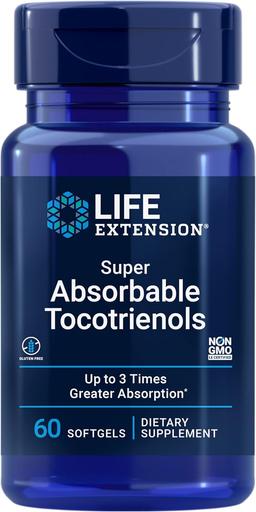
The Vitamin E supplement by Life Extension is designed to provide antioxidant support and promote overall health by delivering a potent blend of tocopherols and tocotrienols.
Strength: 50 IU
Buy now
Vitamin E (d-alpha tocopherol) 33 mg; mixed tocopherols 6.6mg (providing d-gamma, d-delta and d-beta tocopherols)
Expert Research
Recommended
Recommended

Vitamin B6 (50% Pyridoxine and 50% P-5-P)
by Pure Encapsulations
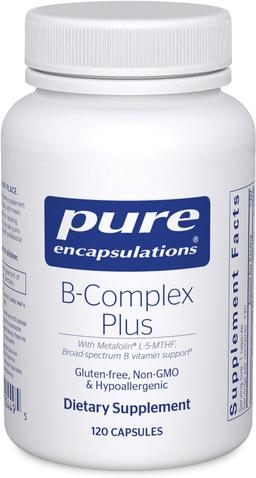
Pure Encapsulations' Vitamin B6 supplement provides a high-quality, hypoallergenic source of pyridoxine HCl to support various physiological functions, including amino acid metabolism and nervous system health.
Strength: 10 mg
Buy now
Vitamin B6 (50% Pyridoxine and 50% P-5-P)
Expert Research
Recommended
Recommended
Vitamin C (Ascorbic Acid)
by Pure Encapsulations
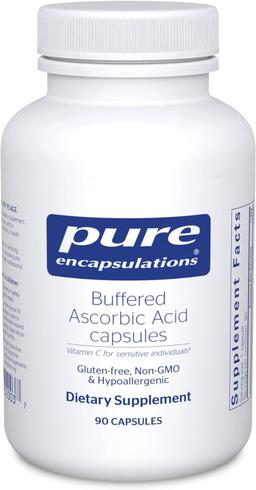
Pure Encapsulations' Vitamin C supplement is a high-quality, hypoallergenic product designed to support immune function, collagen production, and antioxidant protection.
Strength: 200 mcg
Buy now
Vitamin C (Ascorbic Acid)
Expert Research
Recommended
Recommended
Antidote is a free resource, supported among other sources by affiliate commissions for purchases made through links on our site. Read full disclaimer
Next Steps
Save this report and share it with your healthcare provider or a family member
Ask our expert AI assistant additional questions related to Triglide.