Create an account to receive alerts on new research
SaveShareAsk AI
Tramadol and Acetaminophen
Depletes
Prolonged use of Tramadol and Acetaminophen can impact 2 essential nutrients.
Vitamin C
Research suggests that taking Vitamin C alongside Acetaminophen might prolong the medication's presence in the bloodstream. This could potentially allow for lower Acetaminophen doses, thereby reducing the risk of side effects.
Replace with Vitamin C Ascorbic Acid (200 mg)
Research: Matić MM, Paunović MG, Milošević MD, Ognjanović BI, Saičić ZS. Hematoprotective effects and antioxidant properties of...
Also Benefits From:
Omega 3
Omega-3 fatty acids offer promise for managing pain associated with osteoarthritis (OA). Research suggests they may work by reducing inflammation, a key contributor to OA pain and stiffness. Studies involving over 2000 patients with OA showed that omega-3 supplementation significantly lessened joint pain compared to a placebo. This improvement was accompanied by increased joint function, suggesting omega-3s might help people with OA move more easily and comfortably.
Research: Kuszewski JC, Wong RHX, Howe PRC. Fish oil supplementation reduces osteoarthritis-specific pain in older adults with...
Health Impact
Tramadol and Acetaminophen-induced nutrient depletion can lead to a range of health problems
Eye Bleeding & Vision Issues
Vitamin C deficiency weakens collagen in capillary and vascular walls, so severe scurvy can present with ocular hemorrhages in the conjunctiva and retina that threaten vision if not treated. Case reports and small series describe retinal hemorrhages, flame‑shaped hemorrhages, and even retrobulbar bleeding compressing the optic nerve, which can lead to optic neuropathy and visual loss in advanced cases. The encouraging point is that, when vitamin C deficiency is recognized early and promptly repleted, many ocular hemorrhages and visual symptoms can partially or fully resolve, making it critical to consider vitamin C status in patients with otherwise unexplained ocular bleeding and visual complaints.
Research: Errera MH, Dupas B, Man H, Gualino V, Gaudric A, Massin P. Une cause inhabituelle d'anomalies rétiniennes, hémorragies...
Lung & Breathing Problems
When vitamin C runs low, its impact isn’t just skin‑deep, it can also affect the heart and lungs, sometimes contributing to shortness of breath, fatigue, and fluid retention. Severe vitamin C deficiency has been reported as a reversible cause of pulmonary hypertension and right‑sided heart failure, with pressures in the lung circulation and cardiac strain improving after vitamin C is replaced. Broader cardiovascular research also links low vitamin C with higher blood pressure and stiffer arteries, while short‑term supplementation in some hypertensive or diabetic patients has lowered systolic blood pressure and improved arterial stiffness, suggesting that adequate vitamin C helps support healthier vascular tone and cardiac workload.
Research: Kurnick A, Zaveri S, Tadayoni A, Chandrakumar HP, John S. Reversible severe pulmonary hypertension and right heart failure...
Weakened Immune System
Even a modest shortfall in vitamin C can leave the immune system less resilient, showing up as more frequent colds, flus, or lingering infections that are slow to clear. Vitamin C concentrates to very high levels inside neutrophils, where it helps fuel their oxidative burst, regulate antioxidant enzymes, and support normal cell survival, so low vitamin C can mean these “first‑responder” white blood cells do not work at full strength. Clinical trials are mixed but intriguing: in a substantial subset of studies, vitamin C supplementation improved neutrophil functions such as oxidative burst, antioxidant enzyme activity, and even reduced premature neutrophil cell death in very sick patients, suggesting that correcting low vitamin C may help the body respond more effectively when infections strike.
Research: Van Straten M, Josling P. Preventing the common cold with a vitamin C supplement: a double-blind, placebo-controlled survey....
Bleeding Gums & Slow Healing
Low or deficient vitamin C status can matter more than people realize because it can show up as everyday problems they already have, like bleeding gums when they brush or cuts and scrapes that seem slow to heal. Low vitamin C weakens collagen formation, making blood vessels in the gums and skin more fragile and increasing the risk of bleeding gums, easy bruising, and rough, dry skin. Clinical periodontal studies also show that ascorbic acid used alongside standard care can improve bleeding on probing, plaque and gingival indices, clinical attachment level, pocket depth, and gum aesthetics, supporting its role in healthier gums and more efficient healing of both oral tissues and skin.
Research: Murererehe J, Uwitonze AM, Nikuze P, Patel J and Razzaque MS (2022) Beneficial Effects of Vitamin C in Maintaining Optimal...
Joint & Bone Pain
When vitamin C intake is too low for too long, it can start to show up in the muscles and joints as deep, aching pain and stiffness rather than just “simple” fatigue. Vitamin C is essential for building and maintaining healthy collagen in cartilage, tendons, and bone, so deficiency can cause bone tenderness, joint pain, and, in children, impaired growth and skeletal deformities similar to rickets or scurvy. In more advanced cases, people may notice difficulty walking, painful swelling around joints, and slower recovery from everyday strains or minor injuries because the connective tissues simply cannot repair and mineralize properly without adequate vitamin C.
Research: Mangano KM, Noel SE, Dawson-Hughes B, Tucker KL. Sufficient Plasma Vitamin C Is Related to Greater Bone Mineral Density...
Easy Bruising & Skin Problems
Even a modest shortfall in vitamin C can quietly weaken collagen, which makes blood vessels and skin more fragile and sets the stage for easy bruising and rough, bumpy skin. Clinical descriptions of scurvy consistently report extensive bruising and the classic “follicular hyperkeratosis” pattern—dry, rough skin with hard plugs around hair follicles and tiny perifollicular hemorrhages—that clear rapidly once vitamin C is replaced. For someone who bruises at the slightest bump or notices persistent, goose‑bump–like roughness on the thighs or legs, it can be eye‑opening to learn that a simple vitamin C gap in their diet may be contributing—and that correcting it often leads to visible skin changes within weeks.
Research: Pasquali M, Still MJ, Vales T, Rosen RI, Evinger JD, Dembure PP, Longo N, Elsas LJ. Abnormal formation of collagen...
Poor Iron Absorption & Energy
Vitamin C shortfalls can matter more than people realize because they can quietly undermine iron status and contribute to microcytic, iron‑deficiency–type anemia. Vitamin C is one of the few nutrients that significantly boosts non‑heme iron absorption, helping convert dietary iron into a form the gut can take up more easily and counteracting common inhibitors found in grains, legumes, tea, and coffee. In people whose diets are low in both iron and vitamin C, this combination can show up as persistent fatigue, pallor, and microcytic red blood cells on lab work, with studies in iron‑depleted women showing that added ascorbic acid improved iron absorption and anemia markers over just a few weeks.
Research: Alhatem A, Cai D. Behind the Skin: A Rare Case of Scurvy-Associated Megaloblastic Anemia. Clin Med Insights Case Rep. 2019...
Side Effects
Common side effects of Tramadol and Acetaminophen, some of which may be related to nutrient depletion
Review
Common side effects of tramadol include:
- Nausea and vomiting
- Dizziness or lightheadedness
- Constipation
- Headache
- Drowsiness or fatigue
- Sweating
- Dry mouth
- Tremors or shaking
Rare but serious side effects of tramadol can include:
- Seizures
- Serotonin syndrome (when taken with other medications that affect serotonin levels)
- Low blood pressure
- Respiratory depression
- Allergic reactions such as itching, rash, or hives
Common side effects of acetaminophen include:
- Nausea and vomiting
- Upset stomach
- Rash or itching
Rare but serious side effects of acetaminophen can include:
- Severe skin reactions such as Stevens-Johnson Syndrome or toxic epidermal necrolysis
- Liver damage or failure (especially with high doses or in overdose situations)
It is important to talk to your healthcare provider about any side effects you experience while taking these medications.
- Nausea and vomiting
- Dizziness or lightheadedness
- Constipation
- Headache
- Drowsiness or fatigue
- Sweating
- Dry mouth
- Tremors or shaking
Rare but serious side effects of tramadol can include:
- Seizures
- Serotonin syndrome (when taken with other medications that affect serotonin levels)
- Low blood pressure
- Respiratory depression
- Allergic reactions such as itching, rash, or hives
Common side effects of acetaminophen include:
- Nausea and vomiting
- Upset stomach
- Rash or itching
Rare but serious side effects of acetaminophen can include:
- Severe skin reactions such as Stevens-Johnson Syndrome or toxic epidermal necrolysis
- Liver damage or failure (especially with high doses or in overdose situations)
It is important to talk to your healthcare provider about any side effects you experience while taking these medications.
Get Support
We've developed a formula to replenish the nutrients depleted by Tramadol and Acetaminophen.

Shop Third-Party Supplements

Vitamin C (Ascorbic Acid)
by Pure Encapsulations
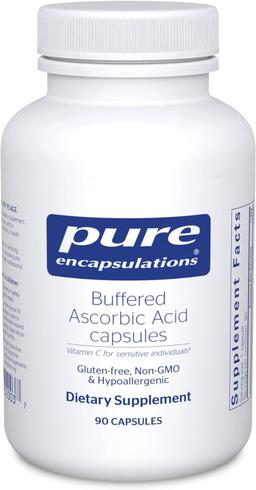
Pure Encapsulations' Vitamin C supplement is a high-quality, hypoallergenic product designed to support immune function, collagen production, and antioxidant protection.
Strength: 200 mcg
Buy now
Vitamin C (Ascorbic Acid)
Expert Research
Recommended
Recommended
Antidote is a free resource, supported among other sources by affiliate commissions for purchases made through links on our site. Read full disclaimer
Next Steps
Save this report and share it with your healthcare provider or a family member
Ask our expert AI assistant additional questions related to Tramadol and Acetaminophen.