Create an account to receive alerts on new research
SaveShareAsk AI
Tirzepatide
Depletes
Prolonged use of Tirzepatide can impact 13 essential nutrients.
Folic Acid
GLP 1 receptor agonists, used for both diabetes and weight management, can indirectly increase the risk of folate deficiency because they reduce overall food intake in a population that already tends to have low folate intake. Studies with potent incretin agonists show that when these drugs markedly suppress appetite and drive weight loss, blood folate levels can drop and then improve again when intake is restored, supporting a link between reduced intake and folate deficiency. In practice, this has prompted experts to emphasize monitoring folate status and diet quality in GLP 1 users, and many now recommend ensuring folate needs are met, often with folate or B complex supplement, for patients with low intake or anemia risk.
Replace with Folate (.2mg as L-5-Methylfolate) (0.34 DFE)
Research: Guérard M, Zeller A, Festag M, Schubert C, Singer T, Müller L. Genotoxicity testing of peptides: folate deprivation as a...
Vitamin B12
GLP‑1 receptor agonists, medications used for diabetes and weight management, can interfere with the absorption of vitamin B12, especially when they are used long term. Vitamin B12 is essential for healthy nerve function, red blood cell production, and normal hair growth, so deficiency may show up as fatigue, low mood, nerve issues, anemia, or increased hair shedding. Because of this, many clinicians recommend vitamin B12 supplementation alongside GLP‑1 therapy to help maintain overall health.
Replace with Vitamin B12 (as Methylcobalamin) (500 mcg)
Research: Urbina J, Salinas-Ruiz LE, Valenciano C, Clapp B. Micronutrient and Nutritional Deficiencies Associated With GLP-1 Receptor...
Zinc
GLP‑1 receptor agonists, used for diabetes and weight management, can increase the risk of zinc deficiency because they significantly reduce overall food intake in people who often start out with marginal zinc status. Observational data in GLP‑1 users show rising diagnoses of mineral deficiencies, including zinc, over the first year of therapy, consistent with lower intake and rapid weight loss. To help maintain immune function, wound healing, and normal taste and smell, many experts recommend emphasizing zinc‑rich foods and supplementation for patients with low intake, hair loss, or other deficiency signs.
Replace with Zinc (as Zinc Bisglycinate) (12.5mg)
Research: Scott Butsch W, Sulo S, Chang AT, Kim JA, Kerr KW, Williams DR, Hegazi R, Panchalingam T, Goates S, Heymsfield SB....
Vitamin D3
GLP‑1 receptor agonists, used for diabetes and weight management, can raise the risk of vitamin D deficiency because they substantially reduce overall food intake in people who are often starting from a low baseline. Emerging data in GLP‑1 users show high rates of low vitamin D and other nutritional deficiencies, which may compound age and obesity related risks for bone loss and loss of muscle mass. To help support bone health, muscle maintenance, and immune function during rapid weight loss, many experts recommend ensuring adequate vitamin D through diet, sensible sun exposure, and vitamin D supplementation.
Replace with Vitamin D3 (as Cholecalciferol) (75 mcg)
Research: Johnson B, Milstead M, Thomas O, McGlasson T, Green L, Kreider R, Jones R. Investigating nutrient intake during use of...
Calcium
Early data suggest small but measurable impacts of GLP 1 therapy on bone health and fracture risk in some users. In a large cohort of older adults with type 2 diabetes, new GLP 1 receptor agonist users had an 11% higher risk of fragility fractures over roughly three years compared with users of other diabetes drugs, supporting concern about skeletal vulnerability during treatment. Taken together with trials showing modest losses in hip and spine bone mineral density during GLP 1–associated weight loss, these findings are prompting clinicians to pay closer attention to calcium and vitamin D intake, resistance exercise, and fall and fracture prevention strategies in GLP 1 users.
Replace with Calcium (as Calcium Citrate) (100 mg)
Research: Karam L, Mabilleau G, Paccou J. Effects of Glucagon-Like Peptide-1 receptor agonists on bone health in people living with...
Iron
GLP-1 RA therapy can be associated with lower iron stores in some patients by reducing intake and absorption, but not all users need or should take extra iron. Because some people have high ferritin or genetic HFE variants, routine iron use may be harmful rather than helpful. Users should have periodic blood tests to have iron levels and CBC checked, and only use iron if iron-deficiency anemia is confirmed and clinically indicated.
Replace with Iron (as Ferrochel-tm Bisglycinate chelate) (27 mg)
Research: Urbina J, Salinas-Ruiz LE, Valenciano C, Clapp B. Micronutrient and Nutritional Deficiencies Associated With GLP-1 Receptor...
Magnesium
Magnesium insufficiency is a concern for people taking GLP‑1 receptor agonists because reduced appetite and smaller portions often lower overall magnesium intake, which is already borderline for many adults. This matters because magnesium is essential for muscle and nerve function, glucose metabolism, bone health, sleep quality, and bowel regularity, and GLP‑1–related nausea, vomiting, or diarrhea can further impair intake and absorption. In this context, many clinicians suggest emphasizing magnesium‑rich foods and supplementation.
Replace with Magnesium (as Magnesium Bisglycinate) (50-100 mg)
Research: Johnson B, Milstead M, Thomas O, McGlasson T, Green L, Kreider R, Jones R. Investigating nutrient intake during use of...
Potassium
Potassium plays a key role in supporting heart rhythm and muscle function for GLP‑1 RA users, helping counter losses from nausea, vomiting, or diarrhea that affect up to about 1 in 5 patients on these drugs. Maintaining normal serum potassium in the 3.5–5.0 mEq/L range is critical because levels below 3.0 mEq/L can trigger dangerous arrhythmias and severe muscle weakness, especially when GLP‑1 side effects and diuretics are combined. Emerging clinical reports also highlight that GLP‑1 users may have a significant shortfall of dietary potassium making proactive intake from potassium‑rich foods and supplementation critical.
Replace with Potassium (as Potassium Bicarbonate) (150 mg)
Research: Johnson B, Milstead M, Thomas O, McGlasson T, Green L, Kreider R, Jones R. Investigating nutrient intake during use of...
Vitamin B6
GLP-1 receptor agonists can substantially reduce overall food and micronutrient intake as appetite and meal size decline. In a prospective study of adults starting semaglutide or tirzepatide, vitamin B6 intake declined significantly over 24 weeks, supporting the importance of maintaining adequate B6 during therapy. However, other GLP-1 studies have not demonstrated a consistent B6 deficiency signal, so its role is best viewed as nutritional coverage during reduced intake rather than replacement of a nutrient directly depleted by GLP-1s. B6 is essential for amino acid metabolism, neurotransmitter synthesis, and cellular energy pathways.
Replace with Vitamin B6 (50% Pyridoxal-5′-Phosphate, 50% Pyridoxine Hydrochloride) (10 mg of each)
Research: Babazadeh D, Therrien S, Fitch AK, Steinberg FM. Changes in food cravings, dietary quality, body composition, and dietary...
Chromium
Chromium has an adjacent metabolic rationale with GLP-1 use because of its relationship with insulin action and glucose metabolism. Meta-analyses of randomized trials in people with type 2 diabetes have reported improvements in fasting glucose, insulin, HbA1c, and insulin-resistance measures with chromium supplementation, although results vary substantially across studies. Importantly, evidence does not consistently support chromium for weight or fat loss, so it should not be positioned as a weight-loss enhancer. Chromium picolinate is one of the most extensively studied supplemental forms for metabolic support.
Replace with Chromium Picolinate (200 mcg)
Research: Asbaghi O, Fatemeh N, Rezaei Kelishadi M, Ghaedi E, Eslampour E, Nazarian B, Ashtary-Larky D, Alavi Naeini A. Effects of...
CoQ10
CoQ10 plays a critical role in supporting cellular energy and metabolic health in a population with a high prevalence of insulin resistance and type 2 diabetes. CoQ10 is an essential component of mitochondrial energy production and antioxidant defense. Large meta-analyses of randomized trials have found modest improvements in several measures of glucose metabolism with supplementation, particularly in people with diabetes, although results and evidence certainty remain mixed. Its role in the formula is therefore metabolic and cellular-energy support rather than correction of a GLP-1-specific nutrient deficiency.
Replace with CoQ10 (as Ubiquinone) (50 mg)
Research: Liang Y, Zhao D, Ji Q, Liu M, Dai S, Hou S, Liu Z, Mao Y, Tian Z, Yang Y. Effects of coenzyme Q10 supplementation on...
Vitamin B2
Riboflavin is important for cellular energy production and serves as a cofactor in pathways that activate and utilize other B vitamins. While reduced food intake during GLP-1 therapy creates a broader rationale for maintaining B-vitamin coverage, current studies do not identify riboflavin as a common GLP-1-related deficiency. In fact, available dietary studies generally show adequate riboflavin intake among GLP-1 users. Its inclusion is therefore best positioned as foundational support for energy and nutrient metabolism during reduced-calorie intake, rather than correction of a demonstrated GLP-1 nutrient deficiency.
Replace with Riboflavin (B2) (as Riboflavin-5'-Phosphate) (10 mg)
Research: Johnson B, Milstead M, Thomas O, McGlasson T, Green L, Kreider R, Jones R. Investigating nutrient intake during use of...
Also Benefits From:
Vitamin K2 (Menaquinone-7)
Research demonstrates that vitamin D3 and K2 can provide greater benefit together. Vitamin D3 and K2 help move calcium into your bones, where it's most beneficial. This prevents calcium buildup in your arteries and blood vessels. Their combined action can boost bone health, promote cardiovascular health, and combat inflammation. Both vitamins show promise in regulating inflammation, a key factor in many health concerns. By collaborating, vitamin D3 and K2 offer a broader spectrum of benefits, potentially protecting against serious illnesses and promoting overall well-being.
Research: Kuang X, Liu C, Guo X, Li K, Deng Q, Li D. The combination effect of vitamin K and vitamin D on human bone quality: a...
Health Impact
Tirzepatide-induced nutrient depletion can lead to a range of health problems
Stroke & Heart Disease Risk
Low folate status contributes to elevated homocysteine, a metabolite that has been associated with endothelial dysfunction, arterial stiffness, and a higher risk of stroke and coronary heart disease. Large observational studies consistently show that individuals with higher homocysteine levels have greater rates of cardiovascular events, and folate intake is one of the key nutritional determinants of homocysteine. Clinically, folic acid supplementation (often combined with vitamins B6 and B12) can lower homocysteine and appears to modestly reduce stroke risk in some populations, making the identification and correction of folate deficiency an important part of broader cardiovascular risk reduction.
Research: Yanping Li, et al. Folic Acid Supplementation and the Risk of Cardiovascular Diseases: A Meta‐Analysis of Randomized...
Higher Heart Attack Risk
Chromium deficiency has been linked to higher cardiovascular risk because low chromium status can impair both glucose and lipid metabolism, driving compensatory hyperinsulinemia that promotes atherogenic changes over time. Studies have reported markedly lower plasma chromium levels in patients with established coronary artery disease compared with healthy controls, suggesting that inadequate chromium may be more common in people with overt atherosclerosis. Mechanistically, chromium insufficiency can worsen insulin resistance, elevate circulating insulin, and contribute to dyslipidemia, supporting the idea that unrecognized chromium deficiency may act as an upstream, modifiable risk factor in the development and progression of cardiovascular disease.
Research: Guallar E, Jiménez FJ, van 't Veer P, Bode P, Riemersma RA, Gómez-Aracena J, Kark JD, Arab L, Kok FJ, Martín-Moreno JM;...
Birth Defects During Pregnancy
Folate deficiency in the periconceptional period significantly increases the risk of neural tube defects (NTDs) such as spina bifida and anencephaly, because adequate folate is required for proper closure of the embryonic neural tube in the first month of pregnancy. Large observational datasets and randomized trials have shown that appropriate folic acid supplementation before conception and in early pregnancy can reduce NTD risk by roughly 50–70% in the general population, with even greater risk reduction in women with a prior NTD‑affected pregnancy. The practical implication is that all women of childbearing potential, not just those actively planning pregnancy, are typically advised to maintain adequate daily folic acid intake so that red‑cell folate stores are sufficient well before conception occurs.
Research: Viswanathan M, Urrutia RP, Hudson KN, Middleton JC, Kahwati LC. Folic Acid Supplementation to Prevent Neural Tube Defects:...
Memory Loss & Dementia
Vitamin B12 deficiency is strongly associated with cognitive impairment, including problems with memory, attention, and executive function, and is considered a reversible cause of dementia when caught early. Low or borderline B12 levels are more common in older adults, particularly those with atrophic gastritis, long-term use of acid-suppressing medications, or vegetarian/vegan diets, and studies show that deficient individuals often perform worse on cognitive tests than those with adequate status. Clinically, correcting B12 deficiency can lead to measurable improvements in cognition and mood in some patients, which is why B12 levels are routinely checked in the evaluation of cognitive decline and suspected dementia.
Research: Jatoi S, Hafeez A, Riaz SU, Ali A, Ghauri MI, Zehra M. Low Vitamin B12 Levels: An Underestimated Cause Of Minimal Cognitive...
High Blood Pressure & Heart Risk
Across the lifespan, chronically low calcium intake has been linked to higher blood pressure, in part because calcium plays a key role in vascular smooth‑muscle contraction, sodium handling, and endothelial function. Large epidemiologic studies and randomized trials suggest that individuals with higher dietary calcium intake tend to have modestly lower systolic and diastolic blood pressures and may experience a small but meaningful reduction in risk of stroke and other cardiovascular events. The practical takeaway is that maintaining adequate daily calcium, alongside blood pressure control, exercise, and a heart‑healthy diet, may be an underutilized strategy to support vascular health and reduce long‑term cardiovascular risk.
Research: Kim MH, Bu SY, Choi MK. Daily calcium intake and its relation to blood pressure, blood lipids, and oxidative stress...
Irregular Heartbeat & Heart Risks
Low or depleted magnesium levels are associated with a higher likelihood of several cardiovascular problems, including arrhythmias, where people with low magnesium have been shown to have 2–4 times higher odds of these rhythm disturbances compared with those with normal levels. Low magnesium is also linked to worsening coronary artery disease, progression of heart failure, and development or aggravation of hypertension, driven by disrupted cardiac electrical stability, vascular function, and electrolyte balance. Even mild magnesium depletion may contribute to higher blood pressure over time, adding to the overall cardiovascular burden, especially in individuals with existing heart disease or multiple risk factors.
Research: Kolte D, Vijayaraghavan K, Khera S, Sica DA, Frishman WH. Role of magnesium in cardiovascular diseases. Cardiol Rev. 2014...
Irregular Heart Rhythm
Potassium deficiency can destabilize the heart’s electrical system, so hypokalemia is a well‑known trigger for cardiac arrhythmias and can present with palpitations, “skipped beats,” or more dangerous rhythm disturbances even before other symptoms are obvious. As serum potassium drops, characteristic ECG changes (flattened or inverted T waves, ST‑segment depression, prominent U waves, and QT‑interval prolongation) reflect impaired repolarization, which can progress to premature ventricular contractions, atrial fibrillation, ventricular tachycardia, torsade de pointes, or even ventricular fibrillation and cardiac arrest in severe cases. Observational data show that hypokalemia and even low‑normal potassium levels increase the risk of ventricular arrhythmias and sudden cardiac death in people with underlying heart disease, highlighting the importance of monitoring and promptly correcting potassium deficits in hospitalized and high‑risk patients.
Research: Krijthe BP, Heeringa J, Kors JA, Hofman A, Franco OH, Witteman JC, Stricker BH. Serum potassium levels and the risk of...
Side Effects
Common side effects of Tirzepatide, some of which may be related to nutrient depletion
Review
Some common side effects of Tirzepatide may include:
1. Nausea
2. Vomiting
3. Diarrhea
4. Constipation
5. Abdominal pain
6. Decreased appetite
7. Indigestion or heartburn
8. Fatigue
9. Injection site reactions
Serious but less common side effects can include pancreatitis, gallbladder problems, kidney problems, and low blood sugar, especially when combined with insulin or sulfonylureas. It is important to consult your healthcare provider if you experience any unusual or severe symptoms while taking this medication.
1. Nausea
2. Vomiting
3. Diarrhea
4. Constipation
5. Abdominal pain
6. Decreased appetite
7. Indigestion or heartburn
8. Fatigue
9. Injection site reactions
Serious but less common side effects can include pancreatitis, gallbladder problems, kidney problems, and low blood sugar, especially when combined with insulin or sulfonylureas. It is important to consult your healthcare provider if you experience any unusual or severe symptoms while taking this medication.
Get Support
We've developed a formula to replenish the nutrients depleted by Tirzepatide.

Shop Third-Party Supplements

Vitamin B2 Riboflavin
by Pure Encapsulations
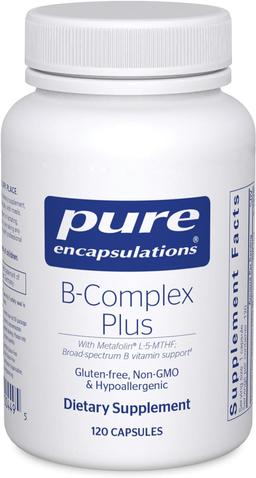
Pure Encapsulations' Vitamin B2 supplement provides 400 mg of riboflavin per capsule to support energy production, cellular function, and overall health, using hypoallergenic, high-quality ingredients.
Strength: 10 mg
Buy now
Vitamin B2 Riboflavin
Expert Research
Recommended
Recommended
Vitamin B12 Methylcobalamin
by Pure Encapsulations
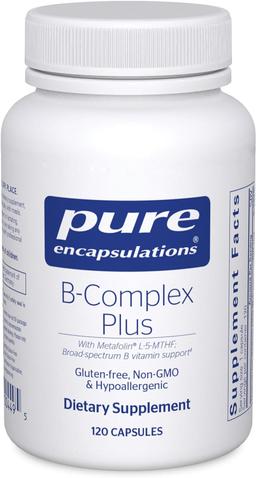
Pure Encapsulations' Vitamin B12 supplement provides a high-quality, bioavailable form of vitamin B12 to support energy production, neurological function, and overall health.
Strength: 0.2 mg
Buy now
Vitamin B12 Methylcobalamin
Expert Research
Recommended
Recommended

Calcium Citrate
by Solaray

The Calcium supplement by Solaray is designed to support bone health and overall wellness by providing a high-quality, bioavailable form of calcium.
Strength: 200mg
Buy now
Calcium Citrate
Expert Research
Recommended
Recommended
Zinc Bisglycinate
by Pure Encapsulations
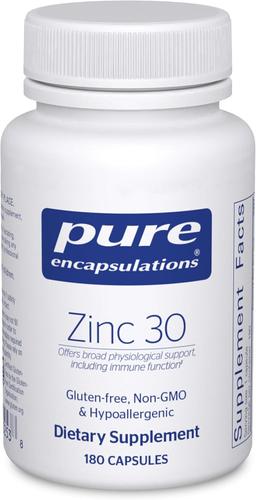
The Zinc supplement by Pure Encapsulations is a dietary supplement designed to support immune function and overall health, featuring highly bioavailable zinc in a hypoallergenic, vegetarian capsule.
Strength: 15 mg
Buy now
Zinc Bisglycinate
Expert Research
Recommended
Recommended

Vitamin D3 (Cholcalciferol) (1000 IU)
by Nordic Naturals
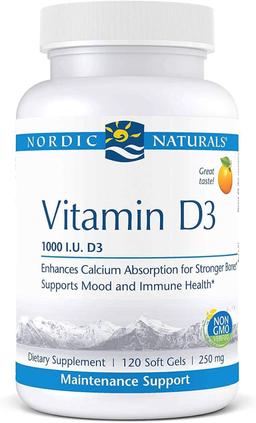
Nordic Naturals Vitamin D3 supplement provides a high-quality, natural source of vitamin D3 to support bone, mood, and immune health, formulated for optimal absorption and effectiveness.
Strength: 25mcg
Buy now
Vitamin D3 (Cholcalciferol) (1000 IU)
Expert Research
Recommended
Recommended
Potassium (as gluconate)
by Pure Encapsulations
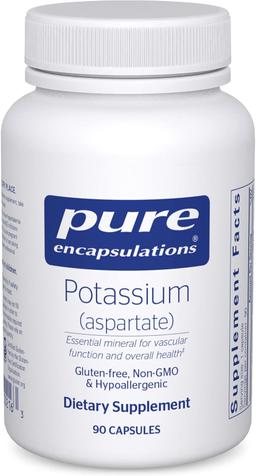
The Potassium supplement by Pure Encapsulations is a dietary supplement designed to support cardiovascular health, muscle function, and electrolyte balance, using high-quality, hypoallergenic ingredients.
Strength: 200mg
Buy now
Potassium (as gluconate)
Expert Research
Recommended
Recommended
Chromium Picolinate
by Pure Encapsulations
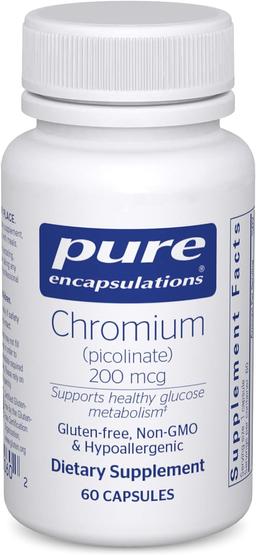
Pure Encapsulations Chromium supplement is a dietary supplement designed to support healthy glucose metabolism and overall metabolic function, using a highly bioavailable form of chromium.
Strength: 200 mcg
Buy now
Chromium Picolinate
Expert Research
Recommended
Recommended
Vitamin B6 (50% Pyridoxine and 50% P-5-P)
by Pure Encapsulations
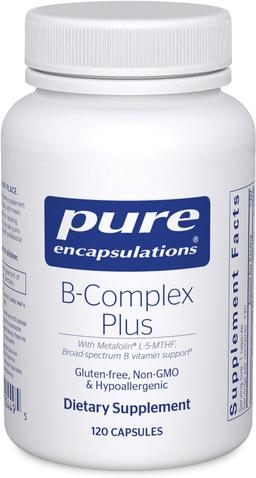
Pure Encapsulations' Vitamin B6 supplement provides a high-quality, hypoallergenic source of pyridoxine HCl to support various physiological functions, including amino acid metabolism and nervous system health.
Strength: 10 mg
Buy now
Vitamin B6 (50% Pyridoxine and 50% P-5-P)
Expert Research
Recommended
Recommended
Magnesium (as Magnesium Citrate)
by Pure Encapsulations

Pure Encapsulations Magnesium supplement is a dietary supplement designed to support overall health by providing highly bioavailable magnesium to aid in muscle function, energy production, and cardiovascular health.
Strength: 150 mg
Buy now
Magnesium (as Magnesium Citrate)
Expert Research
Recommended
Recommended
Folate
by Pure Encapsulations
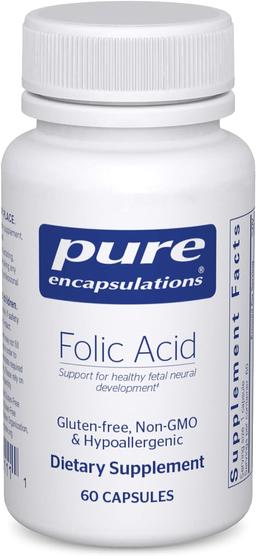
Pure Encapsulations' Folic Acid supplement provides a high-quality, bioavailable form of folic acid to support healthy fetal development, cardiovascular health, and overall cellular function.
Strength: 800 mcg
Buy now
Folate
Expert Research
Recommended
Recommended

COQ 10 (as Ubiquinone)
by Life Extension
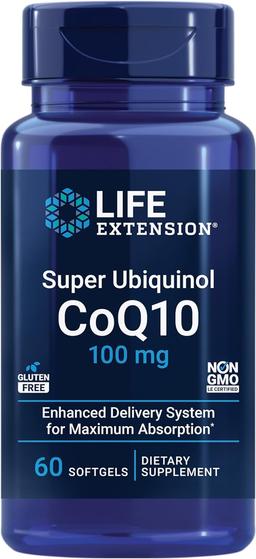
The CoQ10 supplement by Life Extension is a high-quality dietary supplement designed to support cellular energy production and antioxidant protection, utilizing a bioavailable form of Coenzyme Q10.
Strength: 50 mg
Buy now
COQ 10 (as Ubiquinone)
Expert Research
Recommended
Recommended
Antidote is a free resource, supported among other sources by affiliate commissions for purchases made through links on our site. Read full disclaimer
Next Steps
Save this report and share it with your healthcare provider or a family member
Ask our expert AI assistant additional questions related to Tirzepatide.