Create an account to receive alerts on new research
SaveShareAsk AI
Selegiline
Depletes
Prolonged use of Selegiline can impact 8 essential nutrients.
Vitamin B6
Monoamine oxidase inhibitors (MAO inhibitors) can interfere with the activity of vitamin B6 (pyridoxine) and can cause a deficiency. Supplementing with vitamin B6 should be considered.
Replace with Vitamin B6 (50% Pyridoxine HCL, 50% P-5-P) (12 mg)
Research: Heller CA, Friedman PA. Pyridoxine deficiency and peripheral neuropathy associated with long-term phenelzine therapy. Am J...
Also Benefits From:
Selenium
Selenium is a mineral that has emerged as a potential player in mood regulation. Studies demonstrate a link between lower dietary selenium intake and an increased risk of depression. Researchers propose that selenium's role as an antioxidant and a building block for proteins involved in cellular balance (redox homeostasis) might be a reason for this connection. The antioxidant properties could be particularly relevant because chronic inflammation and oxidative stress are implicated in depression.
Research: Pasco JA, Jacka FN, Williams LJ, Evans-Cleverdon M, Brennan SL, Kotowicz MA, Nicholson GC, Ball MJ, Berk M. Dietary selenium...
Vitamin B12
Vitamin B12, also known as cobalamin, is a crucial nutrient involved in various bodily functions. A deficiency in this nutrient can lead to neurological and psychiatric problems, including depression. Vitamin B12 is involved in the production of neurotransmitters which play a key role in regulating mood, sleep, and motivation. Insufficient levels of B12 can disrupt their production, leading to symptoms of depression like low mood, fatigue, and loss of interest in activities. A severe B12 deficiency can damage the myelin sheath, a protective layer around nerves. This damage can interfere with nerve signals, leading to symptoms like memory problems, anxiety, and depression.
Research: Syed EU, Wasay M, Awan S. Vitamin B12 supplementation in treating major depressive disorder: a randomized controlled trial....
Zinc
Zinc is a mineral that plays a role in the production of neurotransmitters, chemical messengers in the brain that influence mood. Zinc has antioxidant properties that help protect cells from damage caused by free radicals. Chronic inflammation and oxidative stress are implicated in depression, and zinc's antioxidant effects could be beneficial in this regard. Studies have found an inverse association between dietary zinc intake and depression. This means people with lower zinc intake seem to be more likely to experience depression.
Research: Li, Zongyao, et al. Association of total zinc, iron, copper and selenium intakes with depression in the US adults. Journal...
Vitamin K2 (Menaquinone-7)
Research demonstrates that vitamin D3 and K2 can provide greater benefit together. Vitamin D3 and K2 help move calcium into your bones, where it's most beneficial. This prevents calcium buildup in your arteries and blood vessels. Their combined action can boost bone health, promote cardiovascular health, and combat inflammation. Both vitamins show promise in regulating inflammation, a key factor in many health concerns. By collaborating, vitamin D3 and K2 offer a broader spectrum of benefits, potentially protecting against serious illnesses and promoting overall well-being.
Research: Kuang X, Liu C, Guo X, Li K, Deng Q, Li D. The combination effect of vitamin K and vitamin D on human bone quality: a...
Vitamin D3
Vitamin D is a fat-soluble vitamin known for promoting bone health and increasingly recognized for its potential role in various bodily functions. Studies suggest this nutrient may help improve symptoms of depression and anxiety. Research shows that vitamin D supplementation can reverse some of the behavioral changes caused by chronic stress, including anxiety and depression-like behaviors in animal models. This positive effect might be due to vitamin D's ability to reduce inflammation and oxidative stress in the brain, both of which are linked to depression. Additionally, some studies in humans show a connection between low vitamin D levels and depressive symptoms, with supplementation helping improve these symptoms.
Research: Mikola T, et al. The effect of vitamin D supplementation on depressive symptoms in adults: A systematic review and...
Magnesium
Magnesium is a mineral that plays a crucial role in many bodily functions, including muscle and nerve function, blood sugar control, and blood pressure regulation. Research suggests it may also play a part in mood regulation. Studies have found a link between low magnesium intake and depression, particularly in younger adults. Magnesium is involved in various processes that impact mood including neurotransmitter function, stress response, and sleep regulation. Maintaining adequate magnesium levels could be beneficial for mood regulation and reduce the risk of depression.
Research: Jacka FN, Maes M, Pasco JA, Williams LJ, Berk M. Nutrient intakes and the common mental disorders in women. J Affect Disord....
Vitamin B1
Thiamine (vitamin B1), a water-soluble B vitamin essential for energy production and nervous system function, is emerging as a potential player in mood disorders. Beyond its role in energy production, thiamine seems to have a significant impact on the nervous system. Studies suggest it's involved in maintaining healthy neurons, their communication (neurotransmission), and overall nervous system balance (homeostasis). This involvement extends to mood, cognitive function, and even the development of neurodegenerative diseases. Given its crucial role in neurological health and energy production, supplementation is suggested to support mood and protect against depression.
Research: Duc HN, Oh H, Yoon IM, Kim MS. Association between levels of thiamine intake, diabetes, cardiovascular diseases and...
Health Impact
Selegiline-induced nutrient depletion can lead to a range of health problems
Stroke & Heart Disease Risk
Low vitamin B6 status can promote accumulation of homocysteine, a sulfur‑containing amino acid that can damage the endothelium, increase oxidative stress, and promote clot formation, all of which are relevant to cardiovascular disease and stroke. Large observational studies and cross‑sectional analyses have shown that people with lower plasma pyridoxal‑5‑phosphate (active B6) levels have higher rates of stroke and other vascular events, and in some cohorts low B6 was a stronger predictor of stroke or transient ischemic attack than homocysteine itself. The encouraging finding from meta‑analyses and clinical trials is that B‑vitamin combinations including B6 can lower homocysteine and modestly reduce the combined risk of stroke, myocardial infarction, and vascular death in high‑risk patients, suggesting that maintaining adequate B6 is one useful piece of broader cardiovascular prevention
Research: Vanuzzo D, Pilotto L, Lombardi R, Lazzerini G, Carluccio M, Diviacco S, Quadrifoglio F, Danek G, Gregori D, Fioretti P,...
Memory Loss & Dementia
In the brain, vitamin B6 (pyridoxine) is needed to produce neurotransmitters and to keep homocysteine in check, so low B6 status has been linked to both depressed mood and subtle cognitive problems such as slower processing and poorer attention in some adults. Observational work in older populations suggests that lower blood levels or intakes of B6 tend to track with worse performance on memory, executive‑function, and psychomotor‑speed tests, raising concern that marginal B6 status may contribute to age‑related cognitive decline. Clinically, when B6 deficiency coexists with depression, correcting it is viewed as one modifiable factor that may help support clearer thinking and better cognitive function alongside standard psychiatric and lifestyle treatments.
Research: Palacios N, Scott T, Sahasrabudhe N, Gao X, Tucker KL. Lower Plasma Vitamin B-6 is Associated with 2-Year Cognitive Decline...
Seizures & Brain Symptoms
In the nervous system, vitamin B6 is essential for making the inhibitory neurotransmitter GABA, so significant deficiency can lower seizure threshold and lead to seizures or encephalopathy, particularly in infants but occasionally in adults. Classic pyridoxine‑dependent or B6‑responsive seizure syndromes in infants often present with refractory seizures that improve dramatically after B6 or pyridoxal‑5‑phosphate is given, highlighting how crucial this pathway is for brain stability. Clinically, this means that in patients, especially infants, with otherwise unexplained or treatment‑resistant seizures or encephalopathy, assessing and correcting B6 status is a low‑risk, potentially lifesaving step that should be considered early.
Research: Sousou JM, Griffith EM, Marsalisi C, Reddy P. Pyridoxine Deficiency and Neurologic Dysfunction: An Unlikely Association....
Depression & Mood Changes
In the brain, vitamin B6 (pyridoxine) is a cofactor for enzymes that make key neurotransmitters such as serotonin, dopamine, and GABA, so low B6 status can contribute to depressive symptoms, irritability, and increased stress sensitivity. Epidemiologic studies in older adults and other populations have found that low plasma pyridoxal‑5‑phosphate (the active B6 form) or lower dietary B6 intake is associated with higher depression scores and roughly doubled odds of having clinically significant depressive symptomatology. The encouraging finding from emerging trials is that, in people with low or marginal B6 status, supplementation can modestly improve measures of anxiety and depressed mood, especially when used as part of a broader treatment plan that also addresses sleep, stress, and other nutrient deficiencies.
Research: Lu J, Mao H, Tan Y, Luo G. Associations of Dietary Intake of Vitamin B6 and Plasma Pyridoxal 5'-Phosphate Level With...
Tingling, Numbness & Nerve Pain
In some adults, vitamin B6 deficiency can manifest as a distal, symmetric peripheral neuropathy that is predominantly sensory rather than motor, with numbness, tingling, or burning pain starting in the feet and hands. Clinical descriptions note that this large‑fiber neuropathy often produces loss of vibration and position sense with relatively preserved pain and temperature sensation, which can lead to sensory ataxia and gait unsteadiness in more advanced cases. The practical point is that, because both B6 deficiency and excess can cause peripheral neuropathy, it is important to assess B6 status in patients with otherwise unexplained distal sensory symptoms and to correct deficiencies.
Research: Miguel Chuquilin Arista, et al. Pyridoxine Deficiency in Patients with Peripheral Neuropathy Symptoms. Neurology Journals. A...
Anemia & Fatigue
Because vitamin B6 is a required cofactor for the first step of heme synthesis, deficiency can impair hemoglobin production and lead to anemia that is sometimes microcytic or shows sideroblastic features on bone‑marrow exam. Case reports and series describe patients with otherwise unexplained microcytic, hypochromic or sideroblastic anemia, including ringed sideroblasts, who were ultimately found to have B6 deficiency and experienced normalization of hemoglobin after pyridoxine supplementation. The practical point is that vitamin B6 deficiency is an important, often overlooked, reversible cause of anemia in adults, so it is worth checking B6 status when the anemia pattern does not line up with iron, folate, or B12 results, or when those levels are normal but the anemia persists.
Research: Allain JS, Belhomme N, Henriot B, Haas M, Le Gall-Godard M, Pastoret C, Jego P. Une anémie microcytaire sidéroblastique...
Skin Rashes & Mouth Sores
On the skin and mucous membranes, vitamin B6 deficiency can cause a seborrheic dermatitis‑like rash with redness, scaling, and itching on the face, scalp, neck, or upper chest, along with fissuring at the lips. Clinical descriptions note that B6‑related mucosal changes can include cheilitis, stomatitis, and glossitis, and some field studies in children have linked low pyridoxine status with a higher prevalence of angular stomatitis and tongue inflammation that improve with B‑complex supplementation. The practical implication is that, when patients present with persistent seborrheic dermatitis‑like eruptions plus mouth sores or tongue soreness, particularly in the setting of poor diet, alcoholism, or malabsorption, assessing vitamin B6 (and other B‑vitamin) status can be an important step toward resolving these dermatologic and mucosal lesions.
Research: Fabrizio Galimberti, et al. Skin findings associated with nutritional deficiencies. Cleveland Clinic Journal of Medicine...
Side Effects
Common side effects of Selegiline, some of which may be related to nutrient depletion
Review
Side effects of the antidepressant drug Selegiline may include:
1. Insomnia
2. Headache
3. Dizziness
4. Nausea
5. Dry mouth
6. Constipation
7. Diarrhea
8. Anxiety
9. Agitation
10. Irritability
11. Restlessness
12. Changes in blood pressure
13. Hallucinations
14. Confusion
15. Hypertension
16. Serotonin syndrome (if taken with other serotonin-affecting medications)
17. Sexual dysfunction
18. Weight loss
19. Rash
20. Sweating
It is important to talk to your doctor if you experience any of these side effects while taking Selegiline.
1. Insomnia
2. Headache
3. Dizziness
4. Nausea
5. Dry mouth
6. Constipation
7. Diarrhea
8. Anxiety
9. Agitation
10. Irritability
11. Restlessness
12. Changes in blood pressure
13. Hallucinations
14. Confusion
15. Hypertension
16. Serotonin syndrome (if taken with other serotonin-affecting medications)
17. Sexual dysfunction
18. Weight loss
19. Rash
20. Sweating
It is important to talk to your doctor if you experience any of these side effects while taking Selegiline.
Get Support
We've curated a list of vetted, recommended individual nutrient third-party supplements.
Shop Third-Party Supplements

Vitamin B6 (50% Pyridoxine and 50% P-5-P)
by Pure Encapsulations
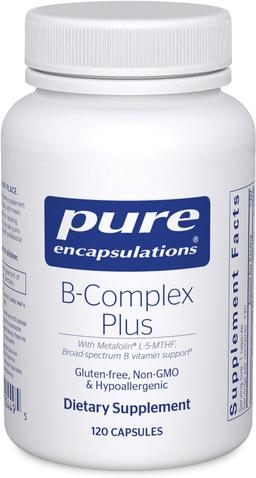
Pure Encapsulations' Vitamin B6 supplement provides a high-quality, hypoallergenic source of pyridoxine HCl to support various physiological functions, including amino acid metabolism and nervous system health.
Strength: 10 mg
Buy now
Vitamin B6 (50% Pyridoxine and 50% P-5-P)
Expert Research
Recommended
Recommended
Antidote is a free resource, supported among other sources by affiliate commissions for purchases made through links on our site. Read full disclaimer
Next Steps
Save this report and share it with your healthcare provider or a family member
Ask our expert AI assistant additional questions related to Selegiline.