Create an account to receive alerts on new research
SaveShareAsk AI
Prilosec OTC
Depletes
Prolonged use of Prilosec OTC can impact 7 essential nutrients.
Vitamin B12
Research suggests that long-term use of medications that reduce stomach acid, like H2 blockers and PPIs, may be linked to vitamin B12 deficiency. Stomach acid plays a role in releasing vitamin B12 from food, and reduced acid levels caused by these medications could hinder proper B12 absorption. Some studies find an increased risk of B12 deficiency, particularly in older adults or those using these medications for extended periods. Individuals taking H2 blockers or PPIs long-term should consider vitamin B12 supplementation.
Replace with Vitamin B12 (as methylcobalamin) (0.2 mg)
Research: Miller JW. Proton Pump Inhibitors, H2-Receptor Antagonists, Metformin, and Vitamin B-12 Deficiency: Clinical Implications....
Vitamin C
There is evidence that proton pump inhibitors (PPIs) might decrease vitamin C levels in the body. A study showed that even a short course of omeprazole, a common PPI, reduced vitamin C levels in healthy volunteers, regardless of their dietary intake. This suggests that PPIs may reduce the bioavailability of vitamin C, meaning the body has a harder time absorbing and using it. Vitamin C plays a crucial role in immune function and antioxidant defenses and therefore individuals using PPI therapy should consider supplementation with vitamin C to protect against a deficiency.
Replace with Vitamin C Ascorbic Acid (90 mg)
Research: Heidelbaugh JJ. Proton pump inhibitors and risk of vitamin and mineral deficiency: evidence and clinical implications. Ther...
Calcium
Long-term use of PPIs might raise the risk of calcium deficiency and weaken bones. A potential mechanism for this is chronic hypergastrinemia, a condition where the stomach produces excess gastrin due to PPI use. This can lead to parathyroid hyperplasia, where the parathyroid glands overproduce a hormone that pulls calcium from bones. Additionally, PPIs significantly reduce stomach acid production, which can hinder calcium absorption from food in the intestines. Individuals taking PPIs, especially individuals at higher risk of bone issues or those on long-term PPI therapy, should consider calcium supplementation to help protect against deficiency.
Replace with Calcium Citrate (75 mg)
Research: Zhou B, Huang Y, Li H, Sun W, Liu J. Proton-pump inhibitors and risk of fractures: an update meta-analysis. Osteoporos Int....
Magnesium
Studies find that proton pump inhibitors (PPIs) may increase your risk of magnesium deficiency. A large study involving over 100,000 participants found a significant association between PPI use and lower magnesium levels (hypomagnesemia). PPIs work by reducing stomach acid production, which can also play a role in magnesium absorption. Individuals taking PPIs, particularly long-term use, should consider magnesium supplementation to help protect against deficiency.
Replace with Magnesium Citrate (75 mg)
Research: Cheungpasitporn W, Thongprayoon C, Kittanamongkolchai W, Srivali N, Edmonds PJ, Ungprasert P, O'Corragain OA, Korpaisarn S,...
Also Benefits From:
Vitamin B6 (as pyridoxine hydrochloride)
Vitamin B-6 helps regulate immune responses in the gut, potentially reducing inflammation that can contribute to digestive issues. One of the concerns of Gastro Esophageal Reflux Disorder ( GERD) or Gastric Reflux is the progression to more complicated condition such as Barrett’s Esophagus (BE) or even Esophageal adenocarcinoma (EAC) by increased inflammation. While treatment of GERD with Proton Pump Inhibitors or H2 Antagonists may help treat or reduce risk, a study on the effects of B Vitamins found that Vitamin B6 intake was significantly inversely related to the risks of all three lesions of GERD, BE or EAC. Patients concerned with these conditions should consider Vitamin B6 supplementation.
Research: Sharp L, Carsin AE, Cantwell MM, Anderson LA, Murray LJ; FINBAR Study Group. Intakes of dietary folate and other B vitamins...
Vitamin B 6 (as pyridoxal 5'-phosphate)
Vitamin B-6 helps regulate immune responses in the gut, potentially reducing inflammation that can contribute to digestive issues. One of the concerns of Gastro Esophageal Reflux Disorder ( GERD) or Gastric Reflux is the progression to more complicated condition such as Barrett’s Esophagus (BE) or even Esophageal adenocarcinoma (EAC) by increased inflammation. While treatment of GERD with Proton Pump Inhibitors or H2 Antagonists may help treat or reduce risk, a study on the effects of B Vitamins found that Vitamin B6 intake was significantly inversely related to the risks of all three lesions of GERD, BE or EAC. Patients concerned with these conditions should consider Vitamin B6 supplementation.
Research: Sharp L, Carsin AE, Cantwell MM, Anderson LA, Murray LJ; FINBAR Study Group. Intakes of dietary folate and other B vitamins...
Vitamin K2 (Menaquinone-7)
Research demonstrates that vitamin D3 and K2 can provide greater benefit together. Vitamin D3 and K2 help move calcium into your bones, where it's most beneficial. This prevents calcium buildup in your arteries and blood vessels. Their combined action can boost bone health, promote cardiovascular health, and combat inflammation. Both vitamins show promise in regulating inflammation, a key factor in many health concerns. By collaborating, vitamin D3 and K2 offer a broader spectrum of benefits, potentially protecting against serious illnesses and promoting overall well-being.
Research: Kuang X, Liu C, Guo X, Li K, Deng Q, Li D. The combination effect of vitamin K and vitamin D on human bone quality: a...
Health Impact
Prilosec OTC-induced nutrient depletion can lead to a range of health problems
Memory Loss & Dementia
Vitamin B12 deficiency is strongly associated with cognitive impairment, including problems with memory, attention, and executive function, and is considered a reversible cause of dementia when caught early. Low or borderline B12 levels are more common in older adults, particularly those with atrophic gastritis, long-term use of acid-suppressing medications, or vegetarian/vegan diets, and studies show that deficient individuals often perform worse on cognitive tests than those with adequate status. Clinically, correcting B12 deficiency can lead to measurable improvements in cognition and mood in some patients, which is why B12 levels are routinely checked in the evaluation of cognitive decline and suspected dementia.
Research: Jatoi S, Hafeez A, Riaz SU, Ali A, Ghauri MI, Zehra M. Low Vitamin B12 Levels: An Underestimated Cause Of Minimal Cognitive...
High Blood Pressure & Heart Risk
Across the lifespan, chronically low calcium intake has been linked to higher blood pressure, in part because calcium plays a key role in vascular smooth‑muscle contraction, sodium handling, and endothelial function. Large epidemiologic studies and randomized trials suggest that individuals with higher dietary calcium intake tend to have modestly lower systolic and diastolic blood pressures and may experience a small but meaningful reduction in risk of stroke and other cardiovascular events. The practical takeaway is that maintaining adequate daily calcium, alongside blood pressure control, exercise, and a heart‑healthy diet, may be an underutilized strategy to support vascular health and reduce long‑term cardiovascular risk.
Research: Kim MH, Bu SY, Choi MK. Daily calcium intake and its relation to blood pressure, blood lipids, and oxidative stress...
Irregular Heartbeat & Heart Risks
Low or depleted magnesium levels are associated with a higher likelihood of several cardiovascular problems, including arrhythmias, where people with low magnesium have been shown to have 2–4 times higher odds of these rhythm disturbances compared with those with normal levels. Low magnesium is also linked to worsening coronary artery disease, progression of heart failure, and development or aggravation of hypertension, driven by disrupted cardiac electrical stability, vascular function, and electrolyte balance. Even mild magnesium depletion may contribute to higher blood pressure over time, adding to the overall cardiovascular burden, especially in individuals with existing heart disease or multiple risk factors.
Research: Kolte D, Vijayaraghavan K, Khera S, Sica DA, Frishman WH. Role of magnesium in cardiovascular diseases. Cardiol Rev. 2014...
Heart & Metabolism Risks
Low or deficient vitamin B12 status elevates homocysteine levels by impairing its conversion to methionine, a process that requires B12 as a cofactor. This hyperhomocysteinemia is linked to increased cardiovascular risks, including atherosclerosis, heart disease, and stroke, through vascular inflammation and endothelial damage. Additionally, low B12 contributes to metabolic disturbances like insulin resistance and type 2 diabetes risk, compounding heart health concerns in susceptible individuals.
Research: Sucharita S, Thomas T, Antony B, Vaz M. Vitamin B12 supplementation improves heart rate variability in healthy elderly...
Weak Bones & Fractures
Low or depleted vitamin B12 status is linked to reduced bone mineral density (BMD), increasing osteoporosis risk in both men and women. Individuals with low B12 show significantly lower BMD at key sites like the hip and spine compared to those with adequate levels. Routine serum B12 monitoring, alongside periodic bone density scans and supplementation for at-risk groups, helps preserve bone health and mitigate fracture risks.
Research: Stone KL, Bauer DC, Sellmeyer D, Cummings SR. Low serum vitamin B-12 levels are associated with increased hip bone loss in...
Eye Bleeding & Vision Issues
Vitamin C deficiency weakens collagen in capillary and vascular walls, so severe scurvy can present with ocular hemorrhages in the conjunctiva and retina that threaten vision if not treated. Case reports and small series describe retinal hemorrhages, flame‑shaped hemorrhages, and even retrobulbar bleeding compressing the optic nerve, which can lead to optic neuropathy and visual loss in advanced cases. The encouraging point is that, when vitamin C deficiency is recognized early and promptly repleted, many ocular hemorrhages and visual symptoms can partially or fully resolve, making it critical to consider vitamin C status in patients with otherwise unexplained ocular bleeding and visual complaints.
Research: Errera MH, Dupas B, Man H, Gualino V, Gaudric A, Massin P. Une cause inhabituelle d'anomalies rétiniennes, hémorragies...
Airway Spasms & Breathing Issues
In some patients, significant calcium deficiency leading to hypocalcemia can present with acute respiratory manifestations such as laryngospasm and bronchospasm, often in the context of generalized neuromuscular irritability and tetany. Case reports describe episodes of stridor, tightness in the chest, and even acute respiratory distress that improve as ionized calcium levels are corrected. The key clinical implication is that, when otherwise unexplained laryngospasm or bronchospasm occurs alongside perioral numbness, carpopedal spasm, or muscle cramps, prompt evaluation and correction of calcium deficiency can be lifesaving and help prevent recurrent respiratory compromise.
Research: Kennedy J, Pérusse L, Drapeau V, Tremblay A. Cardiorespiratory Fitness in Low Calcium Consumers: Potential Impact of Calcium...
Side Effects
Common side effects of Prilosec OTC, some of which may be related to nutrient depletion
Review
Some common side effects of Prilosec OTC (omeprazole) may include:
1. Headache
2. Nausea
3. Stomach pain
4. Diarrhea
5. Constipation
6. Gas
7. Vomiting
8. Dizziness
9. Rash
10. Itching
It is important to consult a healthcare provider if you experience any severe or persistent side effects while taking Prilosec OTC.
1. Headache
2. Nausea
3. Stomach pain
4. Diarrhea
5. Constipation
6. Gas
7. Vomiting
8. Dizziness
9. Rash
10. Itching
It is important to consult a healthcare provider if you experience any severe or persistent side effects while taking Prilosec OTC.
Get Support
We've developed a formula to replenish the nutrients depleted by Prilosec OTC.

Shop Third-Party Supplements

Calcium Citrate
by Solaray

The Calcium supplement by Solaray is designed to support bone health and overall wellness by providing a high-quality, bioavailable form of calcium.
Strength: 200mg
Buy now
Calcium Citrate
Expert Research
Recommended
Recommended

Magnesium (as Magnesium Citrate)
by Pure Encapsulations
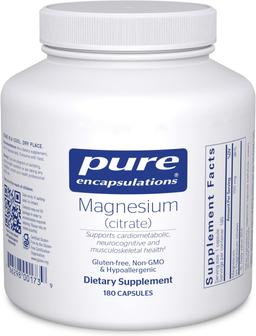
Pure Encapsulations Magnesium supplement is a dietary supplement designed to support overall health by providing highly bioavailable magnesium to aid in muscle function, energy production, and cardiovascular health.
Strength: 150 mg
Buy now
Magnesium (as Magnesium Citrate)
Expert Research
Recommended
Recommended
Vitamin C (Ascorbic Acid)
by Pure Encapsulations
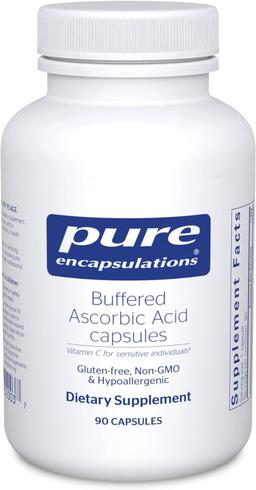
Pure Encapsulations' Vitamin C supplement is a high-quality, hypoallergenic product designed to support immune function, collagen production, and antioxidant protection.
Strength: 200 mcg
Buy now
Vitamin C (Ascorbic Acid)
Expert Research
Recommended
Recommended
Vitamin B12 Methylcobalamin
by Pure Encapsulations
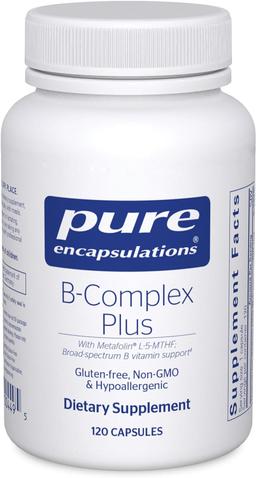
Pure Encapsulations' Vitamin B12 supplement provides a high-quality, bioavailable form of vitamin B12 to support energy production, neurological function, and overall health.
Strength: 0.2 mg
Buy now
Vitamin B12 Methylcobalamin
Expert Research
Recommended
Recommended
Antidote is a free resource, supported among other sources by affiliate commissions for purchases made through links on our site. Read full disclaimer
Next Steps
Save this report and share it with your healthcare provider or a family member
Ask our expert AI assistant additional questions related to Prilosec OTC.