Create an account to receive alerts on new research
SaveShareAsk AI
Pravachol
Depletes
Prolonged use of Pravachol can impact 5 essential nutrients.
NAC
Statins can lead to elevated liver enzymes, which may increase the risk of liver damage. Studies suggest that liver injury can be associated with statins and potent antioxidants like NAC with its anti-inflammatory action is associated with improved liver circulation, hepatoprotective, and therapeutic in liver conditions and disease.
Replace with N-Acetyl Cysteine (200 mg)
Research: Abdoli, Narges et al. “Protective Effects of N-acetylcysteine Against the Statins Cytotoxicity in Freshly Isolated Rat...
Magnesium
Magnesium supplements and statin medications both inhibit the HMG-CoA and have complementary effects to reducing the production of cholesterol. Magnesium has functions that are crucial to cardiovascular and general health as a catalyst to 300 healthy reactions in the body and 100 in the heart. The association between Magnesium supplementation and statins is also able to offer some protection for painful myopathy as a side effect induced by statins, which may also boost patient compliance. According to research, patients who received the statin drug atorvastatin along with a magnesium treatment had significantly increased levels of serum magnesium, HDL (the good cholesterol), as well as significantly decreased levels of total cholesterol, LDL cholesterol, and triglycerides.
Replace with Magnesium (75mg)
Research: Roxana Nartea, et al. The Link between Magnesium Supplements and Statin Medication in Dyslipidemic Patients. Curr Issues Mol...
ALA
Statins can lead to elevated liver enzymes, which may increase the risk of liver damage. Studies suggest that liver injury can be associated with statins and potent antioxidants like alpha lipoic acid with its anti-inflammatory action is associated with improved liver circulation, hepatoprotective, and therapeutic in liver conditions and disease.
Replace with Alpha Lipoic Acid (100 mg)
Research: Stanković MN, Mladenović D, Ninković M, Ethuričić I, Sobajić S, Jorgačević B, de Luka S, Vukicevic RJ, Radosavljević TS. The...
Vitamin D3
Statin therapy can lead to side effects such as statin-associated muscle symptoms (SAMS), rhabdomyolysis myopathy, and myalgia. Research has demonstrated vitamin D is associated with deficient and insufficient status in patients taking statin drug therapy. It has also found vitamin D to be successful in preventing muscle-related side effects like SAMS. Supplementation with vitamin D should be considered to avoid a potential deficiency and to help protect against muscle related side effects.
Replace with Vitamin D3 (Cholecalciferol) (500 IU)
Research: Atalig, Anne Rase MD; DiGiulio, Mary DO. Can vitamin D supplementation decrease risk of statin-induced rhabdomyolysis in...
Vitamin E
Research has found vitamin E supplementation significantly increased the antioxidative capacity of LDL, which was partially abolished by statin therapy. Supplementation with vitamin E should be considered for its antioxidant and anti-inflammatory properties that may help reduce the oxidation of LDL and help protect against cardiovascular diseases.
Replace with Vitamin E (d-alpha-tocopherol and mixed tocopherols) (30IU)
Research:
Shah S, Shiekh Y, Lawrence JA, Ezekwueme F, Alam M, Kunwar S, Gordon DK. A Systematic Review of Effects of Vitamin E on the...
Health Impact
Pravachol-induced nutrient depletion can lead to a range of health problems
Irregular Heartbeat & Heart Risks
Low or depleted magnesium levels are associated with a higher likelihood of several cardiovascular problems, including arrhythmias, where people with low magnesium have been shown to have 2–4 times higher odds of these rhythm disturbances compared with those with normal levels. Low magnesium is also linked to worsening coronary artery disease, progression of heart failure, and development or aggravation of hypertension, driven by disrupted cardiac electrical stability, vascular function, and electrolyte balance. Even mild magnesium depletion may contribute to higher blood pressure over time, adding to the overall cardiovascular burden, especially in individuals with existing heart disease or multiple risk factors.
Research: Kolte D, Vijayaraghavan K, Khera S, Sica DA, Frishman WH. Role of magnesium in cardiovascular diseases. Cardiol Rev. 2014...
Type 2 Diabetes & Metabolic Syndrome
Low or depleted magnesium levels place people with diabetes and metabolic syndrome (MetSyn) at higher risk of worsening glycemic control and insulin resistance because magnesium is essential for normal glucose metabolism and beta-cell function. When magnesium is low, these metabolic pathways become less efficient, amplifying blood sugar instability, lipid abnormalities, and other MetSyn features. Even moderate depletion can accelerate type 2 diabetes and MetSyn-related complications, underscoring the need for monitoring magnesium status in these vulnerable groups.
Research: Gommers LM, Hoenderop JG, Bindels RJ, de Baaij JH. Hypomagnesemia in Type 2 Diabetes: A Vicious Circle? Diabetes. 2016...
Weak Bones & Fractures
Low or depleted magnesium levels are associated with a higher risk of osteoporosis and fractures, with studies linking magnesium deficiency to a 25–35% increased risk of hip, wrist, and spine fractures in some populations. Magnesium deficiency impairs bone mineralization and vitamin D activation, compounding skeletal weakness by disrupting osteoblast function and calcium balance. This is particularly concerning for older adults or those with additional risk factors, where monitoring magnesium status and considering supplementation may help mitigate bone loss.
Research: Front Pharmacol. 2025 May 12;16:1592048. Rude RK, Singer FR, Gruber HE. Skeletal and hormonal effects of magnesium...
Migraines, Seizures & Mental Fog
Magnesium depletion can contribute to neurological issues like migraines, depression, seizures, and cognitive impairment by disrupting neuronal excitability, neurotransmitter balance, and NMDA receptor function. Case reports often describe severe symptoms such as tremors, encephalopathy, cerebellar ataxia, or memory problems in affected patients, which typically resolve once magnesium levels are restored. Although these effects occur less frequently than cardiovascular complications, monitoring is advisable particularly in older adults with persistent low magnesium.
Research: Chen F, Wang J, Cheng Y, Li R, Wang Y, Chen Y, Scott T, Tucker KL. Magnesium and Cognitive Health in Adults: A Systematic...
Heart & Blood Pressure Issues
Vitamin D receptors are present in blood vessels and heart muscle, and deficiency has been linked in observational studies to higher rates of hypertension and heart failure. In large cohorts, people with low 25‑hydroxyvitamin D levels more often have elevated blood pressure and show a greater incidence of new‑onset heart failure and cardiovascular events over time, even after adjusting for some traditional risk factors. Clinically, maintaining adequate vitamin D levels is regarded as a simple, proactive way to support healthier vascular tone, blood pressure regulation, and overall cardiovascular resilience.
Research: Karadeniz Y, Özpamuk-Karadeniz F, Ahbab S, Ataoğlu E, Can G. Vitamin D Deficiency Is a Potential Risk for Blood Pressure...
Diabetes & Insulin Resistance
Vitamin D deficiency has been consistently associated with higher risk of metabolic problems, including insulin resistance and type 2 diabetes. A meta-analysis of 21 prospective studies following 76,220 participants and documenting 4,996 new type 2 diabetes cases found a clear, statistically significant inverse relationship between circulating 25(OH)D levels and future diabetes risk across diverse populations. In clinical research, people with type 2 diabetes typically show significantly lower vitamin D levels and higher HOMA-IR scores than healthy controls, with an inverse correlation between vitamin D status and insulin resistance that supports a potential mechanistic role of deficiency in the pathophysiology of insulin resistance.
Research: Xu, Z., Gong, R., Luo, G. et al. Association between vitamin D3 levels and insulin resistance: a large sample...
Vision Loss & Eye Damage
In both children and adults, vitamin E deficiency can contribute to retinopathy and visual impairment because α‑tocopherol serves as a key fat‑soluble antioxidant that protects photoreceptor cells and retinal membranes from cumulative oxidative damage. Clinical reports describe patients with prolonged low vitamin E status developing pigmentary retinopathy, reduced visual acuity, and abnormal electroretinograms, sometimes alongside peripheral neuropathy, which can improve partially when deficiency is identified and corrected. These neurosensory changes appear more frequently in settings of fat malabsorption or genetic disorders affecting vitamin E transport, highlighting the importance of monitoring vitamin E status in at‑risk groups with otherwise unexplained visual decline.
Research: Runge P, Muller DP, McAllister J, Calver D, Lloyd JK, Taylor D. Oral vitamin E supplements can prevent the retinopathy of...
Side Effects
Common side effects of Pravachol, some of which may be related to nutrient depletion
Review
Some common side effects of pravastatin (brand name Pravachol) include:
1. Headache
2. Nausea
3. Diarrhea
4. Muscle pain or weakness
5. Joint pain
6. Dizziness
7. Insomnia
8. Rash or itching
9. Increased liver enzymes
10. Increased blood sugar levels
It is important to note that some people may experience more serious side effects such as liver damage, muscle breakdown, and allergic reactions. It is important to talk to your doctor if you experience any concerning symptoms while taking pravastatin.
1. Headache
2. Nausea
3. Diarrhea
4. Muscle pain or weakness
5. Joint pain
6. Dizziness
7. Insomnia
8. Rash or itching
9. Increased liver enzymes
10. Increased blood sugar levels
It is important to note that some people may experience more serious side effects such as liver damage, muscle breakdown, and allergic reactions. It is important to talk to your doctor if you experience any concerning symptoms while taking pravastatin.
Get Support
We've developed a formula to replenish the nutrients depleted by Pravachol.

Shop Third-Party Supplements

Alpha Liopic Acid
by Thorne
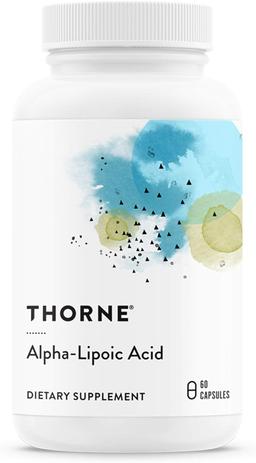
Thorne's ALA (Alpha-Lipoic Acid) supplement is designed to support healthy nerve function, promote antioxidant activity, and aid in the metabolism of glucose and lipids.
Strength: 300 mg
Buy now
Alpha Liopic Acid
Expert Research
Recommended
Recommended

Vitamin E (d-alpha tocopherol) 33 mg; mixed tocopherols 6.6mg (providing d-gamma, d-delta and d-beta tocopherols)
by Life Extension
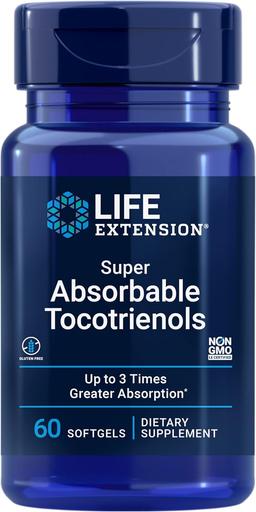
The Vitamin E supplement by Life Extension is designed to provide antioxidant support and promote overall health by delivering a potent blend of tocopherols and tocotrienols.
Strength: 50 IU
Buy now
Vitamin E (d-alpha tocopherol) 33 mg; mixed tocopherols 6.6mg (providing d-gamma, d-delta and d-beta tocopherols)
Expert Research
Recommended
Recommended

Vitamin D3 (Cholcalciferol) (1000 IU)
by Nordic Naturals
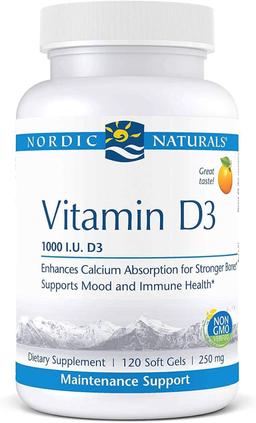
Nordic Naturals Vitamin D3 supplement provides a high-quality, natural source of vitamin D3 to support bone, mood, and immune health, formulated for optimal absorption and effectiveness.
Strength: 25mcg
Buy now
Vitamin D3 (Cholcalciferol) (1000 IU)
Expert Research
Recommended
Recommended

Magnesium (as Magnesium Citrate)
by Pure Encapsulations
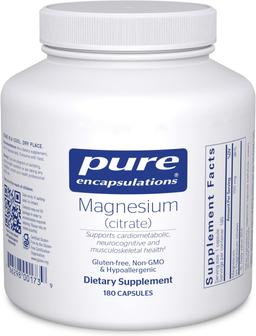
Pure Encapsulations Magnesium supplement is a dietary supplement designed to support overall health by providing highly bioavailable magnesium to aid in muscle function, energy production, and cardiovascular health.
Strength: 150 mg
Buy now
Magnesium (as Magnesium Citrate)
Expert Research
Recommended
Recommended
N-Acetyl-L-Cysteine
by Pure Encapsulations
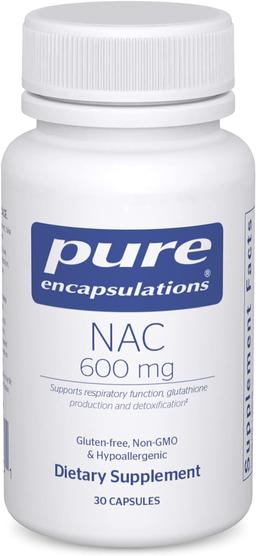
The NAC supplement by Pure Encapsulations provides N-Acetyl-L-Cysteine, an antioxidant that supports cellular health, detoxification, and immune function.
Strength: 600 mg
Buy now
N-Acetyl-L-Cysteine
Expert Research
Recommended
Recommended
Antidote is a free resource, supported among other sources by affiliate commissions for purchases made through links on our site. Read full disclaimer
Next Steps
Save this report and share it with your healthcare provider or a family member
Ask our expert AI assistant additional questions related to Pravachol.