Create an account to receive alerts on new research
SaveShareAsk AI
Plendil
Depletes
Prolonged use of Plendil can impact 9 essential nutrients.
Calcium
Studies suggest that Felodipine, a type of calcium channel blocker (CCB), may increase the excretion of calcium in the urine. While the long-term effects on bone health are unclear, some healthcare professionals suggest calcium supplementation for patients taking felodipine, especially those at higher risk of osteoporosis.
Replace with Calcium Citrate (50 mg)
Research: Schmitz A. Acute renal effects of oral felodipine in normal man. Eur J Clin Pharmacol. 1987;32(1):17-22. doi:...
Potassium
An increased excretion of potassium can occur in people taking calcium channel blocker drugs like felodipine. Supplementation may need to be considered if blood levels of potassium are low.
Replace with Potassium (as citrate and gluconate) (99 mg)
Research: Hulthen UL, Katzman PL. Renal effects of acute and long-term treatment with felodipine in essential hypertension. J...
Magnesium
Research suggests that Felodipine, a type of calcium channel blocker (CCB), may increase the excretion of magnesium in the urine. This can potentially lead to magnesium deficiency. Studies have shown an increase in fractional excretion of magnesium following felodipine treatment, and the drug may also alter how magnesium moves across red blood cell membranes. Therefore supplementation with magnesium should be considered when on this therapy.
Replace with Magnesium Citrate (50 mg)
Research: Hulthén UL, Katzman PL. Renal effects of acute and long-term treatment with felodipine in essential hypertension. J...
Also Benefits From:
Grape Seed Extract
Grape Seed Extracts (GSE) are rich in polyphenols, specifically proanthocyanadins, that provide benefits to the cardiovascular system especially in area of inflammation, hypertension and cardiovascular disease. Studies suggest that the consumption of GSE that is rich in proanthocyanadins, helps protect against myocardial injury, helps lower blood pressure, reduce inflammation, decrease the size of carotid plaque and inhibiting dangerous platelet adhesions and aggregation thereby reducing cardiovascular mortality.
Research: Schön C, Allegrini P, Engelhart-Jentzsch K, Riva A, Petrangolini G. Grape Seed Extract Positively Modulates Blood Pressure...
Taurine
Beyond its general health benefits, Taurine shines for its potential to support a healthy heart and blood pressure. This amino acid boasts anti-inflammatory and antioxidant properties, which may help protect against hypertension. Studies suggest it can modulate blood sugar levels, potentially reducing the risk of diabetes and its complications like heart disease. Taurine's overall impact on the cardiovascular system is promising, with some evidence indicating it may be essential for proper heart function and development.
Research: Ahmadian M, Dabidi Roshan V, Ashourpore E. Taurine Supplementation Improves Functional Capacity, Myocardial Oxygen...
Vitamin C
Vitamin C (Ascorbic acid) goes beyond just immune system support. This powerful antioxidant combats free radicals and oxidative stress, potentially reducing the risk of various diseases. While most recognized for its role in white blood cell production, research suggests Vitamin C may also benefit heart health and blood pressure. It might help protect against damage caused by free radicals in blood vessels, potentially lowering the risk of cardiovascular disease. Additionally, studies indicate Vitamin C may play a role in lowering blood pressure
Research: Guan Y, Dai P, Wang H. Effects of vitamin C supplementation on essential hypertension: A systematic review and...
Niacin
Niacin, a form of vitamin B3, offers a potential double benefit for heart health. It can help lower LDL ("bad") cholesterol and triglycerides, while also raising HDL ("good") cholesterol. This favorable cholesterol profile can reduce the risk of heart disease. But niacin's benefits might extend beyond cholesterol. Some studies suggest it may also play a role in lowering blood pressure. Niacin seems to work by causing blood vessels to relax and dilate, which could improve blood flow and potentially reduce strain on the heart, thereby lowering blood pressure.
Research: Digby JE, Ruparelia N, Choudhury RP. Niacin in cardiovascular disease: recent preclinical and clinical developments....
Vitamin B12
Vitamin B12 plays a crucial role in cardiovascular health by regulating homocysteine levels. Homocysteine is an amino acid, and high levels in the blood are a risk factor for heart attack and stroke. Vitamin B12 acts as a key player in the homocysteine metabolism process, helping to convert it into other beneficial compounds. By keeping homocysteine in check, Vitamin B12 may help reduce the risk of cardiovascular problems.
Research: Celik SF, Celik E. Subclinical atherosclerosis and impaired cardiac autonomic control in pediatric patients with Vitamin B12...
Vitamin B6
Vitamin B6, a crucial B vitamin, plays a significant role in heart health. It helps regulate homocysteine levels in the blood. High homocysteine is a risk factor for atherosclerosis, the buildup of plaque in arteries that can lead to heart disease. By keeping homocysteine in check, Vitamin B6 may help lower the risk of heart problems. Additionally, some research suggests Vitamin B6 may also play a role in managing hypertension (high blood pressure). While the exact mechanism isn't fully understood, Vitamin B6 deficiency has been linked to an increased risk of hypertension.
Research: Stach K, Stach W, Augoff K. Vitamin B6 in Health and Disease. Nutrients. 2021 Sep 17;13(9):3229. Yuan S, Mason AM, Carter P,...
Health Impact
Plendil-induced nutrient depletion can lead to a range of health problems
High Blood Pressure & Heart Risk
Across the lifespan, chronically low calcium intake has been linked to higher blood pressure, in part because calcium plays a key role in vascular smooth‑muscle contraction, sodium handling, and endothelial function. Large epidemiologic studies and randomized trials suggest that individuals with higher dietary calcium intake tend to have modestly lower systolic and diastolic blood pressures and may experience a small but meaningful reduction in risk of stroke and other cardiovascular events. The practical takeaway is that maintaining adequate daily calcium, alongside blood pressure control, exercise, and a heart‑healthy diet, may be an underutilized strategy to support vascular health and reduce long‑term cardiovascular risk.
Research: Kim MH, Bu SY, Choi MK. Daily calcium intake and its relation to blood pressure, blood lipids, and oxidative stress...
Irregular Heart Rhythm
Potassium deficiency can destabilize the heart’s electrical system, so hypokalemia is a well‑known trigger for cardiac arrhythmias and can present with palpitations, “skipped beats,” or more dangerous rhythm disturbances even before other symptoms are obvious. As serum potassium drops, characteristic ECG changes (flattened or inverted T waves, ST‑segment depression, prominent U waves, and QT‑interval prolongation) reflect impaired repolarization, which can progress to premature ventricular contractions, atrial fibrillation, ventricular tachycardia, torsade de pointes, or even ventricular fibrillation and cardiac arrest in severe cases. Observational data show that hypokalemia and even low‑normal potassium levels increase the risk of ventricular arrhythmias and sudden cardiac death in people with underlying heart disease, highlighting the importance of monitoring and promptly correcting potassium deficits in hospitalized and high‑risk patients.
Research: Krijthe BP, Heeringa J, Kors JA, Hofman A, Franco OH, Witteman JC, Stricker BH. Serum potassium levels and the risk of...
Irregular Heartbeat & Heart Risks
Low or depleted magnesium levels are associated with a higher likelihood of several cardiovascular problems, including arrhythmias, where people with low magnesium have been shown to have 2–4 times higher odds of these rhythm disturbances compared with those with normal levels. Low magnesium is also linked to worsening coronary artery disease, progression of heart failure, and development or aggravation of hypertension, driven by disrupted cardiac electrical stability, vascular function, and electrolyte balance. Even mild magnesium depletion may contribute to higher blood pressure over time, adding to the overall cardiovascular burden, especially in individuals with existing heart disease or multiple risk factors.
Research: Kolte D, Vijayaraghavan K, Khera S, Sica DA, Frishman WH. Role of magnesium in cardiovascular diseases. Cardiol Rev. 2014...
Weak Bones & Fractures
In adults, chronically low calcium intake can quietly erode skeletal integrity, contributing to osteopenia, osteoporosis, and a higher risk of low‑trauma fractures over time. In children, inadequate calcium (often alongside vitamin D deficiency) impairs normal mineralization of the growing skeleton, leading to rickets with bone pain, deformities, and delayed growth, while in adults the same process manifests as osteomalacia with diffuse bone pain and muscle weakness rather than early fractures. The encouraging reality is that optimizing daily calcium intake, paired with sufficient vitamin D, protein, and weight‑bearing activity, has been shown to improve bone mineral density and meaningfully reduce fracture risk in at‑risk populations.
Research: Bischoff-Ferrari HA, Rees JR, Grau MV, Barry E, Gui J, Baron JA. Effect of calcium supplementation on fracture risk: a...
Airway Spasms & Breathing Issues
In some patients, significant calcium deficiency leading to hypocalcemia can present with acute respiratory manifestations such as laryngospasm and bronchospasm, often in the context of generalized neuromuscular irritability and tetany. Case reports describe episodes of stridor, tightness in the chest, and even acute respiratory distress that improve as ionized calcium levels are corrected. The key clinical implication is that, when otherwise unexplained laryngospasm or bronchospasm occurs alongside perioral numbness, carpopedal spasm, or muscle cramps, prompt evaluation and correction of calcium deficiency can be lifesaving and help prevent recurrent respiratory compromise.
Research: Kennedy J, Pérusse L, Drapeau V, Tremblay A. Cardiorespiratory Fitness in Low Calcium Consumers: Potential Impact of Calcium...
Breathing Muscle Weakness
Potassium deficiency can progress from diffuse muscle weakness to flaccid paralysis, and in severe hypokalemia this paralysis may involve the diaphragm and other respiratory muscles, resulting in hypoventilation and acute respiratory failure. In these situations, patients often present with ascending weakness, areflexia, and shortness of breath or an inability to take a deep breath, and may require urgent ventilatory support while intravenous potassium is carefully replaced. Case reports and cohort data show that even admission potassium values just below the normal range are associated with a higher risk of needing mechanical ventilation in hospitalized patients, underscoring the importance of promptly recognizing and correcting hypokalemia before it reaches paralysis‑level severity.
Research: Haddad S, Arabi Y, Shimemeri AA. Hypokalemic paralysis mimicking Guillain-Barré syndrome and causing acute respiratory...
High Blood Pressure
Potassium deficiency can contribute to hypertension because low potassium intake and chronically low‑normal serum levels make blood vessels less able to relax and enhance the blood‑pressure‑raising effects of dietary sodium. Epidemiologic studies and feeding trials show that people with lower urinary potassium excretion tend to have higher blood pressure, and that short periods on a low‑potassium diet can raise systolic and diastolic pressure compared with a higher‑potassium diet of similar calories and sodium. In contrast, restoring potassium—whether through diet or supplements in appropriate patients—has been shown to lower blood pressure, reduce the need for antihypertensive medication, and is associated with a lower risk of stroke, highlighting that potassium deficiency is a modifiable driver of high blood pressure rather than just a lab abnormality.
Research: Jun HJ, Kim S, Jo G. Age-period-cohort analysis of dietary sodium, potassium, and sodium-to-potassium ratio in Korea....
Side Effects
Common side effects of Plendil, some of which may be related to nutrient depletion
Review
Some common side effects of the hypertension drug Plendil (felodipine) may include:
1. Headache
2. Dizziness
3. Flushing
4. Weakness or tiredness
5. Fast or irregular heartbeat
6. Swelling in the hands, ankles, or feet
7. Nausea or stomach pain
8. Flushing
It's important to note that not everyone will experience these side effects and some individuals may experience different or more severe side effects. It is important to talk to your healthcare provider if you experience any concerning side effects while taking Plendil.
1. Headache
2. Dizziness
3. Flushing
4. Weakness or tiredness
5. Fast or irregular heartbeat
6. Swelling in the hands, ankles, or feet
7. Nausea or stomach pain
8. Flushing
It's important to note that not everyone will experience these side effects and some individuals may experience different or more severe side effects. It is important to talk to your healthcare provider if you experience any concerning side effects while taking Plendil.
Get Support
We've developed a formula to replenish the nutrients depleted by Plendil.

Shop Third-Party Supplements

Potassium (as gluconate)
by Pure Encapsulations
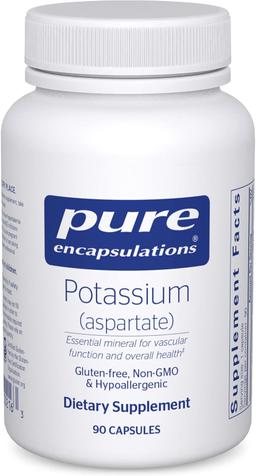
The Potassium supplement by Pure Encapsulations is a dietary supplement designed to support cardiovascular health, muscle function, and electrolyte balance, using high-quality, hypoallergenic ingredients.
Strength: 200mg
Buy now
Potassium (as gluconate)
Expert Research
Recommended
Recommended

Calcium Citrate
by Solaray

The Calcium supplement by Solaray is designed to support bone health and overall wellness by providing a high-quality, bioavailable form of calcium.
Strength: 200mg
Buy now
Calcium Citrate
Expert Research
Recommended
Recommended
Magnesium (as Magnesium Citrate)
by Pure Encapsulations

Pure Encapsulations Magnesium supplement is a dietary supplement designed to support overall health by providing highly bioavailable magnesium to aid in muscle function, energy production, and cardiovascular health.
Strength: 150 mg
Buy now
Magnesium (as Magnesium Citrate)
Expert Research
Recommended
Recommended
Antidote is a free resource, supported among other sources by affiliate commissions for purchases made through links on our site. Read full disclaimer
Next Steps
Save this report and share it with your healthcare provider or a family member
Ask our expert AI assistant additional questions related to Plendil.