Create an account to receive alerts on new research
SaveShareAsk AI
Pediapred
Depletes
Prolonged use of Pediapred can impact 6 essential nutrients.
Chromium
Research has found that corticosteroids increased chromium excretion in patients after just three days. Chromium is an essential mineral that helps regulate blood sugar levels. This is important because corticosteroids themselves can raise blood sugar, contributing to diabetes. Evidence suggests that chromium supplementation improved fasting blood glucose levels in patients with steroid-induced diabetes.
Replace with Chromium Polynicotinate (200 mcg)
Research: Mohn ES, Kern HJ, Saltzman E, Mitmesser SH, McKay DL. Evidence of Drug-Nutrient Interactions with Chronic Use of Commonly...
Vitamin D
Research suggests corticosteroids can lower vitamin D levels in the body by increasing its breakdown. This is a concern because vitamin D plays a crucial role in bone health and the immune system, and corticosteroids themselves can weaken bones. A study found that calcium and vitamin D3 supplements helped prevent bone loss in the lower back (lumbar spine) and hip (trochanter) for people with rheumatoid arthritis who were on low-dose corticosteroids. Evidence suggests vitamin D may work synergistically together with corticosteroids to improve asthma treatment by boosting the effectiveness of corticosteroids or by overcoming resistance to these medications in some patients.
Replace with Vitamin D3 (Cholcalciferol) (1000 IU) (25 mcg)
Research: Banerjee A, Damera G, Bhandare R, Gu S, Lopez-Boado Y, Panettieri R Jr, Tliba O. Vitamin D and glucocorticoids...
Magnesium
Corticosteroids can increase the body's excretion of magnesium, potentially leading to a deficiency. This is concerning because magnesium plays a vital role in many bodily functions, including muscle and nerve function. Research suggests that magnesium supplementation alleviated corticosteroid therapy associated muscle atrophy. Supplementation with magnesium should be considered during long term corticosteroid therapy.
Replace with Magnesium Citrate (75 mg)
Research: Schutten JC, Joris PJ, Minović I, Post A, van Beek AP, de Borst MH, Mensink RP, Bakker SJL. Long-term magnesium...
Potassium
Maintaining healthy potassium levels is important when taking corticosteroids. These medications can increase the amount of potassium the body loses through urine. Potassium is a vital mineral that helps muscles and nerves function properly. While short-term use of corticosteroids might not cause significant problems, studies suggest that with prolonged treatment, the body's ability to maintain proper potassium balance (homeostasis) can be affected.
Replace with Potassium (as gluconate) (99 mg)
Research: Pariury H, Willhoite J, Michlitsch J, Agrawal A. Potassium supplementation mitigates corticosteroid-induced neuropsychiatric...
Selenium
Corticosteroids can increase the urinary loss of selenium elevating the risk for deficient levels. Selenium is a mineral that acts as an antioxidant, helping protect cells from damage. Studies have shown that rheumatoid arthritis patients taking high doses of corticosteroids tend to have lower selenium levels. This is concerning because low selenium intake is linked to osteoporosis, and selenium has been shown to play a role in bone protection in animal models of corticosteroid-induced osteoporosis. Supplementation with selenium should be considered during long term corticosteroid therapy.
Replace with Selenium (as Se-Methyl L-Selenocysteine, L-selenomethionine (yeast free), sodium selenite) (150 mcg)
Research: Luo Y, Xiang Y, Lu B, Tan X, Li Y, Mao H, Huang Q. Association between dietary selenium intake and the prevalence of...
Calcium
Corticosteroids can lower calcium levels in the body. This is a double threat to bone health because corticosteroids themselves can weaken bones. Calcium is essential for strong bones, and a study showed that supplementing with both calcium and vitamin D3 helped prevent bone loss in people with rheumatoid arthritis taking corticosteroids. Supplementation with calcium should be considered during long term corticosteroid therapy.
Replace with Calcium Citrate (75 mg)
Research: Homik J, Suarez-Almazor ME, Shea B, Cranney A, Wells G, Tugwell P. Calcium and vitamin D for corticosteroid-induced...
Health Impact
Pediapred-induced nutrient depletion can lead to a range of health problems
Higher Heart Attack Risk
Chromium deficiency has been linked to higher cardiovascular risk because low chromium status can impair both glucose and lipid metabolism, driving compensatory hyperinsulinemia that promotes atherogenic changes over time. Studies have reported markedly lower plasma chromium levels in patients with established coronary artery disease compared with healthy controls, suggesting that inadequate chromium may be more common in people with overt atherosclerosis. Mechanistically, chromium insufficiency can worsen insulin resistance, elevate circulating insulin, and contribute to dyslipidemia, supporting the idea that unrecognized chromium deficiency may act as an upstream, modifiable risk factor in the development and progression of cardiovascular disease.
Research: Guallar E, Jiménez FJ, van 't Veer P, Bode P, Riemersma RA, Gómez-Aracena J, Kark JD, Arab L, Kok FJ, Martín-Moreno JM;...
Irregular Heartbeat & Heart Risks
Low or depleted magnesium levels are associated with a higher likelihood of several cardiovascular problems, including arrhythmias, where people with low magnesium have been shown to have 2–4 times higher odds of these rhythm disturbances compared with those with normal levels. Low magnesium is also linked to worsening coronary artery disease, progression of heart failure, and development or aggravation of hypertension, driven by disrupted cardiac electrical stability, vascular function, and electrolyte balance. Even mild magnesium depletion may contribute to higher blood pressure over time, adding to the overall cardiovascular burden, especially in individuals with existing heart disease or multiple risk factors.
Research: Kolte D, Vijayaraghavan K, Khera S, Sica DA, Frishman WH. Role of magnesium in cardiovascular diseases. Cardiol Rev. 2014...
Irregular Heart Rhythm
Potassium deficiency can destabilize the heart’s electrical system, so hypokalemia is a well‑known trigger for cardiac arrhythmias and can present with palpitations, “skipped beats,” or more dangerous rhythm disturbances even before other symptoms are obvious. As serum potassium drops, characteristic ECG changes (flattened or inverted T waves, ST‑segment depression, prominent U waves, and QT‑interval prolongation) reflect impaired repolarization, which can progress to premature ventricular contractions, atrial fibrillation, ventricular tachycardia, torsade de pointes, or even ventricular fibrillation and cardiac arrest in severe cases. Observational data show that hypokalemia and even low‑normal potassium levels increase the risk of ventricular arrhythmias and sudden cardiac death in people with underlying heart disease, highlighting the importance of monitoring and promptly correcting potassium deficits in hospitalized and high‑risk patients.
Research: Krijthe BP, Heeringa J, Kors JA, Hofman A, Franco OH, Witteman JC, Stricker BH. Serum potassium levels and the risk of...
Possible Higher Cancer Risk
For someone wondering whether low selenium is “just a lab number,” very low selenium status has been linked in epidemiologic research to a higher risk of cancer over time, especially when blood levels fall below roughly 70 µg/L. In one nested case‑control study, women with serum selenium at or below this level had more than double the overall cancer risk compared with those in the 80–90 µg/L range (odds ratio about 2.6, with confidence intervals that did not cross 1), which fits broader data showing higher cancer rates in clearly deficient populations. At the same time, experts still debate the exact causal role and ideal target range, so the practical takeaway is that identifying and correcting frank selenium deficiency—rather than pushing to very high intakes—may be a sensible strategy for people at risk who want to support long‑term cellular and immune health.
Research: Narod SA, Huzarski T, Jakubowska A, Gronwald J, Cybulski C, Oszurek O, Dębniak T, Jaworska-Bieniek K, Lener M, Białkowska K,...
High Blood Pressure & Heart Risk
Across the lifespan, chronically low calcium intake has been linked to higher blood pressure, in part because calcium plays a key role in vascular smooth‑muscle contraction, sodium handling, and endothelial function. Large epidemiologic studies and randomized trials suggest that individuals with higher dietary calcium intake tend to have modestly lower systolic and diastolic blood pressures and may experience a small but meaningful reduction in risk of stroke and other cardiovascular events. The practical takeaway is that maintaining adequate daily calcium, alongside blood pressure control, exercise, and a heart‑healthy diet, may be an underutilized strategy to support vascular health and reduce long‑term cardiovascular risk.
Research: Kim MH, Bu SY, Choi MK. Daily calcium intake and its relation to blood pressure, blood lipids, and oxidative stress...
Higher Type 2 Diabetes Risk
In observational and clinical data, low chromium status has been associated with impaired insulin signaling and may contribute to the long‑term development of type 2 diabetes in susceptible individuals. Chromium acts as a cofactor that helps insulin work more efficiently at its receptor and through downstream signaling pathways, so deficiency can worsen glucose intolerance, increase circulating insulin needs, and exacerbate other metabolic risk factors over time. Population analyses have reported lower odds of having type 2 diabetes among adults who regularly consume chromium‑containing supplements compared with non‑users, though trial results remain mixed, suggesting that chromium repletion may be most relevant in people with documented deficiency or marked insulin resistance rather than as a universal preventive strategy.
Research: Anderson RA, Cheng N, Bryden NA, Polansky MM, Cheng N, Chi J, Feng J. Elevated intakes of supplemental chromium improve...
Type 2 Diabetes & Metabolic Syndrome
Low or depleted magnesium levels place people with diabetes and metabolic syndrome (MetSyn) at higher risk of worsening glycemic control and insulin resistance because magnesium is essential for normal glucose metabolism and beta-cell function. When magnesium is low, these metabolic pathways become less efficient, amplifying blood sugar instability, lipid abnormalities, and other MetSyn features. Even moderate depletion can accelerate type 2 diabetes and MetSyn-related complications, underscoring the need for monitoring magnesium status in these vulnerable groups.
Research: Gommers LM, Hoenderop JG, Bindels RJ, de Baaij JH. Hypomagnesemia in Type 2 Diabetes: A Vicious Circle? Diabetes. 2016...
Side Effects
Common side effects of Pediapred, some of which may be related to nutrient depletion
Review
Common side effects of Pediapred (prednisolone) may include:
1. Nausea and vomiting
2. Upset stomach
3. Headache
4. Dizziness
5. Fluid retention
6. Increased appetite and weight gain
7. Trouble sleeping
8. Acne or skin rashes
9. Mood changes, such as irritability or agitation
10. Weakness or fatigue
Serious side effects may also occur, although they are less common. These can include:
1. Severe allergic reactions
2. High blood pressure
3. Cataracts or glaucoma
4. Blood disorders, such as low levels of white blood cells or platelets
5. Osteoporosis or bone fractures
6. Muscle weakness or loss of muscle mass
7. Increased risk of infections
8. Worsening of existing medical conditions, such as diabetes or hypertension
9. Adrenal gland suppression
10. Growth retardation in children
It is important to discuss any potential side effects with your healthcare provider before starting treatment with Pediapred.
1. Nausea and vomiting
2. Upset stomach
3. Headache
4. Dizziness
5. Fluid retention
6. Increased appetite and weight gain
7. Trouble sleeping
8. Acne or skin rashes
9. Mood changes, such as irritability or agitation
10. Weakness or fatigue
Serious side effects may also occur, although they are less common. These can include:
1. Severe allergic reactions
2. High blood pressure
3. Cataracts or glaucoma
4. Blood disorders, such as low levels of white blood cells or platelets
5. Osteoporosis or bone fractures
6. Muscle weakness or loss of muscle mass
7. Increased risk of infections
8. Worsening of existing medical conditions, such as diabetes or hypertension
9. Adrenal gland suppression
10. Growth retardation in children
It is important to discuss any potential side effects with your healthcare provider before starting treatment with Pediapred.
Get Support
We've curated a list of vetted, recommended individual nutrient third-party supplements.
Shop Third-Party Supplements

Chromium Picolinate
by Pure Encapsulations
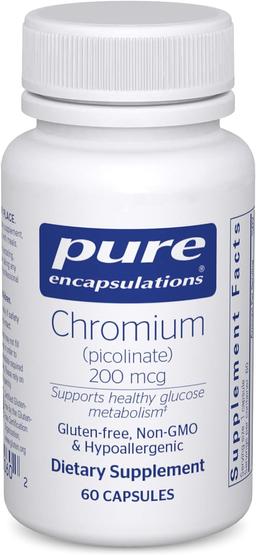
Pure Encapsulations Chromium supplement is a dietary supplement designed to support healthy glucose metabolism and overall metabolic function, using a highly bioavailable form of chromium.
Strength: 200 mcg
Buy now
Chromium Picolinate
Expert Research
Recommended
Recommended
Potassium (as gluconate)
by Pure Encapsulations

The Potassium supplement by Pure Encapsulations is a dietary supplement designed to support cardiovascular health, muscle function, and electrolyte balance, using high-quality, hypoallergenic ingredients.
Strength: 200mg
Buy now
Potassium (as gluconate)
Expert Research
Recommended
Recommended

Calcium Citrate
by Solaray

The Calcium supplement by Solaray is designed to support bone health and overall wellness by providing a high-quality, bioavailable form of calcium.
Strength: 200mg
Buy now
Calcium Citrate
Expert Research
Recommended
Recommended
Magnesium (as Magnesium Citrate)
by Pure Encapsulations

Pure Encapsulations Magnesium supplement is a dietary supplement designed to support overall health by providing highly bioavailable magnesium to aid in muscle function, energy production, and cardiovascular health.
Strength: 150 mg
Buy now
Magnesium (as Magnesium Citrate)
Expert Research
Recommended
Recommended
Selenium (as L-selenomethionine)
by Pure Encapsulations

The Selenium supplement by Pure Encapsulations is a dietary supplement designed to support antioxidant defenses and overall health by providing a bioavailable form of selenium, an essential trace mineral.
Strength: 200 mcg
Buy now
Selenium (as L-selenomethionine)
Expert Research
Recommended
Recommended
Antidote is a free resource, supported among other sources by affiliate commissions for purchases made through links on our site. Read full disclaimer
Next Steps
Save this report and share it with your healthcare provider or a family member
Ask our expert AI assistant additional questions related to Pediapred.