Create an account to receive alerts on new research
SaveShareAsk AI
Paxil
Depletes
Prolonged use of Paxil can impact 9 essential nutrients.
Chromium
Research suggests the trace mineral chromium may offer some benefits for people experiencing depression, particularly those with atypical depression. Atypical depression is characterized by symptoms like increased appetite, carbohydrate cravings, and weight gain, alongside feelings of sadness and low mood. Studies show chromium supplementation might improve these specific symptoms in people with atypical depression who also have strong carbohydrate cravings. The potential explanation lies in chromium's possible effects on insulin utilization and brain chemicals like serotonin and norepinephrine, both of which are involved in mood regulation. Supplementation with chromium is suggested to support mood and help protect against depression.
Replace with Chromium Picolinate (200 mcg)
Research: Docherty JP, Sack DA, Roffman M, Finch M, Komorowski JR. A double-blind, placebo-controlled, exploratory trial of chromium...
Folic Acid
Research suggests that folic acid supplementation can significantly improve the effectiveness of SSRI medications such as fluoxetine (commonly known as Prozac). This benefit seems to be linked to lowering blood levels of homocysteine, an amino acid. Elevated homocysteine levels have been associated with depression. Supplementing with sufficient folic acid may help the body regulate homocysteine levels, potentially creating a more favorable environment for antidepressants to work effectively.
Replace with Folate (0.2mg as L-5-Methylfolate) (0.34 DFE)
Research: Alec Coppen, John Bailey. Enhancement of the antidepressant action of fluoxetine by folic acid: a randomised, placebo...
Also Benefits From:
Selenium
Selenium is a mineral that has emerged as a potential player in mood regulation. Studies demonstrate a link between lower dietary selenium intake and an increased risk of depression. Researchers propose that selenium's role as an antioxidant and a building block for proteins involved in cellular balance (redox homeostasis) might be a reason for this connection. The antioxidant properties could be particularly relevant because chronic inflammation and oxidative stress are implicated in depression.
Research: Pasco JA, Jacka FN, Williams LJ, Evans-Cleverdon M, Brennan SL, Kotowicz MA, Nicholson GC, Ball MJ, Berk M. Dietary selenium...
Vitamin B12
Vitamin B12, also known as cobalamin, is a crucial nutrient involved in various bodily functions. A deficiency in this nutrient can lead to neurological and psychiatric problems, including depression. Vitamin B12 is involved in the production of neurotransmitters which play a key role in regulating mood, sleep, and motivation. Insufficient levels of B12 can disrupt their production, leading to symptoms of depression like low mood, fatigue, and loss of interest in activities. A severe B12 deficiency can damage the myelin sheath, a protective layer around nerves. This damage can interfere with nerve signals, leading to symptoms like memory problems, anxiety, and depression.
Research: Syed EU, Wasay M, Awan S. Vitamin B12 supplementation in treating major depressive disorder: a randomized controlled trial....
Zinc
Zinc is a mineral that plays a role in the production of neurotransmitters, chemical messengers in the brain that influence mood. Zinc has antioxidant properties that help protect cells from damage caused by free radicals. Chronic inflammation and oxidative stress are implicated in depression, and zinc's antioxidant effects could be beneficial in this regard. Studies have found an inverse association between dietary zinc intake and depression. This means people with lower zinc intake seem to be more likely to experience depression.
Research: Li, Zongyao, et al. Association of total zinc, iron, copper and selenium intakes with depression in the US adults. Journal...
Vitamin K2 (Menaquinone-7)
Research demonstrates that vitamin D3 and K2 can provide greater benefit together. Vitamin D3 and K2 help move calcium into your bones, where it's most beneficial. This prevents calcium buildup in your arteries and blood vessels. Their combined action can boost bone health, promote cardiovascular health, and combat inflammation. Both vitamins show promise in regulating inflammation, a key factor in many health concerns. By collaborating, vitamin D3 and K2 offer a broader spectrum of benefits, potentially protecting against serious illnesses and promoting overall well-being.
Research: Kuang X, Liu C, Guo X, Li K, Deng Q, Li D. The combination effect of vitamin K and vitamin D on human bone quality: a...
Vitamin D3
Vitamin D is a fat-soluble vitamin known for promoting bone health and increasingly recognized for its potential role in various bodily functions. Studies suggest this nutrient may help improve symptoms of depression and anxiety. Research shows that vitamin D supplementation can reverse some of the behavioral changes caused by chronic stress, including anxiety and depression-like behaviors in animal models. This positive effect might be due to vitamin D's ability to reduce inflammation and oxidative stress in the brain, both of which are linked to depression. Additionally, some studies in humans show a connection between low vitamin D levels and depressive symptoms, with supplementation helping improve these symptoms.
Research: Mikola T, et al. The effect of vitamin D supplementation on depressive symptoms in adults: A systematic review and...
Magnesium
Magnesium is a mineral that plays a crucial role in many bodily functions, including muscle and nerve function, blood sugar control, and blood pressure regulation. Research suggests it may also play a part in mood regulation. Studies have found a link between low magnesium intake and depression, particularly in younger adults. Magnesium is involved in various processes that impact mood including neurotransmitter function, stress response, and sleep regulation. Maintaining adequate magnesium levels could be beneficial for mood regulation and reduce the risk of depression.
Research: Jacka FN, Maes M, Pasco JA, Williams LJ, Berk M. Nutrient intakes and the common mental disorders in women. J Affect Disord....
Vitamin B1
Thiamine (vitamin B1), a water-soluble B vitamin essential for energy production and nervous system function, is emerging as a potential player in mood disorders. Beyond its role in energy production, thiamine seems to have a significant impact on the nervous system. Studies suggest it's involved in maintaining healthy neurons, their communication (neurotransmission), and overall nervous system balance (homeostasis). This involvement extends to mood, cognitive function, and even the development of neurodegenerative diseases. Given its crucial role in neurological health and energy production, supplementation is suggested to support mood and protect against depression.
Research: Duc HN, Oh H, Yoon IM, Kim MS. Association between levels of thiamine intake, diabetes, cardiovascular diseases and...
Health Impact
Paxil-induced nutrient depletion can lead to a range of health problems
Higher Heart Attack Risk
Chromium deficiency has been linked to higher cardiovascular risk because low chromium status can impair both glucose and lipid metabolism, driving compensatory hyperinsulinemia that promotes atherogenic changes over time. Studies have reported markedly lower plasma chromium levels in patients with established coronary artery disease compared with healthy controls, suggesting that inadequate chromium may be more common in people with overt atherosclerosis. Mechanistically, chromium insufficiency can worsen insulin resistance, elevate circulating insulin, and contribute to dyslipidemia, supporting the idea that unrecognized chromium deficiency may act as an upstream, modifiable risk factor in the development and progression of cardiovascular disease.
Research: Guallar E, Jiménez FJ, van 't Veer P, Bode P, Riemersma RA, Gómez-Aracena J, Kark JD, Arab L, Kok FJ, Martín-Moreno JM;...
Stroke & Heart Disease Risk
Low folate status contributes to elevated homocysteine, a metabolite that has been associated with endothelial dysfunction, arterial stiffness, and a higher risk of stroke and coronary heart disease. Large observational studies consistently show that individuals with higher homocysteine levels have greater rates of cardiovascular events, and folate intake is one of the key nutritional determinants of homocysteine. Clinically, folic acid supplementation (often combined with vitamins B6 and B12) can lower homocysteine and appears to modestly reduce stroke risk in some populations, making the identification and correction of folate deficiency an important part of broader cardiovascular risk reduction.
Research: Yanping Li, et al. Folic Acid Supplementation and the Risk of Cardiovascular Diseases: A Meta‐Analysis of Randomized...
Birth Defects During Pregnancy
Folate deficiency in the periconceptional period significantly increases the risk of neural tube defects (NTDs) such as spina bifida and anencephaly, because adequate folate is required for proper closure of the embryonic neural tube in the first month of pregnancy. Large observational datasets and randomized trials have shown that appropriate folic acid supplementation before conception and in early pregnancy can reduce NTD risk by roughly 50–70% in the general population, with even greater risk reduction in women with a prior NTD‑affected pregnancy. The practical implication is that all women of childbearing potential, not just those actively planning pregnancy, are typically advised to maintain adequate daily folic acid intake so that red‑cell folate stores are sufficient well before conception occurs.
Research: Viswanathan M, Urrutia RP, Hudson KN, Middleton JC, Kahwati LC. Folic Acid Supplementation to Prevent Neural Tube Defects:...
Higher Type 2 Diabetes Risk
In observational and clinical data, low chromium status has been associated with impaired insulin signaling and may contribute to the long‑term development of type 2 diabetes in susceptible individuals. Chromium acts as a cofactor that helps insulin work more efficiently at its receptor and through downstream signaling pathways, so deficiency can worsen glucose intolerance, increase circulating insulin needs, and exacerbate other metabolic risk factors over time. Population analyses have reported lower odds of having type 2 diabetes among adults who regularly consume chromium‑containing supplements compared with non‑users, though trial results remain mixed, suggesting that chromium repletion may be most relevant in people with documented deficiency or marked insulin resistance rather than as a universal preventive strategy.
Research: Anderson RA, Cheng N, Bryden NA, Polansky MM, Cheng N, Chi J, Feng J. Elevated intakes of supplemental chromium improve...
Memory Loss & Mental Decline
In older adults, low folate status has been associated with a higher risk of mild cognitive impairment (MCI) and faster cognitive decline over time, likely through effects on one‑carbon metabolism and homocysteine. Several longitudinal cohort studies have found that individuals with lower serum or red‑cell folate and higher homocysteine show steeper declines on memory and global cognition tests, and in some cohorts have a significantly higher incidence of MCI or dementia over follow‑up. The clinically important takeaway is that, when folate deficiency is detected and corrected (usually along with ensuring adequate vitamin B12), some patients demonstrate stabilization or modest improvement in cognitive performance, particularly when interventions are combined with aggressive management of vascular risk factors such as hypertension and diabetes.
Research: Ma, F., Wu, T., Zhao, J. et al. Folic acid supplementation improves cognitive function by reducing the levels of peripheral...
Blood Sugar & Insulin Issues
In clinical settings, chromium deficiency has been linked to impaired glucose tolerance and emerging insulin resistance, particularly in patients on long‑term total parenteral nutrition where trace‑element provision is inadequate. Chromium functions as a cofactor that helps insulin signal more effectively at its receptor, so low chromium status can worsen post‑meal glucose excursions and increase insulin requirements despite otherwise unchanged diet or medications. Case reports and small series describe patients with unexplained hyperglycemia and neuropathic symptoms whose glucose tolerance, insulin sensitivity, and sometimes weight trajectory improved after chromium was added back to their nutrition support, underscoring that unrecognized deficiency can masquerade as primary type 2 diabetes or “idiopathic” insulin resistance.
Research: Brown RO, Forloines-Lynn S, Cross RE, Heizer WD. Chromium deficiency after long-term total parenteral nutrition. Dig Dis...
Confusion & Trouble Thinking
Chromium deficiency has been associated with episodes of confusion and broader cognitive impairment, particularly in patients on long‑term parenteral nutrition who also show impaired glucose tolerance and emerging insulin resistance. Case descriptions suggest that when chromium is extremely low, fluctuating blood glucose and high circulating insulin may contribute to “brain fog,” slowed processing, and difficulty concentrating, sometimes improving after chromium is added back to the nutrition regimen. While large, definitive trials on cognition are lacking, these observations raise the possibility that unrecognized chromium deficiency in people with metabolic instability could quietly worsen cognitive performance and that chromium repletion may help in deficiency states.
Research: Offenbacher, E.G. Chromium in the elderly. Biol Trace Elem Res 32, 123–131 (1992). Krikorian R, Eliassen JC, Boespflug EL,...
Side Effects
Common side effects of Paxil, some of which may be related to nutrient depletion
Review
Common side effects of Paxil (paroxetine) may include:
1. Nausea
2. Drowsiness
3. Dry mouth
4. Sweating
5. Dizziness
6. Insomnia
7. Weight gain
8. Sexual dysfunction (such as decreased libido, erectile dysfunction, or difficulty achieving orgasm)
9. Headache
10. Constipation
Serious side effects that may require immediate medical attention include:
1. Suicidal thoughts or behaviors
2. Seizures
3. Serotonin syndrome (signs may include confusion, rapid heart rate, increased body temperature, and elevated blood pressure)
4. Allergic reaction (such as rash, itching, swelling, or difficulty breathing)
It is important to speak with your healthcare provider if you experience any concerning side effects while taking Paxil.
1. Nausea
2. Drowsiness
3. Dry mouth
4. Sweating
5. Dizziness
6. Insomnia
7. Weight gain
8. Sexual dysfunction (such as decreased libido, erectile dysfunction, or difficulty achieving orgasm)
9. Headache
10. Constipation
Serious side effects that may require immediate medical attention include:
1. Suicidal thoughts or behaviors
2. Seizures
3. Serotonin syndrome (signs may include confusion, rapid heart rate, increased body temperature, and elevated blood pressure)
4. Allergic reaction (such as rash, itching, swelling, or difficulty breathing)
It is important to speak with your healthcare provider if you experience any concerning side effects while taking Paxil.
Get Support
We've developed a formula to replenish the nutrients depleted by Paxil.

Shop Third-Party Supplements

Chromium Picolinate
by Pure Encapsulations
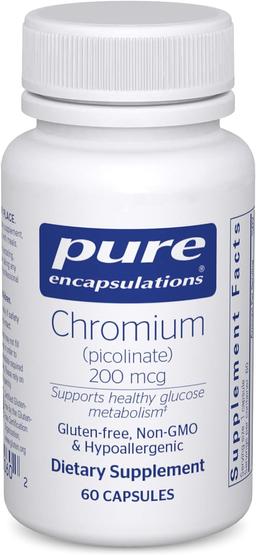
Pure Encapsulations Chromium supplement is a dietary supplement designed to support healthy glucose metabolism and overall metabolic function, using a highly bioavailable form of chromium.
Strength: 200 mcg
Buy now
Chromium Picolinate
Expert Research
Recommended
Recommended
Folate
by Pure Encapsulations
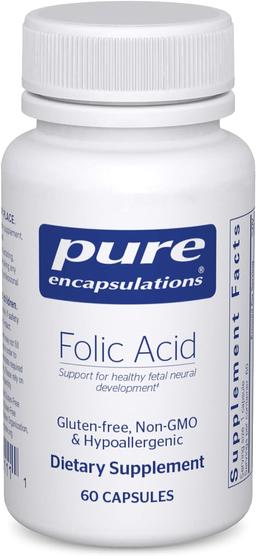
Pure Encapsulations' Folic Acid supplement provides a high-quality, bioavailable form of folic acid to support healthy fetal development, cardiovascular health, and overall cellular function.
Strength: 800 mcg
Buy now
Folate
Expert Research
Recommended
Recommended
Antidote is a free resource, supported among other sources by affiliate commissions for purchases made through links on our site. Read full disclaimer
Next Steps
Save this report and share it with your healthcare provider or a family member
Ask our expert AI assistant additional questions related to Paxil.