Create an account to receive alerts on new research
SaveShareAsk AI
Painaid
Depletes
Prolonged use of Painaid can impact 7 essential nutrients.
Zinc
Studies indicate that medications like aspirin can increase zinc loss through urine. Zinc plays a vital role in wound healing, protein synthesis, cell reproduction, immunity, and vision. If you take aspirin regularly, consider monitoring zinc levels and supplementation may be beneficial to prevent a deficiency.
Replace with Zinc Bisglycinate (12.5 mg)
Research: Babu SSN, Singla S, Jena G. Role of Combination Treatment of Aspirin and Zinc in DMH-DSS-induced Colon Inflammation,...
Vitamin C
Research suggests that taking Vitamin C alongside Acetaminophen might prolong the medication's presence in the bloodstream. This could potentially allow for lower Acetaminophen doses, thereby reducing the risk of side effects.
Replace with Vitamin C Ascorbic Acid (200 mg)
Research: Matić MM, Paunović MG, Milošević MD, Ognjanović BI, Saičić ZS. Hematoprotective effects and antioxidant properties of...
Milk Thistle
Milk thistle (Silybum marianum) contains a group of complex flavonoids called silymarin. This natural compound has been shown to increase glutathione levels in the liver. Acetaminophen, a widely used pain reliever and fever reducer, can be harmful to the liver in high doses or for people with certain risk factors. Research suggests that silymarin may help elevate glutathione levels within the liver. Glutathione is an important antioxidant that the body uses to combat damage, and its depletion is believed to play a role in how acetaminophen harms the liver.
Replace with Milk Thistle (Silybum marianum) (seed) Standardized 80% Silymarin Flavonoids) (200 mg)
Research: Abdilkerim Oyman, et al. Protective Effects of Silymarin on Acetaminophen-Induced Toxic Hepatitis. EJMA 2022;2(1):1–6. Noor...
Niacinamide
Acetaminophen, a common pain reliever and fever reducer, is generally safe at recommended doses. However, overdosing can lead to severe oxidative stress, a cellular imbalance that damages the liver and can cause acute liver failure. Niacinamide, a form of vitamin B3, has been shown to be effective in mitigating many conditions caused by oxidative stress. Recent research specifically investigated its ability to protect the liver from acetaminophen damage. The study found that niacinamide offered both preventive (prophylactic) and treatment (therapeutic) benefits.
Replace with Niacinamide (100 mg)
Research: Mahmoud YI, Mahmoud AA. Role of nicotinamide (vitamin B3) in acetaminophen-induced changes in rat liver: Nicotinamide effect...
NAC
Studies suggest that acetaminophen may cause liver damage in high doses or with certain risk factors. N-acetylcysteine (NAC) has been shown to offer protective benefits for the liver against the potential toxic effects of acetaminophen.
Replace with N-Acetylcysteine (200 mg)
Research: Hendrickson RG. What is the most appropriate dose of N-acetylcysteine after massive acetaminophen overdose? Clin Toxicol...
Vitamin B12
Research found that individuals hospitalized with heart disease and a history of aspirin use were nearly twice as likely to have low or borderline vitamin B12 levels compared to non-aspirin users. While this doesn't definitively prove aspirin causes B12 deficiency, it raises a potential link. Aspirin can irritate the stomach lining in some individuals. This is concerning because the stomach plays a crucial role in vitamin B12 absorption by producing hydrochloric acid and intrinsic factor. Both are essential for proper B12 uptake.
Replace with Vitamin B12 Methylcobalamin (0.2 mg)
Research: van Oijen MG, Laheij RJ, Peters WH, Jansen JB, Verheugt FW; BACH study. Association of aspirin use with vitamin B12...
Also Benefits From:
Omega 3
Omega-3 fatty acids offer promise for managing pain associated with osteoarthritis (OA). Research suggests they may work by reducing inflammation, a key contributor to OA pain and stiffness. Studies involving over 2000 patients with OA showed that omega-3 supplementation significantly lessened joint pain compared to a placebo. This improvement was accompanied by increased joint function, suggesting omega-3s might help people with OA move more easily and comfortably.
Research: Kuszewski JC, Wong RHX, Howe PRC. Fish oil supplementation reduces osteoarthritis-specific pain in older adults with...
Health Impact
Painaid-induced nutrient depletion can lead to a range of health problems
Memory Loss & Dementia
Vitamin B12 deficiency is strongly associated with cognitive impairment, including problems with memory, attention, and executive function, and is considered a reversible cause of dementia when caught early. Low or borderline B12 levels are more common in older adults, particularly those with atrophic gastritis, long-term use of acid-suppressing medications, or vegetarian/vegan diets, and studies show that deficient individuals often perform worse on cognitive tests than those with adequate status. Clinically, correcting B12 deficiency can lead to measurable improvements in cognition and mood in some patients, which is why B12 levels are routinely checked in the evaluation of cognitive decline and suspected dementia.
Research: Jatoi S, Hafeez A, Riaz SU, Ali A, Ghauri MI, Zehra M. Low Vitamin B12 Levels: An Underestimated Cause Of Minimal Cognitive...
Age-Related Vision Loss
Low zinc status has been linked to a higher risk and faster progression of age-related macular degeneration (AMD), in part because zinc is concentrated in the retina and supports antioxidant defenses there. In the landmark AREDS trial, a supplement formula containing zinc (80 mg as zinc oxide), along with antioxidants, reduced the risk of progression to advanced AMD by about 25% in people with intermediate disease or advanced disease in one eye over roughly 5 years. Other research has shown that inadequate zinc intake is more common in older adults with AMD, reinforcing the idea that maintaining healthy zinc levels may be an important, and often overlooked, strategy for preserving macular health with age.
Research: Smailhodzic D, van Asten F, Blom AM, Mohlin FC, den Hollander AI, van de Ven JPH, et al. (2014) Zinc Supplementation...
Eye Bleeding & Vision Issues
Vitamin C deficiency weakens collagen in capillary and vascular walls, so severe scurvy can present with ocular hemorrhages in the conjunctiva and retina that threaten vision if not treated. Case reports and small series describe retinal hemorrhages, flame‑shaped hemorrhages, and even retrobulbar bleeding compressing the optic nerve, which can lead to optic neuropathy and visual loss in advanced cases. The encouraging point is that, when vitamin C deficiency is recognized early and promptly repleted, many ocular hemorrhages and visual symptoms can partially or fully resolve, making it critical to consider vitamin C status in patients with otherwise unexplained ocular bleeding and visual complaints.
Research: Errera MH, Dupas B, Man H, Gualino V, Gaudric A, Massin P. Une cause inhabituelle d'anomalies rétiniennes, hémorragies...
Heart & Metabolism Risks
Low or deficient vitamin B12 status elevates homocysteine levels by impairing its conversion to methionine, a process that requires B12 as a cofactor. This hyperhomocysteinemia is linked to increased cardiovascular risks, including atherosclerosis, heart disease, and stroke, through vascular inflammation and endothelial damage. Additionally, low B12 contributes to metabolic disturbances like insulin resistance and type 2 diabetes risk, compounding heart health concerns in susceptible individuals.
Research: Sucharita S, Thomas T, Antony B, Vaz M. Vitamin B12 supplementation improves heart rate variability in healthy elderly...
Weak Bones & Fractures
Low or depleted vitamin B12 status is linked to reduced bone mineral density (BMD), increasing osteoporosis risk in both men and women. Individuals with low B12 show significantly lower BMD at key sites like the hip and spine compared to those with adequate levels. Routine serum B12 monitoring, alongside periodic bone density scans and supplementation for at-risk groups, helps preserve bone health and mitigate fracture risks.
Research: Stone KL, Bauer DC, Sellmeyer D, Cummings SR. Low serum vitamin B-12 levels are associated with increased hip bone loss in...
Brain Fog & Neurological Effects
Zinc deficiency has been associated with a range of neurological and behavioral changes, including increased irritability, poor attention, and slowed cognitive processing. In children, low zinc status has been linked to poorer performance on tests of attention, memory, and school achievement, and some trials have found that zinc supplementation can modestly improve certain cognitive scores, especially in previously deficient populations. Clinically, even mild zinc deficiency may present with subtle symptoms such as mood changes, reduced stress tolerance, and “brain fog,” which can easily be overlooked but may improve when zinc status is corrected.
Research: de Moura JE, de Moura EN, Alves CX, Vale SH, Dantas MM, Silva Ade A, Almeida Md, Leite LD, Brandão-Neto J. Oral zinc...
Fertility & Hormone Problems
Closely linked to reproductive and hormonal problems in both men and women, zinc deficiency can contribute to hypogonadism, low testosterone, reduced sperm count, and menstrual irregularities. In men, low zinc status has been associated with decreased serum testosterone, reduced sperm density and motility, and poorer overall semen quality, while zinc repletion in deficient individuals has been shown to improve some of these parameters. In women, inadequate zinc intake is tied to more frequent cycle disturbances, dysmenorrhea, and potential impacts on ovulation and fertility, underscoring zinc’s important role in healthy hormonal balance and reproductive function.
Research: Zhao J, Dong X, Hu X, Long Z, Wang L, Liu Q, Sun B, Wang Q, Wu Q, Li L. Zinc levels in seminal plasma and their correlation...
Side Effects
Common side effects of Painaid, some of which may be related to nutrient depletion
Review
Side effects of Analgesics drug Painaid may include:
1. Nausea
2. Vomiting
3. Gastric irritation
4. Dizziness
5. Drowsiness
6. Headache
7. Constipation
8. Allergic reactions such as itching, rash, swelling, or difficulty breathing
9. Liver or kidney damage with long-term use
10. GI bleeding or ulcers with high doses or prolonged use.
It is important to consult with a healthcare provider before taking any medication, and to follow the recommended dosage and precautions to minimize the risk of side effects.
1. Nausea
2. Vomiting
3. Gastric irritation
4. Dizziness
5. Drowsiness
6. Headache
7. Constipation
8. Allergic reactions such as itching, rash, swelling, or difficulty breathing
9. Liver or kidney damage with long-term use
10. GI bleeding or ulcers with high doses or prolonged use.
It is important to consult with a healthcare provider before taking any medication, and to follow the recommended dosage and precautions to minimize the risk of side effects.
Get Support
We've developed a formula to replenish the nutrients depleted by Painaid.

Shop Third-Party Supplements

Zinc Bisglycinate
by Pure Encapsulations
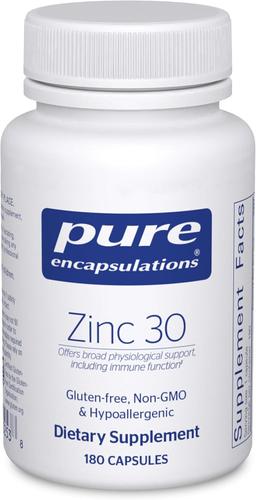
The Zinc supplement by Pure Encapsulations is a dietary supplement designed to support immune function and overall health, featuring highly bioavailable zinc in a hypoallergenic, vegetarian capsule.
Strength: 15 mg
Buy now
Zinc Bisglycinate
Expert Research
Recommended
Recommended
N-Acetyl-L-Cysteine
by Pure Encapsulations
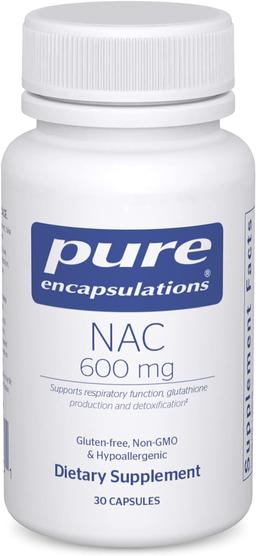
The NAC supplement by Pure Encapsulations provides N-Acetyl-L-Cysteine, an antioxidant that supports cellular health, detoxification, and immune function.
Strength: 600 mg
Buy now
N-Acetyl-L-Cysteine
Expert Research
Recommended
Recommended
Vitamin C (Ascorbic Acid)
by Pure Encapsulations
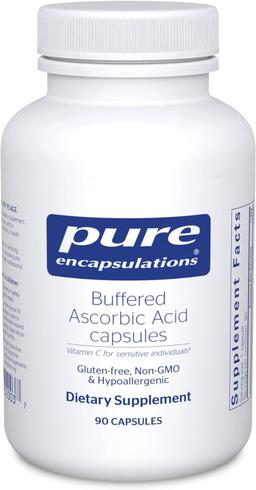
Pure Encapsulations' Vitamin C supplement is a high-quality, hypoallergenic product designed to support immune function, collagen production, and antioxidant protection.
Strength: 200 mcg
Buy now
Vitamin C (Ascorbic Acid)
Expert Research
Recommended
Recommended
Milk Thistle (Silybum marianum) (seed) Standardized 80% Silymarin Flavonoids)
by Pure Encapsulations
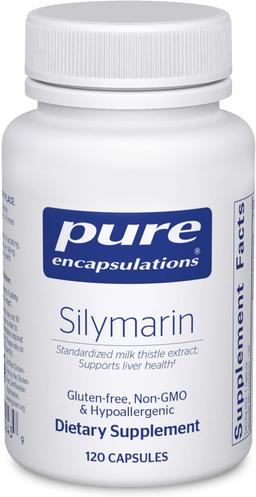
The Milk Thistle supplement by Pure Encapsulations is a dietary supplement designed to support liver health and detoxification, made with high-quality, standardized milk thistle extract.
Strength: 250 mg
Buy now
Milk Thistle (Silybum marianum) (seed) Standardized 80% Silymarin Flavonoids)
Expert Research
Recommended
Recommended
Niacinamide
by Pure Encapsulations
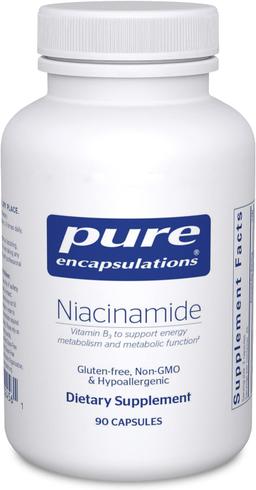
The Niacinamide supplement by Pure Encapsulations is a high-quality, hypoallergenic dietary supplement designed to support healthy skin, joints, and overall cellular function by providing a bioavailable form of vitamin B3.
Strength: 100 mg
Buy now
Niacinamide
Expert Research
Recommended
Recommended
Vitamin B12 Methylcobalamin
by Pure Encapsulations
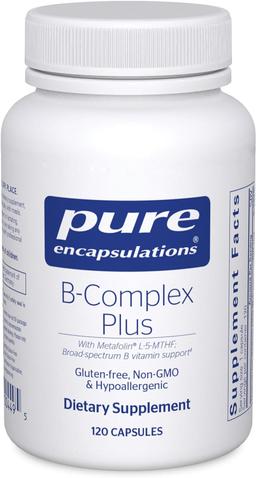
Pure Encapsulations' Vitamin B12 supplement provides a high-quality, bioavailable form of vitamin B12 to support energy production, neurological function, and overall health.
Strength: 0.2 mg
Buy now
Vitamin B12 Methylcobalamin
Expert Research
Recommended
Recommended
Antidote is a free resource, supported among other sources by affiliate commissions for purchases made through links on our site. Read full disclaimer
Next Steps
Save this report and share it with your healthcare provider or a family member
Ask our expert AI assistant additional questions related to Painaid.