Create an account to receive alerts on new research
SaveShareAsk AI
Nebivolol + Valsartan
Depletes
Prolonged use of Nebivolol + Valsartan can impact 8 essential nutrients.
CoQ10
This drug is a comprehensive combination of a beta blocker and angiotensin receptor blocker. Coenzyme Q10 (CoQ10) plays a vital role in cellular energy production. However, our ability to produce CoQ10 naturally declines with age, and dietary sources rarely provide therapeutic levels. Additionally, beta-blocker medications can further deplete CoQ10 stores. Therefore, individuals taking beta-blockers may benefit from CoQ10 supplementation.
Replace with 50% Ubiquinone and 50% Ubiquinol (50 mg)
Research: Garrido-Maraver J, Cordero MD, Oropesa-Ávila M, Fernández Vega A, de la Mata M, Delgado Pavón A, de Miguel M, Pérez Calero...
Zinc
This drug is a comprehensive combination of a beta blocker and angiotensin receptor blocker. Studies have shown that treatment with medications like Angiotensin Receptor Blockers (ARBs) can lead to zincuria, which is increased urinary excretion of zinc. This increased excretion may potentially lead to zinc deficiency in some individuals and therefore supplementation should be considered.
Replace with Zinc (as zinc bisglycinate and (TRAACS™) (12.5 mg)
Research: Braun LA, Rosenfeldt F. Pharmaco-nutrient interactions - a systematic review of zinc and antihypertensive therapy. Int J...
Also Benefits From:
Grape Seed Extract
Grape Seed Extracts (GSE) are rich in polyphenols, specifically proanthocyanadins, that provide benefits to the cardiovascular system especially in area of inflammation, hypertension and cardiovascular disease. Studies suggest that the consumption of GSE that is rich in proanthocyanadins, helps protect against myocardial injury, helps lower blood pressure, reduce inflammation, decrease the size of carotid plaque and inhibiting dangerous platelet adhesions and aggregation thereby reducing cardiovascular mortality.
Research: Schön C, Allegrini P, Engelhart-Jentzsch K, Riva A, Petrangolini G. Grape Seed Extract Positively Modulates Blood Pressure...
Taurine
Beyond its general health benefits, Taurine shines for its potential to support a healthy heart and blood pressure. This amino acid boasts anti-inflammatory and antioxidant properties, which may help protect against hypertension. Studies suggest it can modulate blood sugar levels, potentially reducing the risk of diabetes and its complications like heart disease. Taurine's overall impact on the cardiovascular system is promising, with some evidence indicating it may be essential for proper heart function and development.
Research: Ahmadian M, Dabidi Roshan V, Ashourpore E. Taurine Supplementation Improves Functional Capacity, Myocardial Oxygen...
Vitamin C
Vitamin C (Ascorbic acid) goes beyond just immune system support. This powerful antioxidant combats free radicals and oxidative stress, potentially reducing the risk of various diseases. While most recognized for its role in white blood cell production, research suggests Vitamin C may also benefit heart health and blood pressure. It might help protect against damage caused by free radicals in blood vessels, potentially lowering the risk of cardiovascular disease. Additionally, studies indicate Vitamin C may play a role in lowering blood pressure
Research: Guan Y, Dai P, Wang H. Effects of vitamin C supplementation on essential hypertension: A systematic review and...
Niacin
Niacin, a form of vitamin B3, offers a potential double benefit for heart health. It can help lower LDL ("bad") cholesterol and triglycerides, while also raising HDL ("good") cholesterol. This favorable cholesterol profile can reduce the risk of heart disease. But niacin's benefits might extend beyond cholesterol. Some studies suggest it may also play a role in lowering blood pressure. Niacin seems to work by causing blood vessels to relax and dilate, which could improve blood flow and potentially reduce strain on the heart, thereby lowering blood pressure.
Research: Digby JE, Ruparelia N, Choudhury RP. Niacin in cardiovascular disease: recent preclinical and clinical developments....
Vitamin B12
Vitamin B12 plays a crucial role in cardiovascular health by regulating homocysteine levels. Homocysteine is an amino acid, and high levels in the blood are a risk factor for heart attack and stroke. Vitamin B12 acts as a key player in the homocysteine metabolism process, helping to convert it into other beneficial compounds. By keeping homocysteine in check, Vitamin B12 may help reduce the risk of cardiovascular problems.
Research: Celik SF, Celik E. Subclinical atherosclerosis and impaired cardiac autonomic control in pediatric patients with Vitamin B12...
Vitamin B6
Vitamin B6, a crucial B vitamin, plays a significant role in heart health. It helps regulate homocysteine levels in the blood. High homocysteine is a risk factor for atherosclerosis, the buildup of plaque in arteries that can lead to heart disease. By keeping homocysteine in check, Vitamin B6 may help lower the risk of heart problems. Additionally, some research suggests Vitamin B6 may also play a role in managing hypertension (high blood pressure). While the exact mechanism isn't fully understood, Vitamin B6 deficiency has been linked to an increased risk of hypertension.
Research: Stach K, Stach W, Augoff K. Vitamin B6 in Health and Disease. Nutrients. 2021 Sep 17;13(9):3229. Yuan S, Mason AM, Carter P,...
Health Impact
Nebivolol + Valsartan-induced nutrient depletion can lead to a range of health problems
Severe Brain & Muscle Disease
CoQ10 deficiency can present in infancy as a severe encephalomyopathy or multisystemic mitochondrial disease, with features such as hypotonia, developmental delay, intractable seizures, lactic acidosis, cardiomyopathy, and failure to thrive. Reports of infantile‑onset multisystem CoQ10 deficiency describe very early presentations, sometimes in the neonatal period, with rapid neurologic deterioration and involvement of brain, heart, kidney, and liver, and many affected children die in the first months or years of life despite intensive care. The important clinical point is that, although outcomes are often poor in the most severe cases, some infants and young children show neurologic improvement or stabilization when CoQ10 deficiency is recognized early and high‑dose CoQ10 supplementation is started promptly, which is why this diagnosis is considered a treatable cause of infantile encephalomyopathy
Research: Quinzii CM, Hirano M. Coenzyme Q and mitochondrial disease. Dev Disabil Res Rev. 2010;16(2):183-8. Chen RS, Huang CC, Chu...
Kidney Disease & Heart Failure
CoQ10 is a key mitochondrial antioxidant, and circulating levels are often reduced in people with chronic kidney disease and chronic heart failure, where deficiency is linked to greater oxidative stress and poorer organ function. In CKD cohorts, lower CoQ10 levels correlate with increased cardiovascular risk, and supplementation has been reported to improve markers such as proteinuria, mitochondrial function, and oxidative stress, with some studies suggesting better preservation of kidney function over time. In patients with chronic heart failure, trials such as Q-SYMBIO have shown that CoQ10 supplementation can improve cardiac function parameters and significantly reduce major adverse cardiovascular events, cardiovascular mortality, and heart‑failure–related hospitalizations.
Research: Xu Y, Liu J, Han E, Wang Y, Gao J. Efficacy of coenzyme Q10 in patients with chronic kidney disease: protocol for a...
Hard-to-Treat Kidney Damage
CoQ10 deficiency has been identified as a potentially reversible cause of steroid‑resistant nephrotic syndrome and glomerular nephropathy, particularly in children and young adults with genetic defects in CoQ10 biosynthesis. In reported series, affected patients often present with heavy proteinuria and progressive kidney dysfunction that fail to respond to standard steroid therapy, but genetic testing sometimes reveals mutations in CoQ10‑related genes (such as COQ2, COQ6, or ADCK4). The encouraging part is that in a subset of these cases, early and sufficiently dosed CoQ10 supplementation has been associated with reduced proteinuria and stabilization or partial improvement of kidney function, making it an important, treatable consideration in otherwise unexplained steroid‑resistant nephrotic syndrome.
Research: Frehat MQ Sr, Alhadidi A, Almheairat A, Alkhatib L, Al Thaher S, Al Assaf R, Al Qawaqenah M, Mansour B, Khair F. Success of...
Heart Muscle Thickening (HCM)
In some children and young adults, primary CoQ10 deficiency has been linked to hypertrophic cardiomyopathy (HCM), where the heart muscle becomes abnormally thick and stiff despite the absence of more common causes like longstanding hypertension. Case series and reports describe patients with genetically confirmed CoQ10 biosynthetic defects who develop HCM alongside other mitochondrial features such as exercise intolerance, muscle weakness, or neurologic symptoms, and cardiac imaging often shows concentric or asymmetric left ventricular hypertrophy. The hopeful aspect is that early recognition and CoQ10 supplementation have, in some documented cases, led to improved cardiac function or stabilization of wall thickness over time, making CoQ10 deficiency a particularly important and potentially treatable consideration in otherwise unexplained or familial‑appearing HCM.
Research: Adarsh K, Kaur H, Mohan V. Coenzyme Q10 (CoQ10) in isolated diastolic heart failure in hypertrophic cardiomyopathy (HCM)....
Age-Related Vision Loss
Low zinc status has been linked to a higher risk and faster progression of age-related macular degeneration (AMD), in part because zinc is concentrated in the retina and supports antioxidant defenses there. In the landmark AREDS trial, a supplement formula containing zinc (80 mg as zinc oxide), along with antioxidants, reduced the risk of progression to advanced AMD by about 25% in people with intermediate disease or advanced disease in one eye over roughly 5 years. Other research has shown that inadequate zinc intake is more common in older adults with AMD, reinforcing the idea that maintaining healthy zinc levels may be an important, and often overlooked, strategy for preserving macular health with age.
Research: Smailhodzic D, van Asten F, Blom AM, Mohlin FC, den Hollander AI, van de Ven JPH, et al. (2014) Zinc Supplementation...
Brain Fog & Neurological Effects
Zinc deficiency has been associated with a range of neurological and behavioral changes, including increased irritability, poor attention, and slowed cognitive processing. In children, low zinc status has been linked to poorer performance on tests of attention, memory, and school achievement, and some trials have found that zinc supplementation can modestly improve certain cognitive scores, especially in previously deficient populations. Clinically, even mild zinc deficiency may present with subtle symptoms such as mood changes, reduced stress tolerance, and “brain fog,” which can easily be overlooked but may improve when zinc status is corrected.
Research: de Moura JE, de Moura EN, Alves CX, Vale SH, Dantas MM, Silva Ade A, Almeida Md, Leite LD, Brandão-Neto J. Oral zinc...
Fertility & Hormone Problems
Closely linked to reproductive and hormonal problems in both men and women, zinc deficiency can contribute to hypogonadism, low testosterone, reduced sperm count, and menstrual irregularities. In men, low zinc status has been associated with decreased serum testosterone, reduced sperm density and motility, and poorer overall semen quality, while zinc repletion in deficient individuals has been shown to improve some of these parameters. In women, inadequate zinc intake is tied to more frequent cycle disturbances, dysmenorrhea, and potential impacts on ovulation and fertility, underscoring zinc’s important role in healthy hormonal balance and reproductive function.
Research: Zhao J, Dong X, Hu X, Long Z, Wang L, Liu Q, Sun B, Wang Q, Wu Q, Li L. Zinc levels in seminal plasma and their correlation...
Side Effects
Common side effects of Nebivolol + Valsartan, some of which may be related to nutrient depletion
Review
Common side effects of the hypertension drug Nebivolol + Valsartan may include:
1. Dizziness or lightheadedness
2. Fatigue or weakness
3. Headache
4. Nausea or upset stomach
5. Diarrhea
6. Back pain
7. Swelling of the hands or feet
8. Blurred vision
9. Cold-like symptoms such as a runny or stuffy nose
It is important to seek medical attention if you experience any severe side effects while taking Nebivolol + Valsartan, such as chest pain, shortness of breath, swelling of the face, lips, or throat, or signs of kidney problems like decreased urination or swelling in the ankles.
1. Dizziness or lightheadedness
2. Fatigue or weakness
3. Headache
4. Nausea or upset stomach
5. Diarrhea
6. Back pain
7. Swelling of the hands or feet
8. Blurred vision
9. Cold-like symptoms such as a runny or stuffy nose
It is important to seek medical attention if you experience any severe side effects while taking Nebivolol + Valsartan, such as chest pain, shortness of breath, swelling of the face, lips, or throat, or signs of kidney problems like decreased urination or swelling in the ankles.
Get Support
We've developed a formula to replenish the nutrients depleted by Nebivolol + Valsartan.

Shop Third-Party Supplements

Zinc Bisglycinate
by Pure Encapsulations
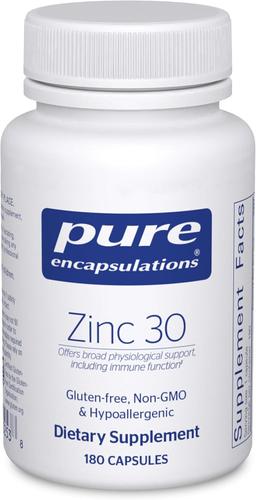
The Zinc supplement by Pure Encapsulations is a dietary supplement designed to support immune function and overall health, featuring highly bioavailable zinc in a hypoallergenic, vegetarian capsule.
Strength: 15 mg
Buy now
Zinc Bisglycinate
Expert Research
Recommended
Recommended
COQ 10 (as Ubiquinone)
by Life Extension
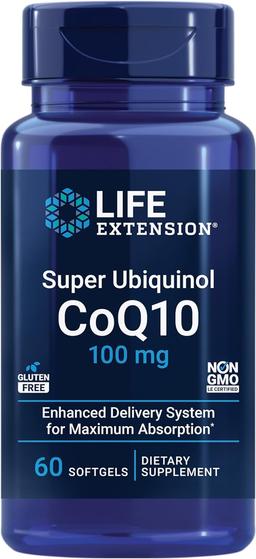
The CoQ10 supplement by Life Extension is a high-quality dietary supplement designed to support cellular energy production and antioxidant protection, utilizing a bioavailable form of Coenzyme Q10.
Strength: 50 mg
Buy now
COQ 10 (as Ubiquinone)
Expert Research
Recommended
Recommended
Antidote is a free resource, supported among other sources by affiliate commissions for purchases made through links on our site. Read full disclaimer
Next Steps
Save this report and share it with your healthcare provider or a family member
Ask our expert AI assistant additional questions related to Nebivolol + Valsartan.