Create an account to receive alerts on new research
SaveShareAsk AI
Lovastatin
Depletes
Prolonged use of Lovastatin can impact 6 essential nutrients.
CoQ10
While studies demonstrate statins effectively lower LDL-C and apoB, research suggests they may also reduce CoQ10 levels. This vital antioxidant plays a crucial role in mitochondrial function, and deficiency can impact brain, muscle, kidney, and heart health. CoQ10 supplementation could be a helpful way to mitigate a potential deficiency when taking a statin therapy.
Replace with Ubiquinol/Ubiquinone (50mg of each)
Research: Folkers K, Langsjoen P, Willis R, et al. Lovastatin decreases coenzyme Q levels in humans. Proc Natl Acad Sci USA...
Vitamin E
Research has found vitamin E supplementation significantly increased the antioxidative capacity of LDL, which was partially abolished by statin therapy. Supplementation with vitamin E should be considered for its antioxidant and anti-inflammatory properties that may help reduce the oxidation of LDL and help protect against cardiovascular diseases.
Replace with Vitamin E (d-alpha-tocopherol and mixed tocopherols) (30IU)
Research:
Shah S, Shiekh Y, Lawrence JA, Ezekwueme F, Alam M, Kunwar S, Gordon DK. A Systematic Review of Effects of Vitamin E on the...
NAC
Statins can lead to elevated liver enzymes, which may increase the risk of liver damage. Studies suggest that liver injury can be associated with statins and potent antioxidants like NAC with its anti-inflammatory action is associated with improved liver circulation, hepatoprotective, and therapeutic in liver conditions and disease.
Replace with N-Acetyl Cysteine (200 mg)
Research: Abdoli, Narges et al. “Protective Effects of N-acetylcysteine Against the Statins Cytotoxicity in Freshly Isolated Rat...
ALA
Statins can lead to elevated liver enzymes, which may increase the risk of liver damage. Studies suggest that liver injury can be associated with statins and potent antioxidants like alpha lipoic acid with its anti-inflammatory action is associated with improved liver circulation, hepatoprotective, and therapeutic in liver conditions and disease.
Replace with Alpha Lipoic Acid (100 mg)
Research: Stanković MN, Mladenović D, Ninković M, Ethuričić I, Sobajić S, Jorgačević B, de Luka S, Vukicevic RJ, Radosavljević TS. The...
Magnesium
Magnesium supplements and statin medications both inhibit the HMG-CoA and have complementary effects to reducing the production of cholesterol. Magnesium has functions that are crucial to cardiovascular and general health as a catalyst to 300 healthy reactions in the body and 100 in the heart. The association between Magnesium supplementation and statins is also able to offer some protection for painful myopathy as a side effect induced by statins, which may also boost patient compliance. According to research, patients who received the statin drug atorvastatin along with a magnesium treatment had significantly increased levels of serum magnesium, HDL (the good cholesterol), as well as significantly decreased levels of total cholesterol, LDL cholesterol, and triglycerides.
Replace with Magnesium (75mg)
Research: Roxana Nartea, et al. The Link between Magnesium Supplements and Statin Medication in Dyslipidemic Patients. Curr Issues Mol...
Vitamin D3
Statin therapy can lead to side effects such as statin-associated muscle symptoms (SAMS), rhabdomyolysis myopathy, and myalgia. Research has demonstrated vitamin D is associated with deficient and insufficient status in patients taking statin drug therapy. It has also found vitamin D to be successful in preventing muscle-related side effects like SAMS. Supplementation with vitamin D should be considered to avoid a potential deficiency and to help protect against muscle related side effects.
Replace with Vitamin D3 (Cholecalciferol) (500 IU)
Research: Atalig, Anne Rase MD; DiGiulio, Mary DO. Can vitamin D supplementation decrease risk of statin-induced rhabdomyolysis in...
Health Impact
Lovastatin-induced nutrient depletion can lead to a range of health problems
Severe Brain & Muscle Disease
CoQ10 deficiency can present in infancy as a severe encephalomyopathy or multisystemic mitochondrial disease, with features such as hypotonia, developmental delay, intractable seizures, lactic acidosis, cardiomyopathy, and failure to thrive. Reports of infantile‑onset multisystem CoQ10 deficiency describe very early presentations, sometimes in the neonatal period, with rapid neurologic deterioration and involvement of brain, heart, kidney, and liver, and many affected children die in the first months or years of life despite intensive care. The important clinical point is that, although outcomes are often poor in the most severe cases, some infants and young children show neurologic improvement or stabilization when CoQ10 deficiency is recognized early and high‑dose CoQ10 supplementation is started promptly, which is why this diagnosis is considered a treatable cause of infantile encephalomyopathy
Research: Quinzii CM, Hirano M. Coenzyme Q and mitochondrial disease. Dev Disabil Res Rev. 2010;16(2):183-8. Chen RS, Huang CC, Chu...
Kidney Disease & Heart Failure
CoQ10 is a key mitochondrial antioxidant, and circulating levels are often reduced in people with chronic kidney disease and chronic heart failure, where deficiency is linked to greater oxidative stress and poorer organ function. In CKD cohorts, lower CoQ10 levels correlate with increased cardiovascular risk, and supplementation has been reported to improve markers such as proteinuria, mitochondrial function, and oxidative stress, with some studies suggesting better preservation of kidney function over time. In patients with chronic heart failure, trials such as Q-SYMBIO have shown that CoQ10 supplementation can improve cardiac function parameters and significantly reduce major adverse cardiovascular events, cardiovascular mortality, and heart‑failure–related hospitalizations.
Research: Xu Y, Liu J, Han E, Wang Y, Gao J. Efficacy of coenzyme Q10 in patients with chronic kidney disease: protocol for a...
Irregular Heartbeat & Heart Risks
Low or depleted magnesium levels are associated with a higher likelihood of several cardiovascular problems, including arrhythmias, where people with low magnesium have been shown to have 2–4 times higher odds of these rhythm disturbances compared with those with normal levels. Low magnesium is also linked to worsening coronary artery disease, progression of heart failure, and development or aggravation of hypertension, driven by disrupted cardiac electrical stability, vascular function, and electrolyte balance. Even mild magnesium depletion may contribute to higher blood pressure over time, adding to the overall cardiovascular burden, especially in individuals with existing heart disease or multiple risk factors.
Research: Kolte D, Vijayaraghavan K, Khera S, Sica DA, Frishman WH. Role of magnesium in cardiovascular diseases. Cardiol Rev. 2014...
Hard-to-Treat Kidney Damage
CoQ10 deficiency has been identified as a potentially reversible cause of steroid‑resistant nephrotic syndrome and glomerular nephropathy, particularly in children and young adults with genetic defects in CoQ10 biosynthesis. In reported series, affected patients often present with heavy proteinuria and progressive kidney dysfunction that fail to respond to standard steroid therapy, but genetic testing sometimes reveals mutations in CoQ10‑related genes (such as COQ2, COQ6, or ADCK4). The encouraging part is that in a subset of these cases, early and sufficiently dosed CoQ10 supplementation has been associated with reduced proteinuria and stabilization or partial improvement of kidney function, making it an important, treatable consideration in otherwise unexplained steroid‑resistant nephrotic syndrome.
Research: Frehat MQ Sr, Alhadidi A, Almheairat A, Alkhatib L, Al Thaher S, Al Assaf R, Al Qawaqenah M, Mansour B, Khair F. Success of...
Heart Muscle Thickening (HCM)
In some children and young adults, primary CoQ10 deficiency has been linked to hypertrophic cardiomyopathy (HCM), where the heart muscle becomes abnormally thick and stiff despite the absence of more common causes like longstanding hypertension. Case series and reports describe patients with genetically confirmed CoQ10 biosynthetic defects who develop HCM alongside other mitochondrial features such as exercise intolerance, muscle weakness, or neurologic symptoms, and cardiac imaging often shows concentric or asymmetric left ventricular hypertrophy. The hopeful aspect is that early recognition and CoQ10 supplementation have, in some documented cases, led to improved cardiac function or stabilization of wall thickness over time, making CoQ10 deficiency a particularly important and potentially treatable consideration in otherwise unexplained or familial‑appearing HCM.
Research: Adarsh K, Kaur H, Mohan V. Coenzyme Q10 (CoQ10) in isolated diastolic heart failure in hypertrophic cardiomyopathy (HCM)....
Vision Loss & Eye Damage
In both children and adults, vitamin E deficiency can contribute to retinopathy and visual impairment because α‑tocopherol serves as a key fat‑soluble antioxidant that protects photoreceptor cells and retinal membranes from cumulative oxidative damage. Clinical reports describe patients with prolonged low vitamin E status developing pigmentary retinopathy, reduced visual acuity, and abnormal electroretinograms, sometimes alongside peripheral neuropathy, which can improve partially when deficiency is identified and corrected. These neurosensory changes appear more frequently in settings of fat malabsorption or genetic disorders affecting vitamin E transport, highlighting the importance of monitoring vitamin E status in at‑risk groups with otherwise unexplained visual decline.
Research: Runge P, Muller DP, McAllister J, Calver D, Lloyd JK, Taylor D. Oral vitamin E supplements can prevent the retinopathy of...
Type 2 Diabetes & Metabolic Syndrome
Low or depleted magnesium levels place people with diabetes and metabolic syndrome (MetSyn) at higher risk of worsening glycemic control and insulin resistance because magnesium is essential for normal glucose metabolism and beta-cell function. When magnesium is low, these metabolic pathways become less efficient, amplifying blood sugar instability, lipid abnormalities, and other MetSyn features. Even moderate depletion can accelerate type 2 diabetes and MetSyn-related complications, underscoring the need for monitoring magnesium status in these vulnerable groups.
Research: Gommers LM, Hoenderop JG, Bindels RJ, de Baaij JH. Hypomagnesemia in Type 2 Diabetes: A Vicious Circle? Diabetes. 2016...
Side Effects
Common side effects of Lovastatin, some of which may be related to nutrient depletion
Review
Some common side effects of Lovastatin include:
1. Muscle pain or weakness
2. Joint pain
3. Headache
4. Nausea
5. Diarrhea
6. Constipation
7. Sleep disturbances
8. Dizziness
9. Fatigue
10. Liver problems (rare)
It is important to consult a healthcare provider if you experience any severe or persistent side effects while taking Lovastatin.
1. Muscle pain or weakness
2. Joint pain
3. Headache
4. Nausea
5. Diarrhea
6. Constipation
7. Sleep disturbances
8. Dizziness
9. Fatigue
10. Liver problems (rare)
It is important to consult a healthcare provider if you experience any severe or persistent side effects while taking Lovastatin.
Get Support
We've developed a formula to replenish the nutrients depleted by Lovastatin.

Shop Third-Party Supplements

Alpha Liopic Acid
by Thorne
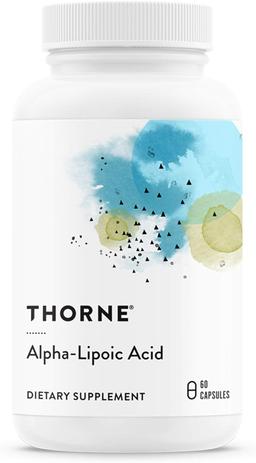
Thorne's ALA (Alpha-Lipoic Acid) supplement is designed to support healthy nerve function, promote antioxidant activity, and aid in the metabolism of glucose and lipids.
Strength: 300 mg
Buy now
Alpha Liopic Acid
Expert Research
Recommended
Recommended
COQ 10 (as Ubiquinone)
by Life Extension
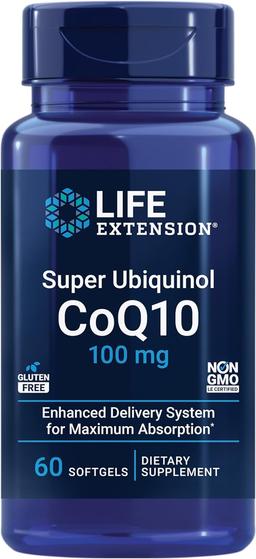
The CoQ10 supplement by Life Extension is a high-quality dietary supplement designed to support cellular energy production and antioxidant protection, utilizing a bioavailable form of Coenzyme Q10.
Strength: 50 mg
Buy now
COQ 10 (as Ubiquinone)
Expert Research
Recommended
Recommended
Vitamin E (d-alpha tocopherol) 33 mg; mixed tocopherols 6.6mg (providing d-gamma, d-delta and d-beta tocopherols)
by Life Extension
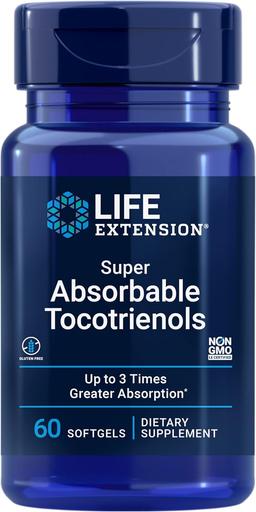
The Vitamin E supplement by Life Extension is designed to provide antioxidant support and promote overall health by delivering a potent blend of tocopherols and tocotrienols.
Strength: 50 IU
Buy now
Vitamin E (d-alpha tocopherol) 33 mg; mixed tocopherols 6.6mg (providing d-gamma, d-delta and d-beta tocopherols)
Expert Research
Recommended
Recommended

Vitamin D3 (Cholcalciferol) (1000 IU)
by Nordic Naturals
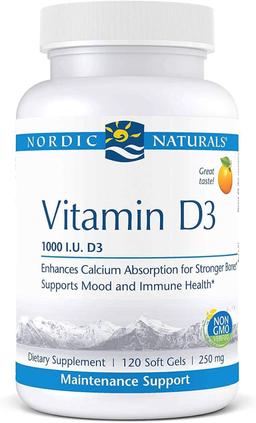
Nordic Naturals Vitamin D3 supplement provides a high-quality, natural source of vitamin D3 to support bone, mood, and immune health, formulated for optimal absorption and effectiveness.
Strength: 25mcg
Buy now
Vitamin D3 (Cholcalciferol) (1000 IU)
Expert Research
Recommended
Recommended

Magnesium (as Magnesium Citrate)
by Pure Encapsulations
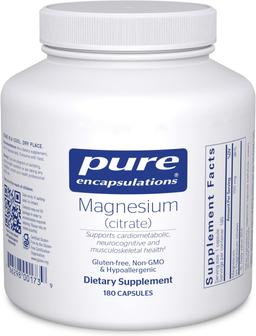
Pure Encapsulations Magnesium supplement is a dietary supplement designed to support overall health by providing highly bioavailable magnesium to aid in muscle function, energy production, and cardiovascular health.
Strength: 150 mg
Buy now
Magnesium (as Magnesium Citrate)
Expert Research
Recommended
Recommended
N-Acetyl-L-Cysteine
by Pure Encapsulations
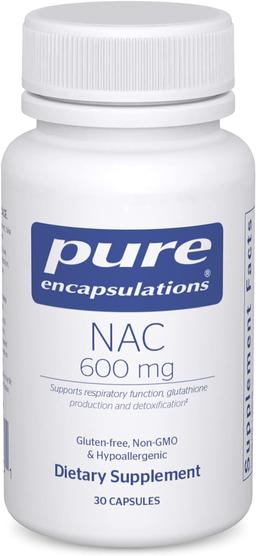
The NAC supplement by Pure Encapsulations provides N-Acetyl-L-Cysteine, an antioxidant that supports cellular health, detoxification, and immune function.
Strength: 600 mg
Buy now
N-Acetyl-L-Cysteine
Expert Research
Recommended
Recommended
Antidote is a free resource, supported among other sources by affiliate commissions for purchases made through links on our site. Read full disclaimer
Next Steps
Save this report and share it with your healthcare provider or a family member
Ask our expert AI assistant additional questions related to Lovastatin.