Create an account to receive alerts on new research
SaveShareAsk AI
Indocin
Depletes
Prolonged use of Indocin can impact 3 essential nutrients.
Calcium
Studies suggest that indomethacin, a type of nonsteroidal anti-inflammatory drug (NSAID), might decrease calcium levels in the body. To prevent potential calcium deficiency, supplementation should be considered for individuals taking indomethacin on a long-term basis.
Replace with Calcium Citrate (60 mg)
Research: Colette C, Aguirre L, Monnier L, Mimran A. The influence of indomethacin and possible role of prostaglandins on calcium...
Vitamin C
Indomethacin, a medication commonly used to treat inflammation and pain, can decrease the absorption of vitamin C. Vitamin C plays a vital role in immune function and the body's antioxidant defenses. To counteract this effect and maintain a healthy immune system and antioxidant capacity, vitamin C supplementation is recommended for individuals taking Indomethacin.
Replace with Vitamin C Ascorbic Acid (200 mg)
Research: Ogilvy CS, DuBois AB, Douglas JS. Effects of ascorbic acid and indomethacin on the airways of healthy male subjects with and...
Also Benefits From:
Omega 3
Omega-3 fatty acids offer promise for managing pain associated with osteoarthritis (OA). Research suggests they may work by reducing inflammation, a key contributor to OA pain and stiffness. Studies involving over 2000 patients with OA showed that omega-3 supplementation significantly lessened joint pain compared to a placebo. This improvement was accompanied by increased joint function, suggesting omega-3s might help people with OA move more easily and comfortably.
Research: Kuszewski JC, Wong RHX, Howe PRC. Fish oil supplementation reduces osteoarthritis-specific pain in older adults with...
Health Impact
Indocin-induced nutrient depletion can lead to a range of health problems
High Blood Pressure & Heart Risk
Across the lifespan, chronically low calcium intake has been linked to higher blood pressure, in part because calcium plays a key role in vascular smooth‑muscle contraction, sodium handling, and endothelial function. Large epidemiologic studies and randomized trials suggest that individuals with higher dietary calcium intake tend to have modestly lower systolic and diastolic blood pressures and may experience a small but meaningful reduction in risk of stroke and other cardiovascular events. The practical takeaway is that maintaining adequate daily calcium, alongside blood pressure control, exercise, and a heart‑healthy diet, may be an underutilized strategy to support vascular health and reduce long‑term cardiovascular risk.
Research: Kim MH, Bu SY, Choi MK. Daily calcium intake and its relation to blood pressure, blood lipids, and oxidative stress...
Weak Bones & Fractures
In adults, chronically low calcium intake can quietly erode skeletal integrity, contributing to osteopenia, osteoporosis, and a higher risk of low‑trauma fractures over time. In children, inadequate calcium (often alongside vitamin D deficiency) impairs normal mineralization of the growing skeleton, leading to rickets with bone pain, deformities, and delayed growth, while in adults the same process manifests as osteomalacia with diffuse bone pain and muscle weakness rather than early fractures. The encouraging reality is that optimizing daily calcium intake, paired with sufficient vitamin D, protein, and weight‑bearing activity, has been shown to improve bone mineral density and meaningfully reduce fracture risk in at‑risk populations.
Research: Bischoff-Ferrari HA, Rees JR, Grau MV, Barry E, Gui J, Baron JA. Effect of calcium supplementation on fracture risk: a...
Airway Spasms & Breathing Issues
In some patients, significant calcium deficiency leading to hypocalcemia can present with acute respiratory manifestations such as laryngospasm and bronchospasm, often in the context of generalized neuromuscular irritability and tetany. Case reports describe episodes of stridor, tightness in the chest, and even acute respiratory distress that improve as ionized calcium levels are corrected. The key clinical implication is that, when otherwise unexplained laryngospasm or bronchospasm occurs alongside perioral numbness, carpopedal spasm, or muscle cramps, prompt evaluation and correction of calcium deficiency can be lifesaving and help prevent recurrent respiratory compromise.
Research: Kennedy J, Pérusse L, Drapeau V, Tremblay A. Cardiorespiratory Fitness in Low Calcium Consumers: Potential Impact of Calcium...
Eye Bleeding & Vision Issues
Vitamin C deficiency weakens collagen in capillary and vascular walls, so severe scurvy can present with ocular hemorrhages in the conjunctiva and retina that threaten vision if not treated. Case reports and small series describe retinal hemorrhages, flame‑shaped hemorrhages, and even retrobulbar bleeding compressing the optic nerve, which can lead to optic neuropathy and visual loss in advanced cases. The encouraging point is that, when vitamin C deficiency is recognized early and promptly repleted, many ocular hemorrhages and visual symptoms can partially or fully resolve, making it critical to consider vitamin C status in patients with otherwise unexplained ocular bleeding and visual complaints.
Research: Errera MH, Dupas B, Man H, Gualino V, Gaudric A, Massin P. Une cause inhabituelle d'anomalies rétiniennes, hémorragies...
Lung & Breathing Problems
When vitamin C runs low, its impact isn’t just skin‑deep, it can also affect the heart and lungs, sometimes contributing to shortness of breath, fatigue, and fluid retention. Severe vitamin C deficiency has been reported as a reversible cause of pulmonary hypertension and right‑sided heart failure, with pressures in the lung circulation and cardiac strain improving after vitamin C is replaced. Broader cardiovascular research also links low vitamin C with higher blood pressure and stiffer arteries, while short‑term supplementation in some hypertensive or diabetic patients has lowered systolic blood pressure and improved arterial stiffness, suggesting that adequate vitamin C helps support healthier vascular tone and cardiac workload.
Research: Kurnick A, Zaveri S, Tadayoni A, Chandrakumar HP, John S. Reversible severe pulmonary hypertension and right heart failure...
Weakened Immune System
Even a modest shortfall in vitamin C can leave the immune system less resilient, showing up as more frequent colds, flus, or lingering infections that are slow to clear. Vitamin C concentrates to very high levels inside neutrophils, where it helps fuel their oxidative burst, regulate antioxidant enzymes, and support normal cell survival, so low vitamin C can mean these “first‑responder” white blood cells do not work at full strength. Clinical trials are mixed but intriguing: in a substantial subset of studies, vitamin C supplementation improved neutrophil functions such as oxidative burst, antioxidant enzyme activity, and even reduced premature neutrophil cell death in very sick patients, suggesting that correcting low vitamin C may help the body respond more effectively when infections strike.
Research: Van Straten M, Josling P. Preventing the common cold with a vitamin C supplement: a double-blind, placebo-controlled survey....
Muscle Spasms from Low Calcium
In some patients, significant calcium deficiency can culminate in hypocalcemia that presents with neuromuscular irritability, including perioral numbness, carpopedal spasm, frank tetany, and potentially generalized seizures or life‑threatening arrhythmias. Clinical data in children with hypocalcemic seizures suggest that, once acute stabilization is achieved, carefully dosed oral calcium can be as effective as continued intravenous calcium in maintaining serum calcium over the first 24–48 hours, with similar calcium levels and seizure‑recurrence rates reported between groups. The key clinical implication is that prompt recognition and correction of hypocalcemia, followed by an appropriate transition to ongoing oral calcium (and vitamin D when indicated), can help prevent recurrent tetany, seizures, and cardiac instability while longer‑term etiologies of calcium deficiency are addressed.
Research: Han, P., Trinidad, B. J., & Shi, J. (2015). Hypocalcemia-Induced Seizure: Demystifying the Calcium Paradox. ASN Neuro, 7(2)....
Side Effects
Common side effects of Indocin, some of which may be related to nutrient depletion
Review
Common side effects of Indocin (indomethacin) include:
- Stomach upset, heartburn, or abdominal pain
- Nausea or vomiting
- Diarrhea or constipation
- Dizziness or headache
- Rash or itching
- Ringing in the ears (tinnitus)
- Fluid retention or swelling
- Increased blood pressure
Rare but serious side effects may include:
- Gastrointestinal bleeding or ulcers
- Kidney problems
- Liver damage
- Allergic reactions, such as hives or swelling
- Severe skin reactions, such as Stevens-Johnson syndrome
It is important to talk to your doctor if you experience any severe side effects while taking Indocin.
- Stomach upset, heartburn, or abdominal pain
- Nausea or vomiting
- Diarrhea or constipation
- Dizziness or headache
- Rash or itching
- Ringing in the ears (tinnitus)
- Fluid retention or swelling
- Increased blood pressure
Rare but serious side effects may include:
- Gastrointestinal bleeding or ulcers
- Kidney problems
- Liver damage
- Allergic reactions, such as hives or swelling
- Severe skin reactions, such as Stevens-Johnson syndrome
It is important to talk to your doctor if you experience any severe side effects while taking Indocin.
Get Support
We've developed a formula to replenish the nutrients depleted by Indocin.

Shop Third-Party Supplements

Calcium Citrate
by Solaray

The Calcium supplement by Solaray is designed to support bone health and overall wellness by providing a high-quality, bioavailable form of calcium.
Strength: 200mg
Buy now
Calcium Citrate
Expert Research
Recommended
Recommended

Vitamin C (Ascorbic Acid)
by Pure Encapsulations
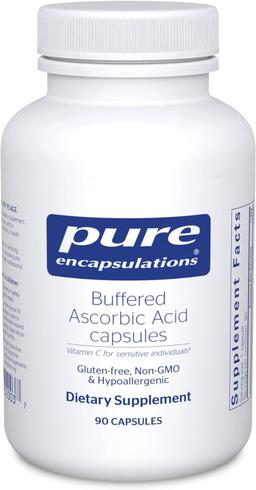
Pure Encapsulations' Vitamin C supplement is a high-quality, hypoallergenic product designed to support immune function, collagen production, and antioxidant protection.
Strength: 200 mcg
Buy now
Vitamin C (Ascorbic Acid)
Expert Research
Recommended
Recommended
Antidote is a free resource, supported among other sources by affiliate commissions for purchases made through links on our site. Read full disclaimer
Next Steps
Save this report and share it with your healthcare provider or a family member
Ask our expert AI assistant additional questions related to Indocin.