Create an account to receive alerts on new research
SaveShareAsk AI
Generess Fe
Depletes
Prolonged use of Generess Fe can impact 11 essential nutrients.
Vitamin C
Studies suggest that women using oral contraceptives might have lower levels of vitamin C within their white blood cells (leukocytes) and platelets. This depletion could be linked to reduced activity of antioxidant enzymes like glutathione peroxidase (GPx) and glutathione reductase (GR) in the blood. These enzymes play a role in protecting cells from damage. Research also shows that supplementing with vitamin C, alongside vitamin E, can significantly increase the activity of these antioxidant enzymes in women taking OCs. This suggests that vitamin C supplementation might be beneficial for women on birth control pills.
Replace with Vitamin C Ascorbic Acid (125 mg)
Research: Zal F, Mostafavi-Pour Z, Amini F, Heidari A. Effect of vitamin E and C supplements on lipid peroxidation and GSH-dependent...
Vitamin B12
Oral contraceptives (OCs) have been linked to a decrease in Vitamin B12 levels. Studies have shown a significant reduction in serum B12, the vitamin circulating in the blood, in women taking OCs for extended periods. One US study found a 40% decrease in B12 levels after five years of OC use. This decrease is concerning because vitamin B12 plays a crucial role in converting a form of folate (N-methyltetrahydrofolic acid) into its active form (tetrahydrofolic acid). This active folate is essential for healthy red blood cell production and other bodily functions. Due to the vital role of vitamin B12, supplementation when using OCs long-term should be considered.
Replace with Vitamin B12 Methylcobalamin (0.2 mg)
Research: Lussana F, Zighetti ML, Bucciarelli P, Cugno M, Cattaneo M. Blood levels of homocysteine, folate, vitamin B6 and B12 in...
Zinc
Studies suggest that oral contraceptives (OCs) may contribute to zinc deficiency. Research has shown a significant decrease in serum zinc levels, the zinc circulating in the blood, in women taking OCs. This decrease is thought to be due to potential changes in how the body absorbs, excretes, or utilizes zinc within tissues. Due to its vital role in many bodily functions, ensuring sufficient zinc intake through supplementation should be considered for women on birth control pills.
Replace with Zinc Bisglycinate (12.5 mg)
Research: Fallah S, Sani FV, Firoozrai M. Effect of contraceptive pill on the selenium and zinc status of healthy subjects....
Vitamin B6
Research suggests that oral contraceptives (OCs) may play a role in vitamin B6 deficiency. A deficiency is concerning because vitamin B6 plays a crucial role in mood regulation and blood sugar control. Some women using OCs experience symptoms like depression and impaired glucose tolerance, which could potentially be linked to this vitamin B6 deficiency. Low vitamin B6 levels are independently associated with an increased risk of blood clots in both arteries and veins (venous and arterial thromboembolism, or TE). This association suggests that the B6 deficiency caused by OCs might partly explain the higher risk of TE observed in women using birth control pills. This highlights the importance of ensuring adequate vitamin B6 intake for women on OCs and therefore supplementation should be considered.
Replace with Vitamin B6 (50% Pyridoxine HCL, 50% P-5-P) (10 mg)
Research: Lussana F, Zighetti ML, Bucciarelli P, Cugno M, Cattaneo M. Blood levels of homocysteine, folate, vitamin B6 and B12 in...
Vitamin B1
Studies suggest a potential for mild thiamine (vitamin B1) deficiency with long-term use of Oral Contraceptives (OCs). One finding showed that red blood cell activity of an enzyme dependent on thiamine (transketolase) decreased during OC treatment. This decrease indicates that the cells might not have enough thiamine to function optimally, suggesting a mild thiamine deficiency induced by the contraceptives. Supplementation with thiamine (vitamin B1) should be considered for women using OCs.
Replace with Vitamin B1 Thiamine (10 mg)
Research: Briggs MH, Briggs M. Thiamine status and oral contraceptives. Contraception. 1975 Feb;11(2):151-4. doi:...
Magnesium
Research suggests a potential decrease in magnesium levels in women using Oral Contraceptives (OCs). Studies have shown that women taking OCs have significantly lower serum magnesium compared to those not using them. Interestingly, the type of pill or duration of use doesn't seem to influence the degree of magnesium depletion. The observed decrease in magnesium with OC use might be associated with an increased risk of blood clots. Supplementation with magnesium should be considered during oral contraceptives use.
Replace with Magnesium Citrate (100mg)
Research: Blum M, Kitai E, Ariel Y, Schnierer M, Bograd H. [Oral contraceptive lowers serum magnesium]. Harefuah. 1991 Nov...
Folic Acid
Women using oral contraceptives (OCs) for extended periods may experience a decrease in their folate levels. Studies suggest that OC use might lower blood folate levels by up to 40%. This depletion can be a concern because folate plays a crucial role in red blood cell production. One research finding highlights a case where a patient developed anemia and nerve problems (polyneuropathy) after stopping vitamin B12 therapy, suggesting that folate deficiency might have been the main underlying issue. Supplementation of folate should be considered during oral contraceptive use.
Replace with Folate (0.2mg as L-5-Methylfolate) (0.34 DFE)
Research: Shikh EV, Makhova AA, Chemeris AV, Tormyshov IA. [Iatrogenic deficits of micronutrients]. Vopr Pitan. 2021;90(4):53-63....
Tyrosine
Women using oral contraceptives (OCs) may experience mood changes, including depression. Research suggests a potential link between these emotional shifts and a decrease in brain levels of the neurotransmitter norepinephrine (noradrenaline). This decrease could be related to reduced availability of its precursor molecule, tyrosine, in the brain. Studies have shown a significant decline in tyrosine levels in women on OCs. One study found that the area under the curve (AUC) in plasma for tyrosine in OC users were 43% of control levels. Tyrosine supplementation could potentially help regulate mood and improve emotional well-being while taking OCs.
Replace with L-Tyrosine (200 mg)
Research: Møller, S.E., Maach-Møller, B., Olesen, M., Madsen, B.K., Madsen, P., & Fjalland, B. (1995). Tyrosine metabolism in users of...
Vitamin E
When using oral contraceptives (OCs), the body might experience increased oxidative stress due to hormonal changes. Vitamin E, a potent antioxidant, could potentially help counteract this stress and promote cellular health. Research shows that combining vitamin E with vitamin C supplementation might be even more beneficial. Studies like one where Group C received both vitamins showed a significant increase in the activity of enzymes (GPx and GR) crucial for antioxidant defense, along with a reduction in markers of oxidative damage (plasma MDA levels). This suggests that a combined approach with vitamins E and C might offer enhanced protection against cellular stress for women using OCs.
Replace with Natural Vitamin E d-alpha-tocopherol + mixed tocopherols (33 mg)
Research: Zal F, Mostafavi-Pour Z, Amini F, Heidari A. Effect of vitamin E and C supplements on lipid peroxidation and GSH-dependent...
Vitamin B2
Women using Oral Contraceptives (OCs) may benefit from including vitamin B2 (riboflavin) in their regimen. Vitamin B2 plays a critical role in activating other B vitamins, like folic acid and B6, which are essential for various bodily functions. Studies have shown that women on OCs have lower levels of active vitamin B2, as measured by the activity of an enzyme dependent on it (glutathione reductase). These reduced levels might be linked to migraines, a frequent side effect of OCs that can sometimes lead women to discontinue the medication. By ensuring adequate B2 intake, women on OCs may potentially experience reduced migraine frequency and benefit from the proper activation of other B vitamins.
Replace with Vitamin B2 Riboflavin (10 mg)
Research: Zencirci B. Comparison of the effects of dietary factors in the management and prophylaxis of migraine. J Pain Res. 2010 Jul...
Also Benefits From:
Selenium
Selenium is an essential mineral that plays a role in cell function, including protecting against cell damage and potentially supporting a healthy thyroid. Oral contraceptives (OCs) can impact nutrient levels in the body, and selenium is one such nutrient that might be depleted. Selenium offers potential benefits against cancer development, so maintaining adequate levels is important. While more research is needed, some studies suggest that OC users may have lower selenium levels. This highlights the potential importance of ensuring adequate selenium supplementation for women on birth control pills.
Research: Palmery M, Saraceno A, Vaiarelli A, Carlomagno G. Oral contraceptives and changes in nutritional requirements. Eur Rev Med...
Health Impact
Generess Fe-induced nutrient depletion can lead to a range of health problems
Stroke & Heart Disease Risk
Low vitamin B6 status can promote accumulation of homocysteine, a sulfur‑containing amino acid that can damage the endothelium, increase oxidative stress, and promote clot formation, all of which are relevant to cardiovascular disease and stroke. Large observational studies and cross‑sectional analyses have shown that people with lower plasma pyridoxal‑5‑phosphate (active B6) levels have higher rates of stroke and other vascular events, and in some cohorts low B6 was a stronger predictor of stroke or transient ischemic attack than homocysteine itself. The encouraging finding from meta‑analyses and clinical trials is that B‑vitamin combinations including B6 can lower homocysteine and modestly reduce the combined risk of stroke, myocardial infarction, and vascular death in high‑risk patients, suggesting that maintaining adequate B6 is one useful piece of broader cardiovascular prevention
Research: Vanuzzo D, Pilotto L, Lombardi R, Lazzerini G, Carluccio M, Diviacco S, Quadrifoglio F, Danek G, Gregori D, Fioretti P,...
Memory Loss & Dementia
Vitamin B12 deficiency is strongly associated with cognitive impairment, including problems with memory, attention, and executive function, and is considered a reversible cause of dementia when caught early. Low or borderline B12 levels are more common in older adults, particularly those with atrophic gastritis, long-term use of acid-suppressing medications, or vegetarian/vegan diets, and studies show that deficient individuals often perform worse on cognitive tests than those with adequate status. Clinically, correcting B12 deficiency can lead to measurable improvements in cognition and mood in some patients, which is why B12 levels are routinely checked in the evaluation of cognitive decline and suspected dementia.
Research: Jatoi S, Hafeez A, Riaz SU, Ali A, Ghauri MI, Zehra M. Low Vitamin B12 Levels: An Underestimated Cause Of Minimal Cognitive...
Irregular Heartbeat & Heart Risks
Low or depleted magnesium levels are associated with a higher likelihood of several cardiovascular problems, including arrhythmias, where people with low magnesium have been shown to have 2–4 times higher odds of these rhythm disturbances compared with those with normal levels. Low magnesium is also linked to worsening coronary artery disease, progression of heart failure, and development or aggravation of hypertension, driven by disrupted cardiac electrical stability, vascular function, and electrolyte balance. Even mild magnesium depletion may contribute to higher blood pressure over time, adding to the overall cardiovascular burden, especially in individuals with existing heart disease or multiple risk factors.
Research: Kolte D, Vijayaraghavan K, Khera S, Sica DA, Frishman WH. Role of magnesium in cardiovascular diseases. Cardiol Rev. 2014...
Birth Defects During Pregnancy
Folate deficiency in the periconceptional period significantly increases the risk of neural tube defects (NTDs) such as spina bifida and anencephaly, because adequate folate is required for proper closure of the embryonic neural tube in the first month of pregnancy. Large observational datasets and randomized trials have shown that appropriate folic acid supplementation before conception and in early pregnancy can reduce NTD risk by roughly 50–70% in the general population, with even greater risk reduction in women with a prior NTD‑affected pregnancy. The practical implication is that all women of childbearing potential, not just those actively planning pregnancy, are typically advised to maintain adequate daily folic acid intake so that red‑cell folate stores are sufficient well before conception occurs.
Research: Viswanathan M, Urrutia RP, Hudson KN, Middleton JC, Kahwati LC. Folic Acid Supplementation to Prevent Neural Tube Defects:...
Eye Bleeding & Vision Issues
Vitamin C deficiency weakens collagen in capillary and vascular walls, so severe scurvy can present with ocular hemorrhages in the conjunctiva and retina that threaten vision if not treated. Case reports and small series describe retinal hemorrhages, flame‑shaped hemorrhages, and even retrobulbar bleeding compressing the optic nerve, which can lead to optic neuropathy and visual loss in advanced cases. The encouraging point is that, when vitamin C deficiency is recognized early and promptly repleted, many ocular hemorrhages and visual symptoms can partially or fully resolve, making it critical to consider vitamin C status in patients with otherwise unexplained ocular bleeding and visual complaints.
Research: Errera MH, Dupas B, Man H, Gualino V, Gaudric A, Massin P. Une cause inhabituelle d'anomalies rétiniennes, hémorragies...
Heart & Metabolism Risks
Low or deficient vitamin B12 status elevates homocysteine levels by impairing its conversion to methionine, a process that requires B12 as a cofactor. This hyperhomocysteinemia is linked to increased cardiovascular risks, including atherosclerosis, heart disease, and stroke, through vascular inflammation and endothelial damage. Additionally, low B12 contributes to metabolic disturbances like insulin resistance and type 2 diabetes risk, compounding heart health concerns in susceptible individuals.
Research: Sucharita S, Thomas T, Antony B, Vaz M. Vitamin B12 supplementation improves heart rate variability in healthy elderly...
Weak Bones & Fractures
Low or depleted vitamin B12 status is linked to reduced bone mineral density (BMD), increasing osteoporosis risk in both men and women. Individuals with low B12 show significantly lower BMD at key sites like the hip and spine compared to those with adequate levels. Routine serum B12 monitoring, alongside periodic bone density scans and supplementation for at-risk groups, helps preserve bone health and mitigate fracture risks.
Research: Stone KL, Bauer DC, Sellmeyer D, Cummings SR. Low serum vitamin B-12 levels are associated with increased hip bone loss in...
Side Effects
Common side effects of Generess Fe, some of which may be related to nutrient depletion
Review
Generess Fe, a combination oral contraceptive, may cause side effects such as nausea, headaches, and breast tenderness. Some users might also experience changes in menstrual flow, mood swings, or weight gain. Serious but rare side effects include blood clots, stroke, and hypertension.
Get Support
We've developed a formula to replenish the nutrients depleted by Generess Fe.

Shop Third-Party Supplements

Zinc Bisglycinate
by Pure Encapsulations
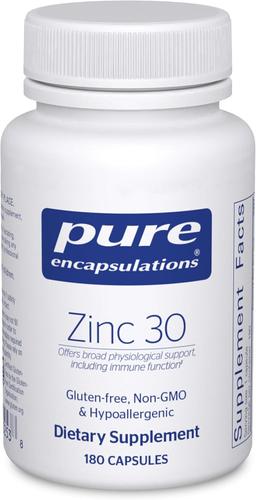
The Zinc supplement by Pure Encapsulations is a dietary supplement designed to support immune function and overall health, featuring highly bioavailable zinc in a hypoallergenic, vegetarian capsule.
Strength: 15 mg
Buy now
Zinc Bisglycinate
Expert Research
Recommended
Recommended
Folate
by Pure Encapsulations
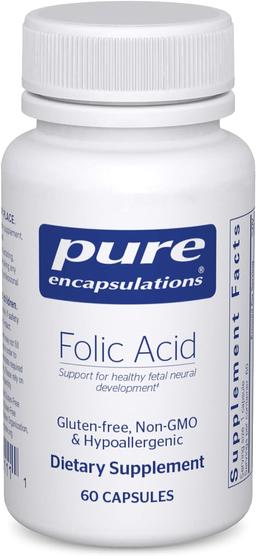
Pure Encapsulations' Folic Acid supplement provides a high-quality, bioavailable form of folic acid to support healthy fetal development, cardiovascular health, and overall cellular function.
Strength: 800 mcg
Buy now
Folate
Expert Research
Recommended
Recommended
Vitamin B2 Riboflavin
by Pure Encapsulations
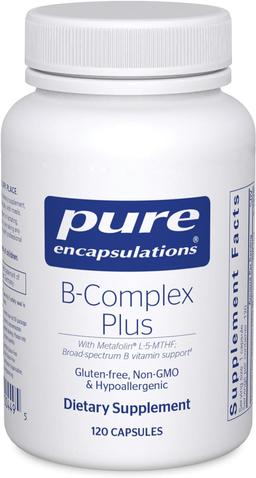
Pure Encapsulations' Vitamin B2 supplement provides 400 mg of riboflavin per capsule to support energy production, cellular function, and overall health, using hypoallergenic, high-quality ingredients.
Strength: 10 mg
Buy now
Vitamin B2 Riboflavin
Expert Research
Recommended
Recommended
Vitamin B1 Thiamine HCl
by Pure Encapsulations
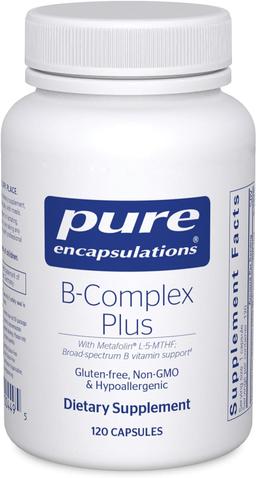
Pure Encapsulations' Vitamin B1 supplement provides a high-quality, hypoallergenic source of thiamine to support energy production, nervous system health, and overall well-being.
Strength: 10 mg
Buy now
Vitamin B1 Thiamine HCl
Expert Research
Recommended
Recommended

Vitamin E (d-alpha tocopherol) 33 mg; mixed tocopherols 6.6mg (providing d-gamma, d-delta and d-beta tocopherols)
by Life Extension
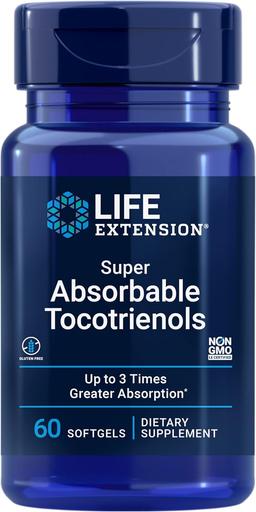
The Vitamin E supplement by Life Extension is designed to provide antioxidant support and promote overall health by delivering a potent blend of tocopherols and tocotrienols.
Strength: 50 IU
Buy now
Vitamin E (d-alpha tocopherol) 33 mg; mixed tocopherols 6.6mg (providing d-gamma, d-delta and d-beta tocopherols)
Expert Research
Recommended
Recommended
Magnesium (as Magnesium Citrate)
by Pure Encapsulations
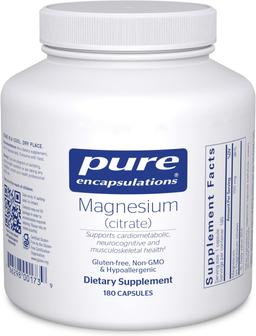
Pure Encapsulations Magnesium supplement is a dietary supplement designed to support overall health by providing highly bioavailable magnesium to aid in muscle function, energy production, and cardiovascular health.
Strength: 150 mg
Buy now
Magnesium (as Magnesium Citrate)
Expert Research
Recommended
Recommended
Vitamin B6 (50% Pyridoxine and 50% P-5-P)
by Pure Encapsulations
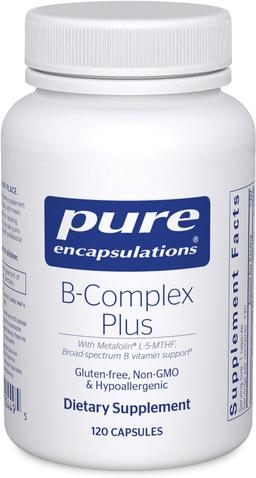
Pure Encapsulations' Vitamin B6 supplement provides a high-quality, hypoallergenic source of pyridoxine HCl to support various physiological functions, including amino acid metabolism and nervous system health.
Strength: 10 mg
Buy now
Vitamin B6 (50% Pyridoxine and 50% P-5-P)
Expert Research
Recommended
Recommended
Vitamin C (Ascorbic Acid)
by Pure Encapsulations
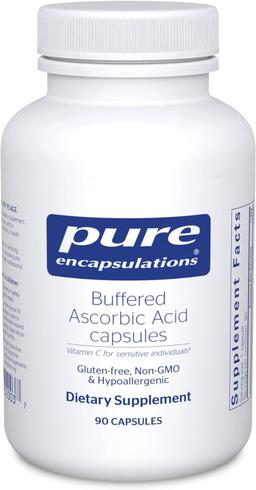
Pure Encapsulations' Vitamin C supplement is a high-quality, hypoallergenic product designed to support immune function, collagen production, and antioxidant protection.
Strength: 200 mcg
Buy now
Vitamin C (Ascorbic Acid)
Expert Research
Recommended
Recommended
Vitamin B12 Methylcobalamin
by Pure Encapsulations
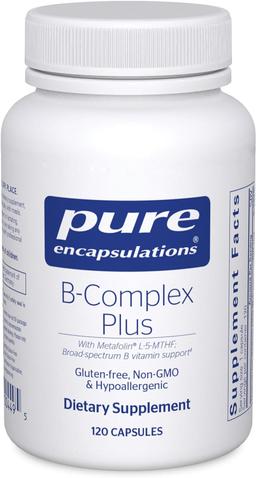
Pure Encapsulations' Vitamin B12 supplement provides a high-quality, bioavailable form of vitamin B12 to support energy production, neurological function, and overall health.
Strength: 0.2 mg
Buy now
Vitamin B12 Methylcobalamin
Expert Research
Recommended
Recommended
L-Tyrosine
by Pure Encapsulations
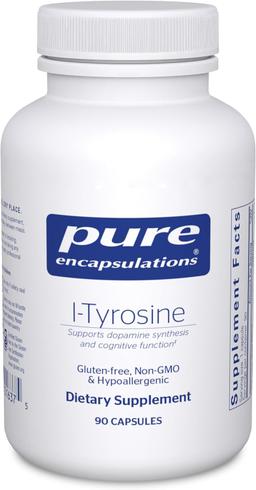
Pure Encapsulations' Tyrosine supplement provides a high-quality, hypoallergenic source of the amino acid L-tyrosine, which supports neurotransmitter production and cognitive function.
Strength: 500 mg
Buy now
L-Tyrosine
Expert Research
Recommended
Recommended
Antidote is a free resource, supported among other sources by affiliate commissions for purchases made through links on our site. Read full disclaimer
Next Steps
Save this report and share it with your healthcare provider or a family member
Ask our expert AI assistant additional questions related to Generess Fe.