Create an account to receive alerts on new research
SaveShareAsk AI
Famotidine
Depletes
Prolonged use of Famotidine can impact 7 essential nutrients.
Zinc
Long-term use of H2 blockers may increase your risk of zinc deficiency. These medications work by reducing stomach acid, which is crucial for absorbing zinc from food. Zinc is an essential mineral that supports a healthy immune system and wound healing. Deficiency can lead to various health problems. A study directly investigated the impact of cimetidine, a common H2 blocker, on zinc absorption. The research found that zinc absorption significantly decreased after cimetidine administration, highlighting the role of stomach acid in this process. Individuals who take H2 blockers for extended periods should consider supplementation with zinc to protect against a deficiency.
Replace with Zinc Bisglycinate (12.5 mg)
Research: Sturniolo GC, Montino MC, Rossetto L, Martin A, D'Inca R, D'Odorico A, Naccarato R. Inhibition of gastric acid secretion...
Vitamin B12
Research suggests that long-term use of medications that reduce stomach acid, like H2 blockers and PPIs, may be linked to vitamin B12 deficiency. Stomach acid plays a role in releasing vitamin B12 from food, and reduced acid levels caused by these medications could hinder proper B12 absorption. Some studies find an increased risk of B12 deficiency, particularly in older adults or those using these medications for extended periods. Individuals taking H2 blockers or PPIs long-term should consider vitamin B12 supplementation.
Replace with Vitamin B12 (as methylcobalamin) (0.2 mg)
Research: Miller JW. Proton Pump Inhibitors, H2-Receptor Antagonists, Metformin, and Vitamin B-12 Deficiency: Clinical Implications....
Folic Acid
Research suggests that long-term use of H2 blockers and antacids might raise the risk of folic acid deficiency. These medications work by reducing stomach acid, which can also play a role in folic acid absorption. Folic acid is crucial for healthy cell growth and development, and a deficiency can lead to various health problems, especially during pregnancy. Some studies show a potential link between H2 blocker/antacid use and lower folic acid levels. Individuals who take H2 blockers or antacids for extended periods should consider supplementation with folic acid to protect against a deficiency.
Replace with Folate ( .2mg as L-5-Methylfolate) (0.34 mg DFE)
Research: Russell RM, Golner BB, Krasinski SD, Sadowski JA, Suter PM, Braun CL. Effect of antacid and H2 receptor antagonists on the...
Vitamin A
Vitamin A plays a vital role in maintaining a healthy gut lining, which is crucial for overall stomach health. This is why some research has explored its potential use alongside other medications for treating ulcers. Research suggests vitamin A supplementation may be effective specifically for treating ulcers alongside H2 blockers.
Replace with Retinyl Palmitate (750 mcg)
Research: Mózsik G, Hunyady B, Garamszegi M, Németh A, Pakodi F, Vincze A. Dynamism of cytoprotective and antisecretory drugs in...
Also Benefits From:
Vitamin B6 (as pyridoxine hydrochloride)
Vitamin B-6 helps regulate immune responses in the gut, potentially reducing inflammation that can contribute to digestive issues. One of the concerns of Gastro Esophageal Reflux Disorder ( GERD) or Gastric Reflux is the progression to more complicated condition such as Barrett’s Esophagus (BE) or even Esophageal adenocarcinoma (EAC) by increased inflammation. While treatment of GERD with Proton Pump Inhibitors or H2 Antagonists may help treat or reduce risk, a study on the effects of B Vitamins found that Vitamin B6 intake was significantly inversely related to the risks of all three lesions of GERD, BE or EAC. Patients concerned with these conditions should consider Vitamin B6 supplementation.
Research: Sharp L, Carsin AE, Cantwell MM, Anderson LA, Murray LJ; FINBAR Study Group. Intakes of dietary folate and other B vitamins...
Vitamin B 6 (as pyridoxal 5'-phosphate)
Vitamin B-6 helps regulate immune responses in the gut, potentially reducing inflammation that can contribute to digestive issues. One of the concerns of Gastro Esophageal Reflux Disorder ( GERD) or Gastric Reflux is the progression to more complicated condition such as Barrett’s Esophagus (BE) or even Esophageal adenocarcinoma (EAC) by increased inflammation. While treatment of GERD with Proton Pump Inhibitors or H2 Antagonists may help treat or reduce risk, a study on the effects of B Vitamins found that Vitamin B6 intake was significantly inversely related to the risks of all three lesions of GERD, BE or EAC. Patients concerned with these conditions should consider Vitamin B6 supplementation.
Research: Sharp L, Carsin AE, Cantwell MM, Anderson LA, Murray LJ; FINBAR Study Group. Intakes of dietary folate and other B vitamins...
Vitamin K2 (Menaquinone-7)
Research demonstrates that vitamin D3 and K2 can provide greater benefit together. Vitamin D3 and K2 help move calcium into your bones, where it's most beneficial. This prevents calcium buildup in your arteries and blood vessels. Their combined action can boost bone health, promote cardiovascular health, and combat inflammation. Both vitamins show promise in regulating inflammation, a key factor in many health concerns. By collaborating, vitamin D3 and K2 offer a broader spectrum of benefits, potentially protecting against serious illnesses and promoting overall well-being.
Research: Kuang X, Liu C, Guo X, Li K, Deng Q, Li D. The combination effect of vitamin K and vitamin D on human bone quality: a...
Health Impact
Famotidine-induced nutrient depletion can lead to a range of health problems
Stroke & Heart Disease Risk
Low folate status contributes to elevated homocysteine, a metabolite that has been associated with endothelial dysfunction, arterial stiffness, and a higher risk of stroke and coronary heart disease. Large observational studies consistently show that individuals with higher homocysteine levels have greater rates of cardiovascular events, and folate intake is one of the key nutritional determinants of homocysteine. Clinically, folic acid supplementation (often combined with vitamins B6 and B12) can lower homocysteine and appears to modestly reduce stroke risk in some populations, making the identification and correction of folate deficiency an important part of broader cardiovascular risk reduction.
Research: Yanping Li, et al. Folic Acid Supplementation and the Risk of Cardiovascular Diseases: A Meta‐Analysis of Randomized...
Memory Loss & Dementia
Vitamin B12 deficiency is strongly associated with cognitive impairment, including problems with memory, attention, and executive function, and is considered a reversible cause of dementia when caught early. Low or borderline B12 levels are more common in older adults, particularly those with atrophic gastritis, long-term use of acid-suppressing medications, or vegetarian/vegan diets, and studies show that deficient individuals often perform worse on cognitive tests than those with adequate status. Clinically, correcting B12 deficiency can lead to measurable improvements in cognition and mood in some patients, which is why B12 levels are routinely checked in the evaluation of cognitive decline and suspected dementia.
Research: Jatoi S, Hafeez A, Riaz SU, Ali A, Ghauri MI, Zehra M. Low Vitamin B12 Levels: An Underestimated Cause Of Minimal Cognitive...
Birth Defects During Pregnancy
Folate deficiency in the periconceptional period significantly increases the risk of neural tube defects (NTDs) such as spina bifida and anencephaly, because adequate folate is required for proper closure of the embryonic neural tube in the first month of pregnancy. Large observational datasets and randomized trials have shown that appropriate folic acid supplementation before conception and in early pregnancy can reduce NTD risk by roughly 50–70% in the general population, with even greater risk reduction in women with a prior NTD‑affected pregnancy. The practical implication is that all women of childbearing potential, not just those actively planning pregnancy, are typically advised to maintain adequate daily folic acid intake so that red‑cell folate stores are sufficient well before conception occurs.
Research: Viswanathan M, Urrutia RP, Hudson KN, Middleton JC, Kahwati LC. Folic Acid Supplementation to Prevent Neural Tube Defects:...
Vision Loss & Dry Eyes
Vitamin A deficiency can damage the surface of the eye in both children and adults, progressing from dry, uncomfortable eyes and night‑vision problems to xerophthalmia and, in severe cases, permanent blindness if it is missed. Regular vitamin A from food and, when appropriate, thoughtfully used supplements can meaningfully reduce this risk; in one large analysis, children in the highest overall intake group had about a 62 percent lower risk of xerophthalmia than those in the lowest group (multivariate relative risk 0.38, 95 percent confidence interval 0.19–0.74). Vitamin A deficiency and xerophthalmia have been documented not just in low‑resource settings but also in at‑risk children and adults in developed countries, so anyone with unexplained dry eyes, night‑vision changes, or corneal findings should have vitamin A status considered and be referred promptly for ophthalmology review to help protect their sight.
Research: Chiu M, Dillon A, Watson S. Vitamin A deficiency and xerophthalmia in children of a developed country. J Paediatr Child...
Age-Related Vision Loss
Low zinc status has been linked to a higher risk and faster progression of age-related macular degeneration (AMD), in part because zinc is concentrated in the retina and supports antioxidant defenses there. In the landmark AREDS trial, a supplement formula containing zinc (80 mg as zinc oxide), along with antioxidants, reduced the risk of progression to advanced AMD by about 25% in people with intermediate disease or advanced disease in one eye over roughly 5 years. Other research has shown that inadequate zinc intake is more common in older adults with AMD, reinforcing the idea that maintaining healthy zinc levels may be an important, and often overlooked, strategy for preserving macular health with age.
Research: Smailhodzic D, van Asten F, Blom AM, Mohlin FC, den Hollander AI, van de Ven JPH, et al. (2014) Zinc Supplementation...
Heart & Metabolism Risks
Low or deficient vitamin B12 status elevates homocysteine levels by impairing its conversion to methionine, a process that requires B12 as a cofactor. This hyperhomocysteinemia is linked to increased cardiovascular risks, including atherosclerosis, heart disease, and stroke, through vascular inflammation and endothelial damage. Additionally, low B12 contributes to metabolic disturbances like insulin resistance and type 2 diabetes risk, compounding heart health concerns in susceptible individuals.
Research: Sucharita S, Thomas T, Antony B, Vaz M. Vitamin B12 supplementation improves heart rate variability in healthy elderly...
Weak Bones & Fractures
Low or depleted vitamin B12 status is linked to reduced bone mineral density (BMD), increasing osteoporosis risk in both men and women. Individuals with low B12 show significantly lower BMD at key sites like the hip and spine compared to those with adequate levels. Routine serum B12 monitoring, alongside periodic bone density scans and supplementation for at-risk groups, helps preserve bone health and mitigate fracture risks.
Research: Stone KL, Bauer DC, Sellmeyer D, Cummings SR. Low serum vitamin B-12 levels are associated with increased hip bone loss in...
Side Effects
Common side effects of Famotidine, some of which may be related to nutrient depletion
Review
Some common side effects of famotidine may include:
1. Headache
2. Dizziness
3. Fatigue
4. Constipation or diarrhea
5. Nausea or vomiting
6. Muscle or joint pain
7. Difficulty sleeping
8. Rash or itching
Rare but serious side effects may include:
1. Severe allergic reaction (difficulty breathing, swelling of the face, lips, throat, or tongue)
2. Signs of liver problems (yellowing of the skin or eyes, dark urine, abdominal pain)
3. Signs of low blood cell count (unusual bleeding or bruising, pale skin)
4. Confusion or hallucinations
5. Chest pain or irregular heartbeat
It is important to contact your healthcare provider if you experience any severe or persistent side effects while taking famotidine.
1. Headache
2. Dizziness
3. Fatigue
4. Constipation or diarrhea
5. Nausea or vomiting
6. Muscle or joint pain
7. Difficulty sleeping
8. Rash or itching
Rare but serious side effects may include:
1. Severe allergic reaction (difficulty breathing, swelling of the face, lips, throat, or tongue)
2. Signs of liver problems (yellowing of the skin or eyes, dark urine, abdominal pain)
3. Signs of low blood cell count (unusual bleeding or bruising, pale skin)
4. Confusion or hallucinations
5. Chest pain or irregular heartbeat
It is important to contact your healthcare provider if you experience any severe or persistent side effects while taking famotidine.
Get Support
We've developed a formula to replenish the nutrients depleted by Famotidine.

Shop Third-Party Supplements

Zinc Bisglycinate
by Pure Encapsulations
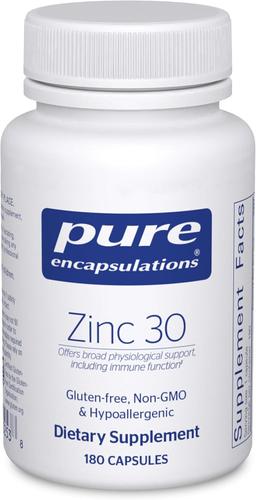
The Zinc supplement by Pure Encapsulations is a dietary supplement designed to support immune function and overall health, featuring highly bioavailable zinc in a hypoallergenic, vegetarian capsule.
Strength: 15 mg
Buy now
Zinc Bisglycinate
Expert Research
Recommended
Recommended
Folate
by Pure Encapsulations
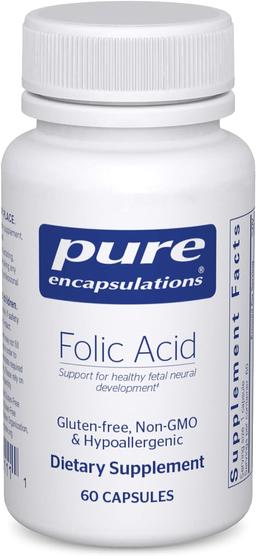
Pure Encapsulations' Folic Acid supplement provides a high-quality, bioavailable form of folic acid to support healthy fetal development, cardiovascular health, and overall cellular function.
Strength: 800 mcg
Buy now
Folate
Expert Research
Recommended
Recommended

Vitamin A (Beta Carotene -25% ; Retinyl Palmitate-75%)
by Solaray
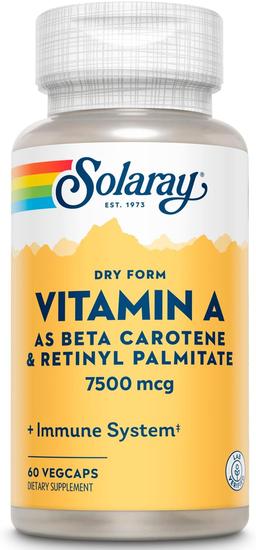
Solaray's Vitamin A supplement provides a potent dose of this essential nutrient to support vision, immune function, and overall health.
Strength: 7500 mcg
Buy now
Vitamin A (Beta Carotene -25% ; Retinyl Palmitate-75%)
Expert Research
Recommended
Recommended
Vitamin B12 Methylcobalamin
by Pure Encapsulations
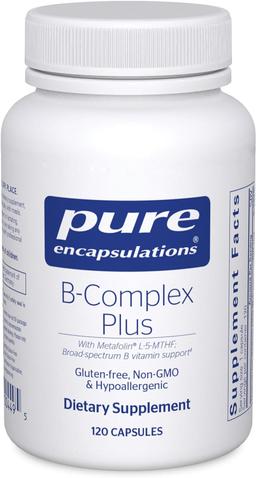
Pure Encapsulations' Vitamin B12 supplement provides a high-quality, bioavailable form of vitamin B12 to support energy production, neurological function, and overall health.
Strength: 0.2 mg
Buy now
Vitamin B12 Methylcobalamin
Expert Research
Recommended
Recommended
Antidote is a free resource, supported among other sources by affiliate commissions for purchases made through links on our site. Read full disclaimer
Next Steps
Save this report and share it with your healthcare provider or a family member
Ask our expert AI assistant additional questions related to Famotidine.