Create an account to receive alerts on new research
SaveShareAsk AI
Colestid
Depletes
Prolonged use of Colestid can impact 4 essential nutrients.
Vitamin A
Bile acid sequestrants work by binding to cholesterol and bile acids in the intestine, unfortunately, they can also bind to fat soluble vitamins like vitamin A, hindering its uptake into the bloodstream. For individuals taking bile acid sequestrants, supplementing with vitamin A may be advisable to prevent or address potential deficiencies.
Replace with 67% Retinol;33% Beta carotene (1,500 IU)
Research: Probstfield JL, Lin TL, Peters J, Hunninghake DB. Carotenoids and vitamin A: the effect of hypocholesterolemic agents on...
Folic Acid
Bile acid sequestrants work by binding to cholesterol and bile acids in the intestine, unfortunately, they can also bind to folic acid, hindering its uptake into the bloodstream. For individuals taking bile acid sequestrants, supplementing with folic acid may be advisable to prevent or address potential deficiencies.
Replace with 5-Methyl Folate (200 mcg)
Research: Threlkeld DS, ed. Cardiovascular Drugs, Antihyperlipidemic Agents, Bile Acid Sequestrants. In Facts and Comparisons Drug...
Vitamin E
Bile acid sequestrants work by binding to cholesterol and bile acids in the intestine, unfortunately, they can also bind to fat soluble vitamins like vitamin E, hindering its uptake into the bloodstream. For individuals taking bile acid sequestrants, supplementing with vitamin E may be advisable to prevent or address potential deficiencies.
Replace with Vitamin E (d-alpha tocopherol with mixed tocopherols) (30 IU)
Research: Threlkeld DS, ed. Cardiovascular Drugs, Antihyperlipidemic Agents, Bile Acid Sequestrants. In Facts and Comparisons Drug...
Vitamin D3
Bile acid sequestrants work by binding to cholesterol and bile acids in the intestine, unfortunately, they can also bind to fat soluble vitamins like vitamin D3, hindering its uptake into the bloodstream. For individuals taking bile acid sequestrants, supplementing with vitamin D3 may be advisable to prevent or address potential deficiencies.
Replace with Chloecalciferol (1,000 IU)
Research: Shojania AM, Grewar D. Hypoprothrombinemic hemorrhage due to cholestyramine therapy. CMAJ. 1986;134(6):609-610. M S Matsui...
Health Impact
Colestid-induced nutrient depletion can lead to a range of health problems
Stroke & Heart Disease Risk
Low folate status contributes to elevated homocysteine, a metabolite that has been associated with endothelial dysfunction, arterial stiffness, and a higher risk of stroke and coronary heart disease. Large observational studies consistently show that individuals with higher homocysteine levels have greater rates of cardiovascular events, and folate intake is one of the key nutritional determinants of homocysteine. Clinically, folic acid supplementation (often combined with vitamins B6 and B12) can lower homocysteine and appears to modestly reduce stroke risk in some populations, making the identification and correction of folate deficiency an important part of broader cardiovascular risk reduction.
Research: Yanping Li, et al. Folic Acid Supplementation and the Risk of Cardiovascular Diseases: A Meta‐Analysis of Randomized...
Vision Loss & Dry Eyes
Vitamin A deficiency can damage the surface of the eye in both children and adults, progressing from dry, uncomfortable eyes and night‑vision problems to xerophthalmia and, in severe cases, permanent blindness if it is missed. Regular vitamin A from food and, when appropriate, thoughtfully used supplements can meaningfully reduce this risk; in one large analysis, children in the highest overall intake group had about a 62 percent lower risk of xerophthalmia than those in the lowest group (multivariate relative risk 0.38, 95 percent confidence interval 0.19–0.74). Vitamin A deficiency and xerophthalmia have been documented not just in low‑resource settings but also in at‑risk children and adults in developed countries, so anyone with unexplained dry eyes, night‑vision changes, or corneal findings should have vitamin A status considered and be referred promptly for ophthalmology review to help protect their sight.
Research: Chiu M, Dillon A, Watson S. Vitamin A deficiency and xerophthalmia in children of a developed country. J Paediatr Child...
Birth Defects During Pregnancy
Folate deficiency in the periconceptional period significantly increases the risk of neural tube defects (NTDs) such as spina bifida and anencephaly, because adequate folate is required for proper closure of the embryonic neural tube in the first month of pregnancy. Large observational datasets and randomized trials have shown that appropriate folic acid supplementation before conception and in early pregnancy can reduce NTD risk by roughly 50–70% in the general population, with even greater risk reduction in women with a prior NTD‑affected pregnancy. The practical implication is that all women of childbearing potential, not just those actively planning pregnancy, are typically advised to maintain adequate daily folic acid intake so that red‑cell folate stores are sufficient well before conception occurs.
Research: Viswanathan M, Urrutia RP, Hudson KN, Middleton JC, Kahwati LC. Folic Acid Supplementation to Prevent Neural Tube Defects:...
Fertility & Pregnancy Problems
Low vitamin A status can quietly undermine reproductive health, because vitamin A is deeply involved in egg and sperm development, maintenance of reproductive tissues, and the signaling events that trigger meiosis in both the female and male gonad. Studies in pregnant women in rural South Asia show that bringing vitamin A intake closer to recommended levels markedly reduced, but did not fully eliminate, night blindness during pregnancy and postpartum, suggesting that vitamin A supplementation, alongside other key nutrients, may be required to fully protect maternal vision and status. For individuals with fertility challenges or for pregnant women reporting new night‑vision problems, proactively assessing vitamin A status and considering targeted, evidence‑based supplementation protocols can be an important strategy to improve reproductive outcomes and reduce adverse pregnancy risks
Research: Christian P, West KP Jr, Khatry SK, Katz J, LeClerq S, Pradhan EK, Shrestha SR. Vitamin A or beta-carotene supplementation...
Eye Disease
Vitamin A and beta carotene are essential for maintaining the integrity of the cornea and the light-sensing pigments in the retina, so deficiency greatly increases the risk of night blindness and other ocular pathologies. In vitamin A deficient regions, hundreds of thousands of children each year develop xerophthalmia, ranging from conjunctival and corneal dryness to corneal ulceration and keratomalacia, which can progress to irreversible blindness if not corrected. Even subclinical deficiency can impair dark adaptation and increase susceptibility to eye infections, making adequate vitamin A and carotenoid intake a critical foundation for long-term visual health.
Research: Haskell MJ, Pandey P, Graham JM, Peerson JM, Shrestha RK, Brown KH. Recovery from impaired dark adaptation in nightblind...
Memory Loss & Mental Decline
In older adults, low folate status has been associated with a higher risk of mild cognitive impairment (MCI) and faster cognitive decline over time, likely through effects on one‑carbon metabolism and homocysteine. Several longitudinal cohort studies have found that individuals with lower serum or red‑cell folate and higher homocysteine show steeper declines on memory and global cognition tests, and in some cohorts have a significantly higher incidence of MCI or dementia over follow‑up. The clinically important takeaway is that, when folate deficiency is detected and corrected (usually along with ensuring adequate vitamin B12), some patients demonstrate stabilization or modest improvement in cognitive performance, particularly when interventions are combined with aggressive management of vascular risk factors such as hypertension and diabetes.
Research: Ma, F., Wu, T., Zhao, J. et al. Folic acid supplementation improves cognitive function by reducing the levels of peripheral...
Vision Loss & Eye Damage
In both children and adults, vitamin E deficiency can contribute to retinopathy and visual impairment because α‑tocopherol serves as a key fat‑soluble antioxidant that protects photoreceptor cells and retinal membranes from cumulative oxidative damage. Clinical reports describe patients with prolonged low vitamin E status developing pigmentary retinopathy, reduced visual acuity, and abnormal electroretinograms, sometimes alongside peripheral neuropathy, which can improve partially when deficiency is identified and corrected. These neurosensory changes appear more frequently in settings of fat malabsorption or genetic disorders affecting vitamin E transport, highlighting the importance of monitoring vitamin E status in at‑risk groups with otherwise unexplained visual decline.
Research: Runge P, Muller DP, McAllister J, Calver D, Lloyd JK, Taylor D. Oral vitamin E supplements can prevent the retinopathy of...
Side Effects
Common side effects of Colestid, some of which may be related to nutrient depletion
Review
Some common side effects of Colestid (colestipol) may include:
1. Upset stomach or indigestion
2. Diarrhea or constipation
3. Nausea or vomiting
4. Gas or bloating
5. Headache
6. Dizziness or lightheadedness
7. Fatigue or weakness
8. Muscle pain or weakness
9. Skin rash or itching
10. Difficulty swallowing or breathing
It is important to notify your healthcare provider if you experience any severe or persistent side effects while taking Colestid.
1. Upset stomach or indigestion
2. Diarrhea or constipation
3. Nausea or vomiting
4. Gas or bloating
5. Headache
6. Dizziness or lightheadedness
7. Fatigue or weakness
8. Muscle pain or weakness
9. Skin rash or itching
10. Difficulty swallowing or breathing
It is important to notify your healthcare provider if you experience any severe or persistent side effects while taking Colestid.
Get Support
We've curated a list of vetted, recommended individual nutrient third-party supplements.
Shop Third-Party Supplements

Folate
by Pure Encapsulations
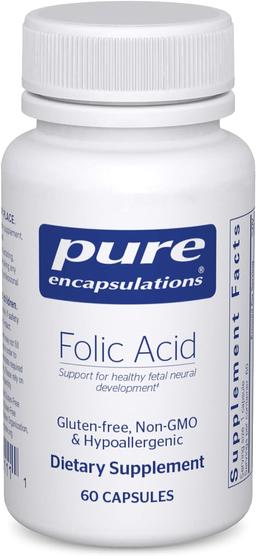
Pure Encapsulations' Folic Acid supplement provides a high-quality, bioavailable form of folic acid to support healthy fetal development, cardiovascular health, and overall cellular function.
Strength: 800 mcg
Buy now
Folate
Expert Research
Recommended
Recommended
Vitamin E (d-alpha tocopherol) 33 mg; mixed tocopherols 6.6mg (providing d-gamma, d-delta and d-beta tocopherols)
by Life Extension
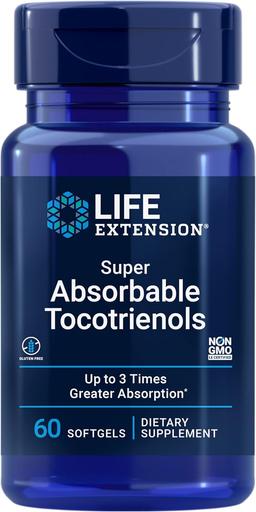
The Vitamin E supplement by Life Extension is designed to provide antioxidant support and promote overall health by delivering a potent blend of tocopherols and tocotrienols.
Strength: 50 IU
Buy now
Vitamin E (d-alpha tocopherol) 33 mg; mixed tocopherols 6.6mg (providing d-gamma, d-delta and d-beta tocopherols)
Expert Research
Recommended
Recommended

Vitamin D3 (Cholcalciferol) (1000 IU)
by Nordic Naturals
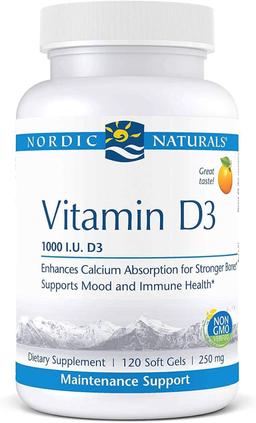
Nordic Naturals Vitamin D3 supplement provides a high-quality, natural source of vitamin D3 to support bone, mood, and immune health, formulated for optimal absorption and effectiveness.
Strength: 25mcg
Buy now
Vitamin D3 (Cholcalciferol) (1000 IU)
Expert Research
Recommended
Recommended

Vitamin A (Beta Carotene -25% ; Retinyl Palmitate-75%)
by Solaray
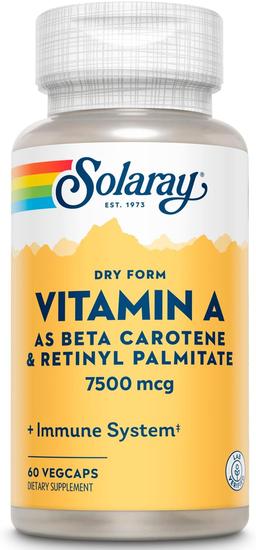
Solaray's Vitamin A supplement provides a potent dose of this essential nutrient to support vision, immune function, and overall health.
Strength: 7500 mcg
Buy now
Vitamin A (Beta Carotene -25% ; Retinyl Palmitate-75%)
Expert Research
Recommended
Recommended
Antidote is a free resource, supported among other sources by affiliate commissions for purchases made through links on our site. Read full disclaimer
Next Steps
Save this report and share it with your healthcare provider or a family member
Ask our expert AI assistant additional questions related to Colestid.