Create an account to receive alerts on new research
SaveShareAsk AI
Clobetasol Topical
Depletes
Prolonged use of Clobetasol Topical can impact 2 essential nutrients.
Chromium
Research has found that corticosteroids increased chromium excretion in patients after just three days. Chromium is an essential mineral that helps regulate blood sugar levels. This is important because corticosteroids themselves can raise blood sugar, contributing to diabetes. Evidence suggests that chromium supplementation improved fasting blood glucose levels in patients with steroid-induced diabetes.
Replace with Chromium Polynicotinate (200 mcg)
Research: Mohn ES, Kern HJ, Saltzman E, Mitmesser SH, McKay DL. Evidence of Drug-Nutrient Interactions with Chronic Use of Commonly...
Calcium
Corticosteroids can lower calcium levels in the body. This is a double threat to bone health because corticosteroids themselves can weaken bones. Calcium is essential for strong bones, and a study showed that supplementing with both calcium and vitamin D3 helped prevent bone loss in people with rheumatoid arthritis taking corticosteroids. Supplementation with calcium should be considered during long term corticosteroid therapy.
Replace with Calcium Citrate (75 mg)
Research: Homik J, Suarez-Almazor ME, Shea B, Cranney A, Wells G, Tugwell P. Calcium and vitamin D for corticosteroid-induced...
Health Impact
Clobetasol Topical-induced nutrient depletion can lead to a range of health problems
Higher Heart Attack Risk
Chromium deficiency has been linked to higher cardiovascular risk because low chromium status can impair both glucose and lipid metabolism, driving compensatory hyperinsulinemia that promotes atherogenic changes over time. Studies have reported markedly lower plasma chromium levels in patients with established coronary artery disease compared with healthy controls, suggesting that inadequate chromium may be more common in people with overt atherosclerosis. Mechanistically, chromium insufficiency can worsen insulin resistance, elevate circulating insulin, and contribute to dyslipidemia, supporting the idea that unrecognized chromium deficiency may act as an upstream, modifiable risk factor in the development and progression of cardiovascular disease.
Research: Guallar E, Jiménez FJ, van 't Veer P, Bode P, Riemersma RA, Gómez-Aracena J, Kark JD, Arab L, Kok FJ, Martín-Moreno JM;...
High Blood Pressure & Heart Risk
Across the lifespan, chronically low calcium intake has been linked to higher blood pressure, in part because calcium plays a key role in vascular smooth‑muscle contraction, sodium handling, and endothelial function. Large epidemiologic studies and randomized trials suggest that individuals with higher dietary calcium intake tend to have modestly lower systolic and diastolic blood pressures and may experience a small but meaningful reduction in risk of stroke and other cardiovascular events. The practical takeaway is that maintaining adequate daily calcium, alongside blood pressure control, exercise, and a heart‑healthy diet, may be an underutilized strategy to support vascular health and reduce long‑term cardiovascular risk.
Research: Kim MH, Bu SY, Choi MK. Daily calcium intake and its relation to blood pressure, blood lipids, and oxidative stress...
Higher Type 2 Diabetes Risk
In observational and clinical data, low chromium status has been associated with impaired insulin signaling and may contribute to the long‑term development of type 2 diabetes in susceptible individuals. Chromium acts as a cofactor that helps insulin work more efficiently at its receptor and through downstream signaling pathways, so deficiency can worsen glucose intolerance, increase circulating insulin needs, and exacerbate other metabolic risk factors over time. Population analyses have reported lower odds of having type 2 diabetes among adults who regularly consume chromium‑containing supplements compared with non‑users, though trial results remain mixed, suggesting that chromium repletion may be most relevant in people with documented deficiency or marked insulin resistance rather than as a universal preventive strategy.
Research: Anderson RA, Cheng N, Bryden NA, Polansky MM, Cheng N, Chi J, Feng J. Elevated intakes of supplemental chromium improve...
Weak Bones & Fractures
In adults, chronically low calcium intake can quietly erode skeletal integrity, contributing to osteopenia, osteoporosis, and a higher risk of low‑trauma fractures over time. In children, inadequate calcium (often alongside vitamin D deficiency) impairs normal mineralization of the growing skeleton, leading to rickets with bone pain, deformities, and delayed growth, while in adults the same process manifests as osteomalacia with diffuse bone pain and muscle weakness rather than early fractures. The encouraging reality is that optimizing daily calcium intake, paired with sufficient vitamin D, protein, and weight‑bearing activity, has been shown to improve bone mineral density and meaningfully reduce fracture risk in at‑risk populations.
Research: Bischoff-Ferrari HA, Rees JR, Grau MV, Barry E, Gui J, Baron JA. Effect of calcium supplementation on fracture risk: a...
Airway Spasms & Breathing Issues
In some patients, significant calcium deficiency leading to hypocalcemia can present with acute respiratory manifestations such as laryngospasm and bronchospasm, often in the context of generalized neuromuscular irritability and tetany. Case reports describe episodes of stridor, tightness in the chest, and even acute respiratory distress that improve as ionized calcium levels are corrected. The key clinical implication is that, when otherwise unexplained laryngospasm or bronchospasm occurs alongside perioral numbness, carpopedal spasm, or muscle cramps, prompt evaluation and correction of calcium deficiency can be lifesaving and help prevent recurrent respiratory compromise.
Research: Kennedy J, Pérusse L, Drapeau V, Tremblay A. Cardiorespiratory Fitness in Low Calcium Consumers: Potential Impact of Calcium...
Blood Sugar & Insulin Issues
In clinical settings, chromium deficiency has been linked to impaired glucose tolerance and emerging insulin resistance, particularly in patients on long‑term total parenteral nutrition where trace‑element provision is inadequate. Chromium functions as a cofactor that helps insulin signal more effectively at its receptor, so low chromium status can worsen post‑meal glucose excursions and increase insulin requirements despite otherwise unchanged diet or medications. Case reports and small series describe patients with unexplained hyperglycemia and neuropathic symptoms whose glucose tolerance, insulin sensitivity, and sometimes weight trajectory improved after chromium was added back to their nutrition support, underscoring that unrecognized deficiency can masquerade as primary type 2 diabetes or “idiopathic” insulin resistance.
Research: Brown RO, Forloines-Lynn S, Cross RE, Heizer WD. Chromium deficiency after long-term total parenteral nutrition. Dig Dis...
Confusion & Trouble Thinking
Chromium deficiency has been associated with episodes of confusion and broader cognitive impairment, particularly in patients on long‑term parenteral nutrition who also show impaired glucose tolerance and emerging insulin resistance. Case descriptions suggest that when chromium is extremely low, fluctuating blood glucose and high circulating insulin may contribute to “brain fog,” slowed processing, and difficulty concentrating, sometimes improving after chromium is added back to the nutrition regimen. While large, definitive trials on cognition are lacking, these observations raise the possibility that unrecognized chromium deficiency in people with metabolic instability could quietly worsen cognitive performance and that chromium repletion may help in deficiency states.
Research: Offenbacher, E.G. Chromium in the elderly. Biol Trace Elem Res 32, 123–131 (1992). Krikorian R, Eliassen JC, Boespflug EL,...
Side Effects
Common side effects of Clobetasol Topical, some of which may be related to nutrient depletion
Review
Some common side effects of Clobetasol Topical include:
1. Burning or stinging sensation at the application site
2. Itching or irritation
3. Dryness or peeling of the skin
4. Skin rash or redness
5. Skin thinning
6. Stretch marks
7. Acne or folliculitis
8. Excessive hair growth
9. Hypopigmentation or hyperpigmentation
10. Allergic reactions, such as hives or swelling
It is important to follow the prescribed usage instructions and notify your healthcare provider if you experience any severe or persistent side effects.
1. Burning or stinging sensation at the application site
2. Itching or irritation
3. Dryness or peeling of the skin
4. Skin rash or redness
5. Skin thinning
6. Stretch marks
7. Acne or folliculitis
8. Excessive hair growth
9. Hypopigmentation or hyperpigmentation
10. Allergic reactions, such as hives or swelling
It is important to follow the prescribed usage instructions and notify your healthcare provider if you experience any severe or persistent side effects.
Get Support
We've curated a list of vetted, recommended individual nutrient third-party supplements.
Shop Third-Party Supplements

Chromium Picolinate
by Pure Encapsulations
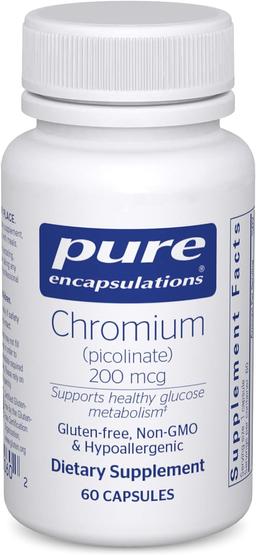
Pure Encapsulations Chromium supplement is a dietary supplement designed to support healthy glucose metabolism and overall metabolic function, using a highly bioavailable form of chromium.
Strength: 200 mcg
Buy now
Chromium Picolinate
Expert Research
Recommended
Recommended

Calcium Citrate
by Solaray

The Calcium supplement by Solaray is designed to support bone health and overall wellness by providing a high-quality, bioavailable form of calcium.
Strength: 200mg
Buy now
Calcium Citrate
Expert Research
Recommended
Recommended
Antidote is a free resource, supported among other sources by affiliate commissions for purchases made through links on our site. Read full disclaimer
Next Steps
Save this report and share it with your healthcare provider or a family member
Ask our expert AI assistant additional questions related to Clobetasol Topical.