Create an account to receive alerts on new research
SaveShareAsk AI
Carbutamide
Depletes
Prolonged use of Carbutamide can impact 5 essential nutrients.
CoQ10
Sulfonylureas, a class of anti-diabetic drugs, have been found in research to significantly deplete Coenzyme Q10 (COQ10). This nutrient may be beneficial to individuals with diabetes as it is found to assist: high blood pressure, decrease triglycerides, improve HDL cholesterol, and provide glycemic control.
Replace with Ubiquinol/Ubiquinone (50mg of each)
Research: Pelton R. Coenzyme Q10: A Miracle Nutrient Advances in Understanding. Integr Med (Encinitas). 2020 Apr;19(2):16-20. PMID:...
Also Benefits From:
Taurine
Taurine is shown to be beneficial in supporting diabetes management. Studies suggest that taurine supplementation might contribute to improved blood sugar control by lowering HBA1c, a long-term marker, and fasting blood sugar levels in diabetic patients. Additionally, it may enhance insulin sensitivity, allowing cells to utilize glucose more effectively. Taurine's antioxidant and anti-inflammatory properties are also beneficial for mitigating oxidative stress and inflammation, which can contribute to diabetic complications like nerve damage and vision problems.
Research: Esmaeili F, Maleki V, Kheirouri S, Alizadeh M. The Effects of Taurine Supplementation on Metabolic Profiles, Pentosidine,...
Chromium Polynicotinate
Chromium Polynicotinate shows benefits for managing glucose control. Some studies suggest it may improve the body's sensitivity to insulin, a key hormone regulating blood sugar, potentially leading to better glucose absorption by cells. Additionally, certain studies have observed modest reductions in blood sugar levels in individuals with type 2 diabetes or prediabetes after supplementation.
Research: Sharma S, Agrawal RP, Choudhary M, Jain S, Goyal S, Agarwal V. Beneficial effect of chromium supplementation on glucose,...
Gymnema sylvestre
Gymnema sylvestre is found to help support diabetes management. The plant boasts gymnemic acids, which may temporarily block sugar receptors on taste buds, leading to reduced cravings and potentially lower sugar intake. Additionally, some studies suggest Gymnema may lower blood sugar levels in individuals with type 2 diabetes. Moreover, Gymnema may help stimulate the pancreas to produce more insulin, potentially aiding blood sugar regulation.
Research: Devangan S, Varghese B, Johny E, Gurram S, Adela R. The effect of Gymnema sylvestre supplementation on glycemic control in...
Alpha Lipoic Acid
Alpha Lipoic Acid (ALA) displays several benefits that may be supportive in managing type 2 diabetes. Studies suggest ALA may offer improvements in blood sugar control, potentially by enhancing the body's sensitivity to insulin. Additionally, its antioxidant and anti-inflammatory properties may help combat oxidative stress associated with type 2 diabetes and its complications, potentially offering benefits for diabetic nerve problems.
Research: Ayman M Elbadawy, Rasha O. Abd Elmoniem & Amira M. Elsayed. (2021) Alpha lipoic acid and diabetes mellitus: potential...
Health Impact
Carbutamide-induced nutrient depletion can lead to a range of health problems
Severe Brain & Muscle Disease
CoQ10 deficiency can present in infancy as a severe encephalomyopathy or multisystemic mitochondrial disease, with features such as hypotonia, developmental delay, intractable seizures, lactic acidosis, cardiomyopathy, and failure to thrive. Reports of infantile‑onset multisystem CoQ10 deficiency describe very early presentations, sometimes in the neonatal period, with rapid neurologic deterioration and involvement of brain, heart, kidney, and liver, and many affected children die in the first months or years of life despite intensive care. The important clinical point is that, although outcomes are often poor in the most severe cases, some infants and young children show neurologic improvement or stabilization when CoQ10 deficiency is recognized early and high‑dose CoQ10 supplementation is started promptly, which is why this diagnosis is considered a treatable cause of infantile encephalomyopathy
Research: Quinzii CM, Hirano M. Coenzyme Q and mitochondrial disease. Dev Disabil Res Rev. 2010;16(2):183-8. Chen RS, Huang CC, Chu...
Kidney Disease & Heart Failure
CoQ10 is a key mitochondrial antioxidant, and circulating levels are often reduced in people with chronic kidney disease and chronic heart failure, where deficiency is linked to greater oxidative stress and poorer organ function. In CKD cohorts, lower CoQ10 levels correlate with increased cardiovascular risk, and supplementation has been reported to improve markers such as proteinuria, mitochondrial function, and oxidative stress, with some studies suggesting better preservation of kidney function over time. In patients with chronic heart failure, trials such as Q-SYMBIO have shown that CoQ10 supplementation can improve cardiac function parameters and significantly reduce major adverse cardiovascular events, cardiovascular mortality, and heart‑failure–related hospitalizations.
Research: Xu Y, Liu J, Han E, Wang Y, Gao J. Efficacy of coenzyme Q10 in patients with chronic kidney disease: protocol for a...
Hard-to-Treat Kidney Damage
CoQ10 deficiency has been identified as a potentially reversible cause of steroid‑resistant nephrotic syndrome and glomerular nephropathy, particularly in children and young adults with genetic defects in CoQ10 biosynthesis. In reported series, affected patients often present with heavy proteinuria and progressive kidney dysfunction that fail to respond to standard steroid therapy, but genetic testing sometimes reveals mutations in CoQ10‑related genes (such as COQ2, COQ6, or ADCK4). The encouraging part is that in a subset of these cases, early and sufficiently dosed CoQ10 supplementation has been associated with reduced proteinuria and stabilization or partial improvement of kidney function, making it an important, treatable consideration in otherwise unexplained steroid‑resistant nephrotic syndrome.
Research: Frehat MQ Sr, Alhadidi A, Almheairat A, Alkhatib L, Al Thaher S, Al Assaf R, Al Qawaqenah M, Mansour B, Khair F. Success of...
Heart Muscle Thickening (HCM)
In some children and young adults, primary CoQ10 deficiency has been linked to hypertrophic cardiomyopathy (HCM), where the heart muscle becomes abnormally thick and stiff despite the absence of more common causes like longstanding hypertension. Case series and reports describe patients with genetically confirmed CoQ10 biosynthetic defects who develop HCM alongside other mitochondrial features such as exercise intolerance, muscle weakness, or neurologic symptoms, and cardiac imaging often shows concentric or asymmetric left ventricular hypertrophy. The hopeful aspect is that early recognition and CoQ10 supplementation have, in some documented cases, led to improved cardiac function or stabilization of wall thickness over time, making CoQ10 deficiency a particularly important and potentially treatable consideration in otherwise unexplained or familial‑appearing HCM.
Research: Adarsh K, Kaur H, Mohan V. Coenzyme Q10 (CoQ10) in isolated diastolic heart failure in hypertrophic cardiomyopathy (HCM)....
Balance & Coordination Problems
CoQ10 deficiency is a recognized cause of progressive cerebellar ataxia with cerebellar atrophy, often beginning in childhood or early adulthood and frequently accompanied by seizures, peripheral neuropathy, and cognitive or psychiatric changes. Case series and larger cohorts show that many patients with primary CoQ10 deficiency have prominent cerebellar atrophy on MRI and mixed neurologic features, and in some reports seizures occurred in roughly one‑third of affected individuals. The hopeful aspect is that, unlike many hereditary ataxias, early and sustained CoQ10 supplementation has led to meaningful improvement or stabilization of gait, strength, and seizure control in a substantial subset of patients, which is why CoQ10 deficiency is emphasized as a treatable cause of cerebellar ataxia that should not be missed.
Research: Lamperti C, Naini A, Hirano M, De Vivo DC, Bertini E, Servidei S, Valeriani M, Lynch D, Banwell B, Berg M, Dubrovsky T,...
Low Cellular Energy & Muscle Weakness
In some adolescents and adults, CoQ10 deficiency presents as an isolated mitochondrial myopathy with exercise intolerance, early fatigue, and proximal muscle weakness rather than a full multisystem syndrome. Muscle biopsies in these patients often show reduced CoQ10 content and ragged‑red fibers or other mitochondrial changes, even when brain, heart, and kidneys appear largely spared on standard evaluation. The encouraging piece is that many individuals with CoQ10‑deficient myopathy experience noticeable improvements in exercise capacity, muscle strength, and CK levels after several months of adequately dosed CoQ10 supplementation, highlighting the importance of recognizing this treatable cause of mitochondrial muscle disease early.
Research: Lalani SR, Vladutiu GD, Plunkett K, Lotze TE, Adesina AM, Scaglia F. Isolated Mitochondrial Myopathy Associated With Muscle...
Gum Disease Risk
In the gums and supporting tissues around the teeth, low CoQ10 levels have been linked to worse periodontal inflammation and deeper pocketing, likely because CoQ10 is essential for local mitochondrial energy production and antioxidant defense. Small human studies have found that people with periodontitis often have reduced CoQ10 in gingival tissue or crevicular fluid, and that topical or oral CoQ10 used alongside standard scaling and root planing can modestly improve measures such as bleeding on probing and pocket depth. The practical implication is that maintaining adequate CoQ10 status may help support healthier periodontal tissues and could be a useful adjunctive strategy, particularly in individuals with chronic gum disease or high oxidative stress in the oral cavity.
Research: Prakash S, Sunitha J, Hans M. Role of coenzyme Q(10) as an antioxidant and bioenergizer in periodontal diseases. Indian J...
Side Effects
Common side effects of Carbutamide, some of which may be related to nutrient depletion
Review
Carbutamide is an oral antidiabetic medication used to treat type 2 diabetes. Like all medications, carbutamide can cause side effects, which may include:
1. Hypoglycemia (low blood sugar): This is the most common side effect of carbutamide. Symptoms may include sweating, shaking, fast heart rate, confusion, dizziness, and weakness.
2. Gastrointestinal effects: Some people may experience nausea, vomiting, diarrhea, or abdominal discomfort while taking carbutamide.
3. Skin reactions: Rarely, carbutamide can cause allergic skin reactions, such as rash or itching.
4. Liver toxicity: In some cases, carbutamide can cause liver damage, leading to elevated liver enzymes and jaundice.
5. Blood disorders: Rarely, carbutamide can cause changes in blood cell counts, leading to anemia, leukopenia, or thrombocytopenia.
6. Photosensitivity: Some people may experience sensitivity to sunlight while taking carbutamide, which can lead to sunburn or skin rash.
7. Weight gain: Some people may experience weight gain while taking carbutamide.
It is important to discuss any side effects you experience with your healthcare provider. If you experience any serious side effects, such as severe hypoglycemia or liver damage, seek medical attention immediately.
1. Hypoglycemia (low blood sugar): This is the most common side effect of carbutamide. Symptoms may include sweating, shaking, fast heart rate, confusion, dizziness, and weakness.
2. Gastrointestinal effects: Some people may experience nausea, vomiting, diarrhea, or abdominal discomfort while taking carbutamide.
3. Skin reactions: Rarely, carbutamide can cause allergic skin reactions, such as rash or itching.
4. Liver toxicity: In some cases, carbutamide can cause liver damage, leading to elevated liver enzymes and jaundice.
5. Blood disorders: Rarely, carbutamide can cause changes in blood cell counts, leading to anemia, leukopenia, or thrombocytopenia.
6. Photosensitivity: Some people may experience sensitivity to sunlight while taking carbutamide, which can lead to sunburn or skin rash.
7. Weight gain: Some people may experience weight gain while taking carbutamide.
It is important to discuss any side effects you experience with your healthcare provider. If you experience any serious side effects, such as severe hypoglycemia or liver damage, seek medical attention immediately.
Get Support
We've curated a list of vetted, recommended individual nutrient third-party supplements.
Shop Third-Party Supplements

COQ 10 (as Ubiquinone)
by Life Extension
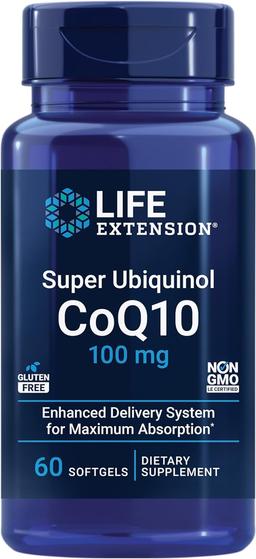
The CoQ10 supplement by Life Extension is a high-quality dietary supplement designed to support cellular energy production and antioxidant protection, utilizing a bioavailable form of Coenzyme Q10.
Strength: 50 mg
Buy now
COQ 10 (as Ubiquinone)
Expert Research
Recommended
Recommended
Antidote is a free resource, supported among other sources by affiliate commissions for purchases made through links on our site. Read full disclaimer
Next Steps
Save this report and share it with your healthcare provider or a family member
Ask our expert AI assistant additional questions related to Carbutamide.