Create an account to receive alerts on new research
SaveShareAsk AI
Amoxapine
Depletes
Prolonged use of Amoxapine can impact 8 essential nutrients.
COQ10
Coenzyme Q10 (CoQ10), also known as ubiquinone, is a vital nutrient found in nearly every cell in the body. CoQ10 plays a key role in cellular energy production, acting within the mitochondria, the powerhouses of our cells. Research suggests a connection between mitochondrial dysfunction and depression, and this dysfunction might even be worsened by some antidepressant medications like amitriptyline. It found that tricyclic amines such as amitriptyline treatment in human cells decreased the levels of CoQ10. Supplementation with COQ10 could help improve overall cellular health and potentially alleviate symptoms associated with mitochondrial dysfunction in depression.
Replace with COQ 10 (as Ubiquinone) (50 mg)
Research: Moreno-Fernández AM, Cordero MD, Garrido-Maraver J, Alcocer-Gómez E, Casas-Barquero N, Carmona-López MI, Sánchez-Alcázar JA,...
Also Benefits From:
Selenium
Selenium is a mineral that has emerged as a potential player in mood regulation. Studies demonstrate a link between lower dietary selenium intake and an increased risk of depression. Researchers propose that selenium's role as an antioxidant and a building block for proteins involved in cellular balance (redox homeostasis) might be a reason for this connection. The antioxidant properties could be particularly relevant because chronic inflammation and oxidative stress are implicated in depression.
Research: Pasco JA, Jacka FN, Williams LJ, Evans-Cleverdon M, Brennan SL, Kotowicz MA, Nicholson GC, Ball MJ, Berk M. Dietary selenium...
Vitamin B12
Vitamin B12, also known as cobalamin, is a crucial nutrient involved in various bodily functions. A deficiency in this nutrient can lead to neurological and psychiatric problems, including depression. Vitamin B12 is involved in the production of neurotransmitters which play a key role in regulating mood, sleep, and motivation. Insufficient levels of B12 can disrupt their production, leading to symptoms of depression like low mood, fatigue, and loss of interest in activities. A severe B12 deficiency can damage the myelin sheath, a protective layer around nerves. This damage can interfere with nerve signals, leading to symptoms like memory problems, anxiety, and depression.
Research: Syed EU, Wasay M, Awan S. Vitamin B12 supplementation in treating major depressive disorder: a randomized controlled trial....
Zinc
Zinc is a mineral that plays a role in the production of neurotransmitters, chemical messengers in the brain that influence mood. Zinc has antioxidant properties that help protect cells from damage caused by free radicals. Chronic inflammation and oxidative stress are implicated in depression, and zinc's antioxidant effects could be beneficial in this regard. Studies have found an inverse association between dietary zinc intake and depression. This means people with lower zinc intake seem to be more likely to experience depression.
Research: Li, Zongyao, et al. Association of total zinc, iron, copper and selenium intakes with depression in the US adults. Journal...
Vitamin K2 (Menaquinone-7)
Research demonstrates that vitamin D3 and K2 can provide greater benefit together. Vitamin D3 and K2 help move calcium into your bones, where it's most beneficial. This prevents calcium buildup in your arteries and blood vessels. Their combined action can boost bone health, promote cardiovascular health, and combat inflammation. Both vitamins show promise in regulating inflammation, a key factor in many health concerns. By collaborating, vitamin D3 and K2 offer a broader spectrum of benefits, potentially protecting against serious illnesses and promoting overall well-being.
Research: Kuang X, Liu C, Guo X, Li K, Deng Q, Li D. The combination effect of vitamin K and vitamin D on human bone quality: a...
Vitamin D3
Vitamin D is a fat-soluble vitamin known for promoting bone health and increasingly recognized for its potential role in various bodily functions. Studies suggest this nutrient may help improve symptoms of depression and anxiety. Research shows that vitamin D supplementation can reverse some of the behavioral changes caused by chronic stress, including anxiety and depression-like behaviors in animal models. This positive effect might be due to vitamin D's ability to reduce inflammation and oxidative stress in the brain, both of which are linked to depression. Additionally, some studies in humans show a connection between low vitamin D levels and depressive symptoms, with supplementation helping improve these symptoms.
Research: Mikola T, et al. The effect of vitamin D supplementation on depressive symptoms in adults: A systematic review and...
Magnesium
Magnesium is a mineral that plays a crucial role in many bodily functions, including muscle and nerve function, blood sugar control, and blood pressure regulation. Research suggests it may also play a part in mood regulation. Studies have found a link between low magnesium intake and depression, particularly in younger adults. Magnesium is involved in various processes that impact mood including neurotransmitter function, stress response, and sleep regulation. Maintaining adequate magnesium levels could be beneficial for mood regulation and reduce the risk of depression.
Research: Jacka FN, Maes M, Pasco JA, Williams LJ, Berk M. Nutrient intakes and the common mental disorders in women. J Affect Disord....
Vitamin B1
Thiamine (vitamin B1), a water-soluble B vitamin essential for energy production and nervous system function, is emerging as a potential player in mood disorders. Beyond its role in energy production, thiamine seems to have a significant impact on the nervous system. Studies suggest it's involved in maintaining healthy neurons, their communication (neurotransmission), and overall nervous system balance (homeostasis). This involvement extends to mood, cognitive function, and even the development of neurodegenerative diseases. Given its crucial role in neurological health and energy production, supplementation is suggested to support mood and protect against depression.
Research: Duc HN, Oh H, Yoon IM, Kim MS. Association between levels of thiamine intake, diabetes, cardiovascular diseases and...
Health Impact
Amoxapine-induced nutrient depletion can lead to a range of health problems
Severe Brain & Muscle Disease
CoQ10 deficiency can present in infancy as a severe encephalomyopathy or multisystemic mitochondrial disease, with features such as hypotonia, developmental delay, intractable seizures, lactic acidosis, cardiomyopathy, and failure to thrive. Reports of infantile‑onset multisystem CoQ10 deficiency describe very early presentations, sometimes in the neonatal period, with rapid neurologic deterioration and involvement of brain, heart, kidney, and liver, and many affected children die in the first months or years of life despite intensive care. The important clinical point is that, although outcomes are often poor in the most severe cases, some infants and young children show neurologic improvement or stabilization when CoQ10 deficiency is recognized early and high‑dose CoQ10 supplementation is started promptly, which is why this diagnosis is considered a treatable cause of infantile encephalomyopathy
Research: Quinzii CM, Hirano M. Coenzyme Q and mitochondrial disease. Dev Disabil Res Rev. 2010;16(2):183-8. Chen RS, Huang CC, Chu...
Kidney Disease & Heart Failure
CoQ10 is a key mitochondrial antioxidant, and circulating levels are often reduced in people with chronic kidney disease and chronic heart failure, where deficiency is linked to greater oxidative stress and poorer organ function. In CKD cohorts, lower CoQ10 levels correlate with increased cardiovascular risk, and supplementation has been reported to improve markers such as proteinuria, mitochondrial function, and oxidative stress, with some studies suggesting better preservation of kidney function over time. In patients with chronic heart failure, trials such as Q-SYMBIO have shown that CoQ10 supplementation can improve cardiac function parameters and significantly reduce major adverse cardiovascular events, cardiovascular mortality, and heart‑failure–related hospitalizations.
Research: Xu Y, Liu J, Han E, Wang Y, Gao J. Efficacy of coenzyme Q10 in patients with chronic kidney disease: protocol for a...
Hard-to-Treat Kidney Damage
CoQ10 deficiency has been identified as a potentially reversible cause of steroid‑resistant nephrotic syndrome and glomerular nephropathy, particularly in children and young adults with genetic defects in CoQ10 biosynthesis. In reported series, affected patients often present with heavy proteinuria and progressive kidney dysfunction that fail to respond to standard steroid therapy, but genetic testing sometimes reveals mutations in CoQ10‑related genes (such as COQ2, COQ6, or ADCK4). The encouraging part is that in a subset of these cases, early and sufficiently dosed CoQ10 supplementation has been associated with reduced proteinuria and stabilization or partial improvement of kidney function, making it an important, treatable consideration in otherwise unexplained steroid‑resistant nephrotic syndrome.
Research: Frehat MQ Sr, Alhadidi A, Almheairat A, Alkhatib L, Al Thaher S, Al Assaf R, Al Qawaqenah M, Mansour B, Khair F. Success of...
Heart Muscle Thickening (HCM)
In some children and young adults, primary CoQ10 deficiency has been linked to hypertrophic cardiomyopathy (HCM), where the heart muscle becomes abnormally thick and stiff despite the absence of more common causes like longstanding hypertension. Case series and reports describe patients with genetically confirmed CoQ10 biosynthetic defects who develop HCM alongside other mitochondrial features such as exercise intolerance, muscle weakness, or neurologic symptoms, and cardiac imaging often shows concentric or asymmetric left ventricular hypertrophy. The hopeful aspect is that early recognition and CoQ10 supplementation have, in some documented cases, led to improved cardiac function or stabilization of wall thickness over time, making CoQ10 deficiency a particularly important and potentially treatable consideration in otherwise unexplained or familial‑appearing HCM.
Research: Adarsh K, Kaur H, Mohan V. Coenzyme Q10 (CoQ10) in isolated diastolic heart failure in hypertrophic cardiomyopathy (HCM)....
Balance & Coordination Problems
CoQ10 deficiency is a recognized cause of progressive cerebellar ataxia with cerebellar atrophy, often beginning in childhood or early adulthood and frequently accompanied by seizures, peripheral neuropathy, and cognitive or psychiatric changes. Case series and larger cohorts show that many patients with primary CoQ10 deficiency have prominent cerebellar atrophy on MRI and mixed neurologic features, and in some reports seizures occurred in roughly one‑third of affected individuals. The hopeful aspect is that, unlike many hereditary ataxias, early and sustained CoQ10 supplementation has led to meaningful improvement or stabilization of gait, strength, and seizure control in a substantial subset of patients, which is why CoQ10 deficiency is emphasized as a treatable cause of cerebellar ataxia that should not be missed.
Research: Lamperti C, Naini A, Hirano M, De Vivo DC, Bertini E, Servidei S, Valeriani M, Lynch D, Banwell B, Berg M, Dubrovsky T,...
Low Cellular Energy & Muscle Weakness
In some adolescents and adults, CoQ10 deficiency presents as an isolated mitochondrial myopathy with exercise intolerance, early fatigue, and proximal muscle weakness rather than a full multisystem syndrome. Muscle biopsies in these patients often show reduced CoQ10 content and ragged‑red fibers or other mitochondrial changes, even when brain, heart, and kidneys appear largely spared on standard evaluation. The encouraging piece is that many individuals with CoQ10‑deficient myopathy experience noticeable improvements in exercise capacity, muscle strength, and CK levels after several months of adequately dosed CoQ10 supplementation, highlighting the importance of recognizing this treatable cause of mitochondrial muscle disease early.
Research: Lalani SR, Vladutiu GD, Plunkett K, Lotze TE, Adesina AM, Scaglia F. Isolated Mitochondrial Myopathy Associated With Muscle...
Gum Disease Risk
In the gums and supporting tissues around the teeth, low CoQ10 levels have been linked to worse periodontal inflammation and deeper pocketing, likely because CoQ10 is essential for local mitochondrial energy production and antioxidant defense. Small human studies have found that people with periodontitis often have reduced CoQ10 in gingival tissue or crevicular fluid, and that topical or oral CoQ10 used alongside standard scaling and root planing can modestly improve measures such as bleeding on probing and pocket depth. The practical implication is that maintaining adequate CoQ10 status may help support healthier periodontal tissues and could be a useful adjunctive strategy, particularly in individuals with chronic gum disease or high oxidative stress in the oral cavity.
Research: Prakash S, Sunitha J, Hans M. Role of coenzyme Q(10) as an antioxidant and bioenergizer in periodontal diseases. Indian J...
Side Effects
Common side effects of Amoxapine, some of which may be related to nutrient depletion
Review
Common side effects of Amoxapine may include:
- Drowsiness
- Dizziness
- Dry mouth
- Constipation
- Blurred vision
- Increased sweating
- Weight gain
- Sexual dysfunction
Less common side effects may include:
- Confusion
- Restlessness
- Tremors
- Seizures
- Irregular heartbeat
- Low blood pressure
- Difficulty urinating
- Liver problems
It is important to contact a healthcare provider if any of these side effects become severe or persistent. Additionally, some individuals may experience allergic reactions to Amoxapine, such as rash, itching, swelling, or difficulty breathing, which require immediate medical attention.
- Drowsiness
- Dizziness
- Dry mouth
- Constipation
- Blurred vision
- Increased sweating
- Weight gain
- Sexual dysfunction
Less common side effects may include:
- Confusion
- Restlessness
- Tremors
- Seizures
- Irregular heartbeat
- Low blood pressure
- Difficulty urinating
- Liver problems
It is important to contact a healthcare provider if any of these side effects become severe or persistent. Additionally, some individuals may experience allergic reactions to Amoxapine, such as rash, itching, swelling, or difficulty breathing, which require immediate medical attention.
Get Support
We've developed a formula to replenish the nutrients depleted by Amoxapine.

Shop Third-Party Supplements

COQ 10 (as Ubiquinone)
by Life Extension
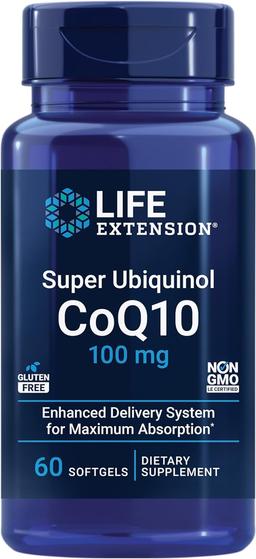
The CoQ10 supplement by Life Extension is a high-quality dietary supplement designed to support cellular energy production and antioxidant protection, utilizing a bioavailable form of Coenzyme Q10.
Strength: 50 mg
Buy now
COQ 10 (as Ubiquinone)
Expert Research
Recommended
Recommended
Antidote is a free resource, supported among other sources by affiliate commissions for purchases made through links on our site. Read full disclaimer
Next Steps
Save this report and share it with your healthcare provider or a family member
Ask our expert AI assistant additional questions related to Amoxapine.