Create an account to receive alerts on new research
SaveShareAsk AI
Amiloride
Depletes
Prolonged use of Amiloride can impact 7 essential nutrients.
Folic Acid
Studies indicate that diuretics including potassium-sparing, can act as folate antagonists, potentially leading to a deficiency. This occurs because some diuretics inhibit the enzyme responsible for utilizing folate (folic acid) in the body. Research suggests a link between long-term diuretic use (over six months) and decreased blood folate levels while also showing a significant increase in damaging homocysteine levels. Folate supplementation during potassium-sparing diuretic therapy should therefore be considered.
Replace with Folate (.2mg as L-5-Methylfolate) (0.34 DFE)
Research: Maron BA, Loscalzo J. Homocysteine. Clin Lab Med. 2006 Sep;26(3):591-609, vi. doi: 10.1016/j.cll.2006.06.008. PMID:...
Also Benefits From:
Grape Seed Extract
Grape Seed Extracts (GSE) are rich in polyphenols, specifically proanthocyanadins, that provide benefits to the cardiovascular system especially in area of inflammation, hypertension and cardiovascular disease. Studies suggest that the consumption of GSE that is rich in proanthocyanadins, helps protect against myocardial injury, helps lower blood pressure, reduce inflammation, decrease the size of carotid plaque and inhibiting dangerous platelet adhesions and aggregation thereby reducing cardiovascular mortality.
Research: Schön C, Allegrini P, Engelhart-Jentzsch K, Riva A, Petrangolini G. Grape Seed Extract Positively Modulates Blood Pressure...
Taurine
Beyond its general health benefits, Taurine shines for its potential to support a healthy heart and blood pressure. This amino acid boasts anti-inflammatory and antioxidant properties, which may help protect against hypertension. Studies suggest it can modulate blood sugar levels, potentially reducing the risk of diabetes and its complications like heart disease. Taurine's overall impact on the cardiovascular system is promising, with some evidence indicating it may be essential for proper heart function and development.
Research: Ahmadian M, Dabidi Roshan V, Ashourpore E. Taurine Supplementation Improves Functional Capacity, Myocardial Oxygen...
Vitamin C
Vitamin C (Ascorbic acid) goes beyond just immune system support. This powerful antioxidant combats free radicals and oxidative stress, potentially reducing the risk of various diseases. While most recognized for its role in white blood cell production, research suggests Vitamin C may also benefit heart health and blood pressure. It might help protect against damage caused by free radicals in blood vessels, potentially lowering the risk of cardiovascular disease. Additionally, studies indicate Vitamin C may play a role in lowering blood pressure
Research: Guan Y, Dai P, Wang H. Effects of vitamin C supplementation on essential hypertension: A systematic review and...
Niacin
Niacin, a form of vitamin B3, offers a potential double benefit for heart health. It can help lower LDL ("bad") cholesterol and triglycerides, while also raising HDL ("good") cholesterol. This favorable cholesterol profile can reduce the risk of heart disease. But niacin's benefits might extend beyond cholesterol. Some studies suggest it may also play a role in lowering blood pressure. Niacin seems to work by causing blood vessels to relax and dilate, which could improve blood flow and potentially reduce strain on the heart, thereby lowering blood pressure.
Research: Digby JE, Ruparelia N, Choudhury RP. Niacin in cardiovascular disease: recent preclinical and clinical developments....
Vitamin B12
Vitamin B12 plays a crucial role in cardiovascular health by regulating homocysteine levels. Homocysteine is an amino acid, and high levels in the blood are a risk factor for heart attack and stroke. Vitamin B12 acts as a key player in the homocysteine metabolism process, helping to convert it into other beneficial compounds. By keeping homocysteine in check, Vitamin B12 may help reduce the risk of cardiovascular problems.
Research: Celik SF, Celik E. Subclinical atherosclerosis and impaired cardiac autonomic control in pediatric patients with Vitamin B12...
Vitamin B6
Vitamin B6, a crucial B vitamin, plays a significant role in heart health. It helps regulate homocysteine levels in the blood. High homocysteine is a risk factor for atherosclerosis, the buildup of plaque in arteries that can lead to heart disease. By keeping homocysteine in check, Vitamin B6 may help lower the risk of heart problems. Additionally, some research suggests Vitamin B6 may also play a role in managing hypertension (high blood pressure). While the exact mechanism isn't fully understood, Vitamin B6 deficiency has been linked to an increased risk of hypertension.
Research: Stach K, Stach W, Augoff K. Vitamin B6 in Health and Disease. Nutrients. 2021 Sep 17;13(9):3229. Yuan S, Mason AM, Carter P,...
Health Impact
Amiloride-induced nutrient depletion can lead to a range of health problems
Stroke & Heart Disease Risk
Low folate status contributes to elevated homocysteine, a metabolite that has been associated with endothelial dysfunction, arterial stiffness, and a higher risk of stroke and coronary heart disease. Large observational studies consistently show that individuals with higher homocysteine levels have greater rates of cardiovascular events, and folate intake is one of the key nutritional determinants of homocysteine. Clinically, folic acid supplementation (often combined with vitamins B6 and B12) can lower homocysteine and appears to modestly reduce stroke risk in some populations, making the identification and correction of folate deficiency an important part of broader cardiovascular risk reduction.
Research: Yanping Li, et al. Folic Acid Supplementation and the Risk of Cardiovascular Diseases: A Meta‐Analysis of Randomized...
Birth Defects During Pregnancy
Folate deficiency in the periconceptional period significantly increases the risk of neural tube defects (NTDs) such as spina bifida and anencephaly, because adequate folate is required for proper closure of the embryonic neural tube in the first month of pregnancy. Large observational datasets and randomized trials have shown that appropriate folic acid supplementation before conception and in early pregnancy can reduce NTD risk by roughly 50–70% in the general population, with even greater risk reduction in women with a prior NTD‑affected pregnancy. The practical implication is that all women of childbearing potential, not just those actively planning pregnancy, are typically advised to maintain adequate daily folic acid intake so that red‑cell folate stores are sufficient well before conception occurs.
Research: Viswanathan M, Urrutia RP, Hudson KN, Middleton JC, Kahwati LC. Folic Acid Supplementation to Prevent Neural Tube Defects:...
Memory Loss & Mental Decline
In older adults, low folate status has been associated with a higher risk of mild cognitive impairment (MCI) and faster cognitive decline over time, likely through effects on one‑carbon metabolism and homocysteine. Several longitudinal cohort studies have found that individuals with lower serum or red‑cell folate and higher homocysteine show steeper declines on memory and global cognition tests, and in some cohorts have a significantly higher incidence of MCI or dementia over follow‑up. The clinically important takeaway is that, when folate deficiency is detected and corrected (usually along with ensuring adequate vitamin B12), some patients demonstrate stabilization or modest improvement in cognitive performance, particularly when interventions are combined with aggressive management of vascular risk factors such as hypertension and diabetes.
Research: Ma, F., Wu, T., Zhao, J. et al. Folic acid supplementation improves cognitive function by reducing the levels of peripheral...
Brain Fog & Neurological Effects
In some adults, chronic folate deficiency has been linked to neurological manifestations such as peripheral neuropathy, gait disturbance, and subtle to more overt cognitive impairment, especially in older age. Cohort studies have reported that low serum or red cell folate, and elevated homocysteine, correlate with worse performance on memory and executive‑function tests, and may be associated with increased risk of vascular dementia. The encouraging aspect is that, when folate deficiency is identified early and corrected alongside vitamin B12 when needed, some patients experience improvement in neuropathic symptoms and stabilization or modest gains in cognitive performance, particularly when other vascular risk factors are also addressed.
Research: Boumenna T, Scott TM, Lee JS, Palacios N, Tucker KL. Folate, vitamin B-12, and cognitive function in the Boston Puerto Rican...
Other Pregnancy Complications
In pregnancy, inadequate folate status not only increases neural tube defect risk but is also associated with maternal megaloblastic anemia, which can worsen fatigue, reduce exercise tolerance, and increase the likelihood of transfusion around delivery. Observational studies have linked low folate and elevated homocysteine with a higher risk of miscarriage, placental complications, and low birth weight, and some data suggest that suboptimal folate status may contribute to certain infertility contexts, particularly when combined with other nutritional or metabolic stressors. The clinical takeaway is that maintaining sufficient folate intake before conception and throughout pregnancy is a key strategy to reduce anemia and support healthier fertility and pregnancy outcomes beyond neural tube defect prevention.
Research: Murto, T. et al. Folic acid supplementation and IVF pregnancy outcome in women with unexplained infertility. Dey M, Dhume P,...
Depression & Mood Changes
Folate deficiency has been associated with a higher risk of depressive symptoms, irritability, and other mood disturbances, likely through its role in one‑carbon metabolism, monoamine neurotransmitter synthesis, and methylation processes in the brain. Clinical and epidemiologic studies have found that people with low folate or elevated homocysteine are more likely to experience major depression, and lower folate status has been linked to poorer response to certain antidepressant medications. The encouraging clinical point is that, in folate‑deficient individuals, correcting folate status (often with folic acid or methylfolate, and alongside vitamin B12 when indicated) may improve mood symptoms and, in some cases, enhance antidepressant treatment response, especially when combined with comprehensive psychiatric and lifestyle interventions.
Research: David Mischoulon, Maurizio Fava. Folate in Depression: Efficacy, Safety, Differences in Formulations, and Clinical Issues....
Anemia & Fatigue
Folate (folic acid) deficiency impairs DNA synthesis in rapidly dividing cells, which leads to megaloblastic anemia characterized by enlarged red blood cells, fatigue, pallor, and sometimes shortness of breath. Population studies have shown that folate deficiency and macrocytosis can be present for months before overt symptoms appear, and in some cohorts, up to roughly one quarter of anemic adults had an underlying folate or B12 deficiency rather than iron deficiency alone. The encouraging clinical point is that, once identified, folate‑responsive megaloblastic anemia often improves within weeks of adequate folic acid repletion, with reticulocyte counts rising in about 5–7 days and hemoglobin recovering more gradually over several weeks.
Research: Koury MJ, Price JO, Hicks GG. Apoptosis in megaloblastic anemia occurs during DNA synthesis by a p53-independent,...
Side Effects
Common side effects of Amiloride, some of which may be related to nutrient depletion
Review
Like all medications, amiloride can also cause side effects. Some common side effects of amiloride include:
1. Dizziness or lightheadedness
2. Nausea or vomiting
3. Muscle cramps or weakness
4. Increased urination
5. Headache
6. Fatigue or weakness
7. Blurred vision
8. Rash or itching
These side effects are generally mild and may go away on their own as your body adjusts to the medication. However, if you experience any severe or persistent side effects, you should contact your healthcare provider immediately. Additionally, amiloride may also interact with other medications, so it is important to inform your doctor about all the medications you are taking before starting treatment with amiloride.
1. Dizziness or lightheadedness
2. Nausea or vomiting
3. Muscle cramps or weakness
4. Increased urination
5. Headache
6. Fatigue or weakness
7. Blurred vision
8. Rash or itching
These side effects are generally mild and may go away on their own as your body adjusts to the medication. However, if you experience any severe or persistent side effects, you should contact your healthcare provider immediately. Additionally, amiloride may also interact with other medications, so it is important to inform your doctor about all the medications you are taking before starting treatment with amiloride.
Get Support
We've developed a formula to replenish the nutrients depleted by Amiloride.

Shop Third-Party Supplements

Folate
by Pure Encapsulations
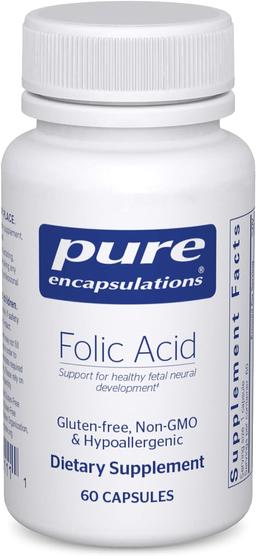
Pure Encapsulations' Folic Acid supplement provides a high-quality, bioavailable form of folic acid to support healthy fetal development, cardiovascular health, and overall cellular function.
Strength: 800 mcg
Buy now
Folate
Expert Research
Recommended
Recommended
Antidote is a free resource, supported among other sources by affiliate commissions for purchases made through links on our site. Read full disclaimer
Next Steps
Save this report and share it with your healthcare provider or a family member
Ask our expert AI assistant additional questions related to Amiloride.