Create an account to receive alerts on new research
SaveShareAsk AI
Actoplus Met
Depletes
Prolonged use of Actoplus Met can impact 8 essential nutrients.
CoQ10
Biguanide (anti-diabetic) drugs have been found in scientific evidence to decrease serum levels of coenzyme Q10. Type 2 diabetes can increase oxidative stress in the body, weakening its defenses and potentially harming cells. CoQ10, a powerful antioxidant, plays a crucial role in protecting cells from this damage. CoQ10 supplementation may help restore these levels, potentially improving mitochondrial function and protecting the kidneys from damage.
Replace with Ubiquinol/Ubiquinone (50mg of each)
Research: Sourris KC, Harcourt BE, Tang PH, Morley AL, Huynh K, Penfold SA, Coughlan MT, Cooper ME, Nguyen TV, Ritchie RH, Forbes JM....
Folic Acid
Research has shown that anti-diabetic Biguanide drugs may reduce folic acid absorption. Folic acid is a powerful antioxidant and low levels make the body more susceptible to oxidative stress, which can damage enzymes involved in homocysteine metabolism, and subsequently increase its accumulation. Elevated levels of homocysteine (hyperhomocysteinemia) are a risk factor for various health problems including cardiovascular diseases, neurological problems, osteoporosis, and vision problems.
Replace with Folate L-5-Methyltetrahydrofolate Calcium (200 mcg)
Research: Aarsand AK, Carlsen SM. Folate administration reduces circulating homocysteine levels in NIDDM patients on long term...
Thiamine Vitamin B1
Biguanides, such as Metformin or Metformin combinations with other drugs, may contribute to reduced levels of thiamine (vitamin B1) in end-stage renal failure patients. Research has found metformin encephalopathy present in patients on hemodialysis for end-stage diabetic renal failure (ESRD). Patients with ESRD should consider having thiamine (vitamin B1) status monitored and supplementing with thiamine when levels are insufficient or deficient.
Replace with Thiamine Vitamin B1 (10mg)
Research: Meyer MJ, et al. Differences in Metformin and Thiamine Uptake between Human and Mouse Organic Cation Transporter 1:...
Vitamin B12
Long term treatment with Biguanides, such as Metformin or Metformin combinations with other drugs, are found in research to reduce vitamin B12 absorption due to it hindering the activity of a calcium-dependent mechanism. Insufficient levels of vitamin B12 can lead to higher circulating homocysteine levels and the elevated risk of neurological problems and cardiovascular diseases.
Replace with Vitamin B12 (Methylcobalamin) (100mcg)
Research: Pongchaidecha M, Srikusalanukul V, Chattananon A, Tanjariyaporn S. Effect of metformin on plasma homocysteine, vitamin B12...
Also Benefits From:
Taurine
Taurine is shown to be beneficial in supporting diabetes management. Studies suggest that taurine supplementation might contribute to improved blood sugar control by lowering HBA1c, a long-term marker, and fasting blood sugar levels in diabetic patients. Additionally, it may enhance insulin sensitivity, allowing cells to utilize glucose more effectively. Taurine's antioxidant and anti-inflammatory properties are also beneficial for mitigating oxidative stress and inflammation, which can contribute to diabetic complications like nerve damage and vision problems.
Research: Esmaeili F, Maleki V, Kheirouri S, Alizadeh M. The Effects of Taurine Supplementation on Metabolic Profiles, Pentosidine,...
Chromium Polynicotinate
Chromium Polynicotinate shows benefits for managing glucose control. Some studies suggest it may improve the body's sensitivity to insulin, a key hormone regulating blood sugar, potentially leading to better glucose absorption by cells. Additionally, certain studies have observed modest reductions in blood sugar levels in individuals with type 2 diabetes or prediabetes after supplementation.
Research: Sharma S, Agrawal RP, Choudhary M, Jain S, Goyal S, Agarwal V. Beneficial effect of chromium supplementation on glucose,...
Gymnema sylvestre
Gymnema sylvestre is found to help support diabetes management. The plant boasts gymnemic acids, which may temporarily block sugar receptors on taste buds, leading to reduced cravings and potentially lower sugar intake. Additionally, some studies suggest Gymnema may lower blood sugar levels in individuals with type 2 diabetes. Moreover, Gymnema may help stimulate the pancreas to produce more insulin, potentially aiding blood sugar regulation.
Research: Devangan S, Varghese B, Johny E, Gurram S, Adela R. The effect of Gymnema sylvestre supplementation on glycemic control in...
Alpha Lipoic Acid
Alpha Lipoic Acid (ALA) displays several benefits that may be supportive in managing type 2 diabetes. Studies suggest ALA may offer improvements in blood sugar control, potentially by enhancing the body's sensitivity to insulin. Additionally, its antioxidant and anti-inflammatory properties may help combat oxidative stress associated with type 2 diabetes and its complications, potentially offering benefits for diabetic nerve problems.
Research: Ayman M Elbadawy, Rasha O. Abd Elmoniem & Amira M. Elsayed. (2021) Alpha lipoic acid and diabetes mellitus: potential...
Health Impact
Actoplus Met-induced nutrient depletion can lead to a range of health problems
Stroke & Heart Disease Risk
Low folate status contributes to elevated homocysteine, a metabolite that has been associated with endothelial dysfunction, arterial stiffness, and a higher risk of stroke and coronary heart disease. Large observational studies consistently show that individuals with higher homocysteine levels have greater rates of cardiovascular events, and folate intake is one of the key nutritional determinants of homocysteine. Clinically, folic acid supplementation (often combined with vitamins B6 and B12) can lower homocysteine and appears to modestly reduce stroke risk in some populations, making the identification and correction of folate deficiency an important part of broader cardiovascular risk reduction.
Research: Yanping Li, et al. Folic Acid Supplementation and the Risk of Cardiovascular Diseases: A Meta‐Analysis of Randomized...
Severe Brain & Muscle Disease
CoQ10 deficiency can present in infancy as a severe encephalomyopathy or multisystemic mitochondrial disease, with features such as hypotonia, developmental delay, intractable seizures, lactic acidosis, cardiomyopathy, and failure to thrive. Reports of infantile‑onset multisystem CoQ10 deficiency describe very early presentations, sometimes in the neonatal period, with rapid neurologic deterioration and involvement of brain, heart, kidney, and liver, and many affected children die in the first months or years of life despite intensive care. The important clinical point is that, although outcomes are often poor in the most severe cases, some infants and young children show neurologic improvement or stabilization when CoQ10 deficiency is recognized early and high‑dose CoQ10 supplementation is started promptly, which is why this diagnosis is considered a treatable cause of infantile encephalomyopathy
Research: Quinzii CM, Hirano M. Coenzyme Q and mitochondrial disease. Dev Disabil Res Rev. 2010;16(2):183-8. Chen RS, Huang CC, Chu...
Kidney Disease & Heart Failure
CoQ10 is a key mitochondrial antioxidant, and circulating levels are often reduced in people with chronic kidney disease and chronic heart failure, where deficiency is linked to greater oxidative stress and poorer organ function. In CKD cohorts, lower CoQ10 levels correlate with increased cardiovascular risk, and supplementation has been reported to improve markers such as proteinuria, mitochondrial function, and oxidative stress, with some studies suggesting better preservation of kidney function over time. In patients with chronic heart failure, trials such as Q-SYMBIO have shown that CoQ10 supplementation can improve cardiac function parameters and significantly reduce major adverse cardiovascular events, cardiovascular mortality, and heart‑failure–related hospitalizations.
Research: Xu Y, Liu J, Han E, Wang Y, Gao J. Efficacy of coenzyme Q10 in patients with chronic kidney disease: protocol for a...
Birth Defects During Pregnancy
Folate deficiency in the periconceptional period significantly increases the risk of neural tube defects (NTDs) such as spina bifida and anencephaly, because adequate folate is required for proper closure of the embryonic neural tube in the first month of pregnancy. Large observational datasets and randomized trials have shown that appropriate folic acid supplementation before conception and in early pregnancy can reduce NTD risk by roughly 50–70% in the general population, with even greater risk reduction in women with a prior NTD‑affected pregnancy. The practical implication is that all women of childbearing potential, not just those actively planning pregnancy, are typically advised to maintain adequate daily folic acid intake so that red‑cell folate stores are sufficient well before conception occurs.
Research: Viswanathan M, Urrutia RP, Hudson KN, Middleton JC, Kahwati LC. Folic Acid Supplementation to Prevent Neural Tube Defects:...
Memory Loss & Dementia
Vitamin B12 deficiency is strongly associated with cognitive impairment, including problems with memory, attention, and executive function, and is considered a reversible cause of dementia when caught early. Low or borderline B12 levels are more common in older adults, particularly those with atrophic gastritis, long-term use of acid-suppressing medications, or vegetarian/vegan diets, and studies show that deficient individuals often perform worse on cognitive tests than those with adequate status. Clinically, correcting B12 deficiency can lead to measurable improvements in cognition and mood in some patients, which is why B12 levels are routinely checked in the evaluation of cognitive decline and suspected dementia.
Research: Jatoi S, Hafeez A, Riaz SU, Ali A, Ghauri MI, Zehra M. Low Vitamin B12 Levels: An Underestimated Cause Of Minimal Cognitive...
Hard-to-Treat Kidney Damage
CoQ10 deficiency has been identified as a potentially reversible cause of steroid‑resistant nephrotic syndrome and glomerular nephropathy, particularly in children and young adults with genetic defects in CoQ10 biosynthesis. In reported series, affected patients often present with heavy proteinuria and progressive kidney dysfunction that fail to respond to standard steroid therapy, but genetic testing sometimes reveals mutations in CoQ10‑related genes (such as COQ2, COQ6, or ADCK4). The encouraging part is that in a subset of these cases, early and sufficiently dosed CoQ10 supplementation has been associated with reduced proteinuria and stabilization or partial improvement of kidney function, making it an important, treatable consideration in otherwise unexplained steroid‑resistant nephrotic syndrome.
Research: Frehat MQ Sr, Alhadidi A, Almheairat A, Alkhatib L, Al Thaher S, Al Assaf R, Al Qawaqenah M, Mansour B, Khair F. Success of...
Heart Muscle Thickening (HCM)
In some children and young adults, primary CoQ10 deficiency has been linked to hypertrophic cardiomyopathy (HCM), where the heart muscle becomes abnormally thick and stiff despite the absence of more common causes like longstanding hypertension. Case series and reports describe patients with genetically confirmed CoQ10 biosynthetic defects who develop HCM alongside other mitochondrial features such as exercise intolerance, muscle weakness, or neurologic symptoms, and cardiac imaging often shows concentric or asymmetric left ventricular hypertrophy. The hopeful aspect is that early recognition and CoQ10 supplementation have, in some documented cases, led to improved cardiac function or stabilization of wall thickness over time, making CoQ10 deficiency a particularly important and potentially treatable consideration in otherwise unexplained or familial‑appearing HCM.
Research: Adarsh K, Kaur H, Mohan V. Coenzyme Q10 (CoQ10) in isolated diastolic heart failure in hypertrophic cardiomyopathy (HCM)....
Side Effects
Common side effects of Actoplus Met, some of which may be related to nutrient depletion
Review
Common side effects of Actoplus Met (metformin and pioglitazone) may include:
1. Nausea or stomach upset
2. Diarrhea
3. Headache
4. Weight gain
5. Dizziness
6. Muscle pain
7. Cold-like symptoms
8. Back pain
9. Swelling or fluid retention
10. Constipation
Rare but serious side effects may include:
1. Lactic acidosis (a buildup of lactic acid in the blood)
2. Hypoglycemia (low blood sugar)
3. Liver problems
4. Heart failure
5. Bone fractures
It is important to consult a healthcare provider if you experience any of these side effects while taking Actoplus Met.
1. Nausea or stomach upset
2. Diarrhea
3. Headache
4. Weight gain
5. Dizziness
6. Muscle pain
7. Cold-like symptoms
8. Back pain
9. Swelling or fluid retention
10. Constipation
Rare but serious side effects may include:
1. Lactic acidosis (a buildup of lactic acid in the blood)
2. Hypoglycemia (low blood sugar)
3. Liver problems
4. Heart failure
5. Bone fractures
It is important to consult a healthcare provider if you experience any of these side effects while taking Actoplus Met.
Get Support
We've developed a formula to replenish the nutrients depleted by Actoplus Met.

Shop Third-Party Supplements

Folate
by Pure Encapsulations
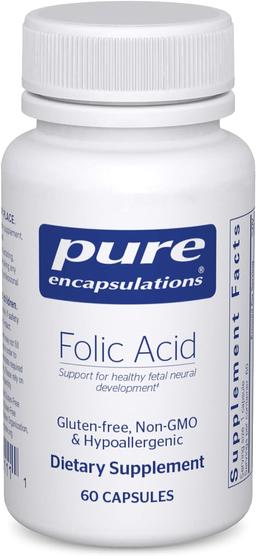
Pure Encapsulations' Folic Acid supplement provides a high-quality, bioavailable form of folic acid to support healthy fetal development, cardiovascular health, and overall cellular function.
Strength: 800 mcg
Buy now
Folate
Expert Research
Recommended
Recommended

COQ 10 (as Ubiquinone)
by Life Extension
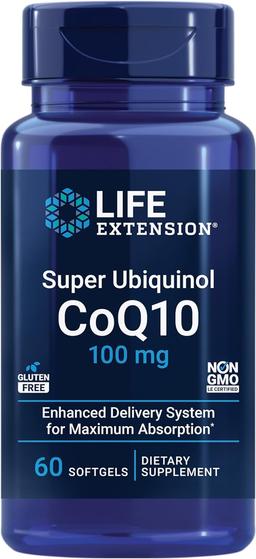
The CoQ10 supplement by Life Extension is a high-quality dietary supplement designed to support cellular energy production and antioxidant protection, utilizing a bioavailable form of Coenzyme Q10.
Strength: 50 mg
Buy now
COQ 10 (as Ubiquinone)
Expert Research
Recommended
Recommended
Vitamin B12 Methylcobalamin
by Pure Encapsulations
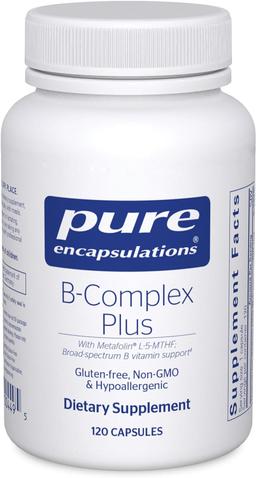
Pure Encapsulations' Vitamin B12 supplement provides a high-quality, bioavailable form of vitamin B12 to support energy production, neurological function, and overall health.
Strength: 0.2 mg
Buy now
Vitamin B12 Methylcobalamin
Expert Research
Recommended
Recommended
Antidote is a free resource, supported among other sources by affiliate commissions for purchases made through links on our site. Read full disclaimer
Next Steps
Save this report and share it with your healthcare provider or a family member
Ask our expert AI assistant additional questions related to Actoplus Met.